
In an increasingly interconnected world, the concept of nationality is evolving beyond the traditional boundaries of a single homeland. Multi nationality-holding citizenship in two or more countries-is becoming a more common phenomenon, reflecting the fluidity of modern identity and the complexity of global mobility. But what does it truly mean to be a citizen of multiple nations? Beyond the legal definitions lie a blend of unique opportunities, challenges, and responsibilities that shape individual lives in profound ways. This article delves into the essence of multi nationality, exploring its benefits and offering practical guidance on how to navigate the intricate landscape of dual or multiple citizenship. Whether you are considering this path yourself or simply curious about its implications, understanding multi nationality is essential in today’s globalized society.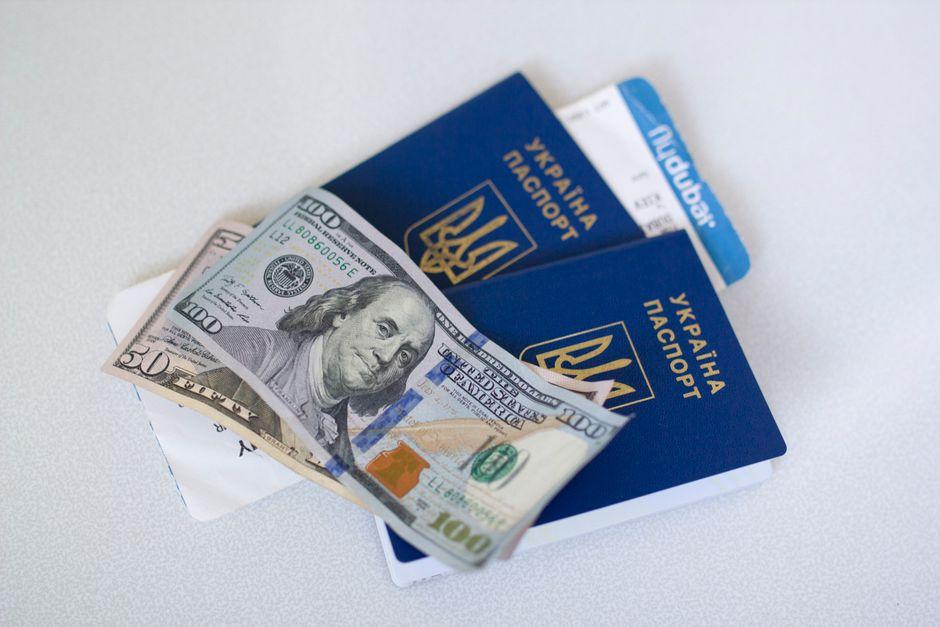
Exploring the Concept of Multiple Citizenship and Its Global Significance
Multiple citizenship refers to the legal status in which an individual is recognized as a citizen by more than one country simultaneously. Unlike dual citizenship, which specifically involves two nations, multiple citizenship extends this status to three or more. This concept has grown increasingly relevant in our interconnected world, where globalization, migration, and international marriage often create citizens with complex national affiliations. Countries vary widely in their policies; some readily permit multiple citizenships, while others impose restrictions or require renunciation of prior citizenships. Understanding these legal frameworks is crucial for anyone considering or navigating multiple citizenship to avoid conflicts such as loss of citizenship or unexpected legal duties.
The benefits of multiple citizenship go beyond simple legal recognition in several states. Holders often gain enhanced travel freedom with access to multiple passports, the right to work, study, or own property in multiple countries, and the ability to engage more fully in political and economic life across borders. However, multiple citizenship also presents challenges-tax obligations may multiply, military service requirements can overlap, and navigating the different legal systems often demands careful attention. A practical approach involves:
- Thoroughly researching the citizenship laws of each relevant country before applying.
- Consulting with immigration and tax professionals to understand responsibilities and benefits.
- Being mindful of potential conflicts such as extradition laws and diplomatic protections.
| Aspect | Advantages | Potential Challenges |
|---|---|---|
| Travel | Access to multiple passports offering visa-free travel | Managing visa and entry/exit requirements across countries |
| Legal Rights | Right to live, work, and access social services in multiple nations | Potential conflicts in laws, military obligations, or civic duties |
| Economic | Ability to invest or own property internationally | Complex tax filing and possible double taxation |
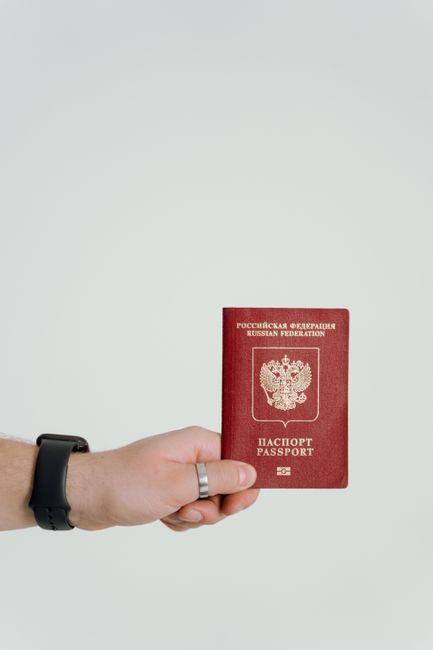
Advantages and Challenges of Holding Nationalities from Different Countries
Holding nationalities from different countries-commonly known as dual or multiple citizenship-offers a range of advantages that go beyond basic legal recognition. It often grants individuals enhanced freedom of movement, allowing easier travel with multiple passports and reduced visa restrictions. Citizens with multiple nationalities can also benefit from expanded access to social services, education, healthcare, and employment opportunities in each country of citizenship. Moreover, it can provide a safeguard against political or economic instability by allowing a fallback option to live and work in another country. For many, this status also deepens cultural ties and creates a stronger global identity, which can be particularly valuable in an increasingly interconnected world. Financially, multiple citizenships can facilitate easier international business operations and investment opportunities, sometimes including favorable tax treatments depending on the countries involved.
However, holding multiple nationalities comes with notable challenges that should be carefully considered. One of the primary complications is legal: dual citizens may be subject to the laws, taxes, and civic obligations-such as military service-of more than one country, which can create conflicting duties or unexpected liabilities. Certain countries do not recognize multiple citizenships and could require you to renounce other nationalities to maintain yours, limiting flexibility. Additionally, navigating bureaucratic procedures and residency requirements can be complex and time-consuming. There can be social and diplomatic risks too, such as potential difficulties in diplomatic protection abroad. The table below summarizes core advantages and challenges to help clarify this balance:
| Advantages | Challenges |
|---|---|
| Visa-free or easier travel | Complex tax obligations |
| Access to multiple social and healthcare systems | Potential military service requirements |
| Broader employment and education opportunities | Legal conflicts between countries |
| Increased global mobility and cultural integration | Possible diplomatic protection limitations |
Common Misunderstandings About Dual Citizenship Clarified
Dual citizenship is often clouded by myths and misconceptions that can confuse those exploring the possibility of holding multiple nationalities. One common misunderstanding is that acquiring a second passport automatically means renouncing the first. In reality, many countries permit dual or even multiple citizenships without requiring you to give up your original nationality. However, it’s essential to verify each country’s specific laws, as regulations vary widely. Another frequent concern is that dual citizenship results in double taxation. While this can happen, many nations have tax treaties or exemptions to prevent citizens from being taxed twice on the same income. Holding dual citizenship does not mean you must serve in two militaries either; many countries allow exemptions or offer alternative service options depending on your circumstances.
People also worry that dual nationality complicates legal rights or travel freedom. While it can introduce additional paperwork, it often enhances your global mobility due to access to more visas and consular protections. Nevertheless, some travellers find that dual citizenship might require conflicting obligations, like mandatory reporting to multiple governments or restrictions when entering certain countries due to diplomatic tensions. Here is a concise comparison of common pros and cons to clarify these points:
| Aspect | Common Misunderstanding | Reality |
|---|---|---|
| Loss of Original Citizenship | Must renounce original citizenship upon acquiring another. | Many countries allow dual citizenship without renunciation. |
| Tax Obligations | Always subject to double taxation. | Tax treaties often prevent double taxation. |
| Military Service | Required to serve in both countries’ militaries. | Exemptions or alternatives usually available. |
| Travel Freedom | Complicates travel with restricted entry. | Generally increases travel options and consular support. |
Choosing the Right Approach to Embracing Multiple Nationalities
When , it’s essential to first understand your personal goals and the legal frameworks involved. Dual or multiple citizenship can offer distinct advantages such as greater travel freedom, access to social services, and new business opportunities. However, not all countries recognize or permit multiple citizenships, which can lead to complicated legal obligations like dual taxation or mandatory military service. Carefully researching each country’s stance on multi nationality, residency requirements, and citizenship renunciation policies helps you avoid potential pitfalls. Consulting with immigration specialists or legal advisors can clarify complex areas such as inheritance laws or voting rights, which often vary significantly between nations.
To navigate these challenges effectively, weigh the pros and cons in relation to your lifestyle, career, and family plans. Consider the following key factors:
- Legal restrictions: Which countries allow multiple citizenships without forfeiture?
- Tax implications: Will you be subject to taxation in more than one jurisdiction?
- Travel benefits: How does each nationality affect visa-free access globally?
- Cultural integration: Are you prepared for potential cultural or language barriers?
- Long-term commitments: What are the residence or civic responsibilities linked to each citizenship?
| Approach | Advantages | Challenges |
|---|---|---|
| Naturalization in multiple countries | Strong legal ties, full rights as citizen | Lengthy processes, potential renunciation issues |
| Inheritance or marriage-based citizenship | Simplified qualification, family unity | Dependent on personal circumstances, bureaucratic delays |
| Investment or citizenship-by-economic programs | Fast-track citizenship, business advantages | High financial cost, varying acceptance |
Ultimately, selecting the right strategy requires a balanced understanding of the legal landscape, personal circumstances, and long-term benefits. Embracing multiple nationalities is not merely a legal status but a lifestyle choice that can enrich your global identity-if approached with informed foresight and preparation.
Practical Tips for Managing Legal and Cultural Complexities of Multiple Citizenship
Managing the legal and cultural complexities of multiple citizenship requires proactive planning and informed decision-making. First, always stay updated on the nationality laws of each country involved-as these can affect your rights, tax obligations, and military service requirements. For example, some countries impose exit taxes or require citizens to repay social benefits, while others may not recognize dual citizenship at all. To avoid unexpected legal challenges, consider consulting an immigration lawyer or a dual citizenship specialist who can clarify your situation and guide you on compliance. Additionally, keep detailed records of your citizenship documents, residency permits, and any communications with the authorities to ensure smooth interactions with government agencies.
On the cultural front, embracing multiple citizenship often means navigating different social norms, languages, and legal expectations simultaneously. Practical tips include:
- Cultivate Cultural Awareness: Engage with communities from each country to deepen your understanding and avoid misunderstandings.
- Manage Identity Flexibly: Recognize that your sense of belonging may shift depending on context, and be open to blending identities rather than feeling forced to choose one.
- Balance Obligations: Track important deadlines such as tax filings, renewals of citizenship documentation, or voting obligations in all your countries.
- Plan Long-Term Residency: Assess visa and residency rules carefully if you intend to live or work in one country more than others.
| Aspect | Consideration | Tip |
|---|---|---|
| Legal Obligations | Taxes, military service, voting regulations | Maintain a compliance calendar for each country |
| Cultural Integration | Language barriers, social customs | Join cultural groups or classes to stay connected |
| Documentation | Passports, birth certificates, dual citizenship proofs | Keep physical and digital copies in secure locations |
Future Outlook
In a world where borders blur and identities intertwine, understanding multi nationality offers more than just legal clarity-it opens a gateway to enriched experiences and diverse opportunities. Embracing dual or multiple citizenship is not merely about holding more than one passport; it’s about weaving together cultures, rights, and responsibilities into a unique tapestry of belonging. As you navigate the complexities and benefits of multiple nationalities, remember that this journey is as much about self-discovery as it is about legal status. Whether for personal growth, global mobility, or expanded horizons, multi nationality invites you to step beyond singular definitions and explore the vast possibilities of a connected world.




