
In a world where maps are redrawn and passports hold secrets, the quest for a second citizenship has become an unexpected journey-not just across physical borders, but within the landscapes of identity, security, and belonging. More than a legal status or a travel convenience, this pursuit unwraps layers of personal aspiration, global mobility, and the shifting definitions of nationality. “Crossing Borders Within” explores the nuanced realities faced by those who seek to expand their citizenship beyond a single nation, revealing how the journey reshapes their sense of self and the complex terrain of modern belonging.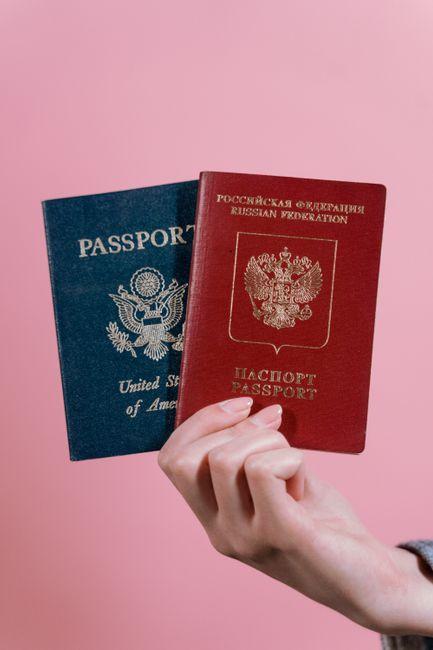
Navigating the Emotional Terrain of Leaving Yet Staying
When Maria first decided to pursue a second citizenship, she imagined a clean break-a new passport, a new life, a clear boundary between past and present. Yet, the reality was more nuanced. While she physically relocated to her new country, her heart remained tethered to the familiar rhythms of her homeland. Navigating this emotional divide meant confronting unexpected feelings: a persistent homesickness paired with a growing attachment to her new environment. The joy of newfound opportunities coexisted with guilt over perceived abandonment. Moments like missing family milestones or celebrating local holidays alone brought a sharp awareness that leaving does not always mean fully detaching. Such experiences highlight the delicate balance many face: seeking belonging elsewhere without severing the ties that shaped their identity.
This duality often manifests in decision points laden with emotional weight. Consider Alejandro, who obtained his second citizenship largely for professional reasons but found himself caught between two cultures during personal crises. His initial expectation was seamless integration; the reality involved piecing together a patchwork identity. The lessons learned were profound:
- Belonging is multi-layered: Citizenship offers legal recognition, but emotional roots require time and acknowledgment.
- Flexibility is essential: Embracing a hybrid sense of self allowed Alejandro to thrive rather than feeling fractured.
- Community bridges matter: Building relationships in both countries created a support network critical to his well-being.
| Expectation | Reality | Lesson |
|---|---|---|
| Instant cultural immersion | Gradual adaptation, moments of alienation | Patience nurtures genuine connection |
| Clear-cut national identity shift | Living fluid identities within two worlds | Identity evolves; it is not replaced |
| Complete uprooting | Emotional ties persist and influence decisions | Embracing duality enriches the journey |
By understanding these emotional contours, those embarking on the path to a second citizenship can prepare not only their documents but also their hearts for a complex, deeply human experience.
When Bureaucracy Meets Identity A Personal Tangle of Rules and Roots
Maria never imagined the complexities she’d face when applying for her second citizenship. Born in Brazil but raised in Italy, she expected the bureaucratic process to be a straightforward check of documents and a brief interview. Instead, she found herself caught in a web of overlapping regulations, where proving her “roots” required more than just birth certificates. Each office seemed to ask for different proof, and every form needed to be notarized under specifications she hadn’t considered. Maria recalls a particularly frustrating day when the consulate rejected her Italian birth certificate because it wasn’t translated in a specific official dialect-an unexpected hurdle that postponed her plans. This collision between rigid rules and personal identity made her question: how do these systems recognize the fluid, often messy nature of belonging?
The tension between her personal story and legal frameworks isn’t unique. Applicants often face moments where they must choose between which identity to emphasize or how to interpret their history through the lens of citizenship laws. Consider Raj, who discovered that his connection to his grandfather’s homeland was discountenanced because the country’s laws only accepted lineage via the paternal side. These contrasts highlight a fundamental lesson: bureaucracy values clarity and conformity, but identity seldom fits into neat boxes. Navigating this terrain means balancing:
- Patience in dealing with unexpected demands
- Persistence to gather sometimes elusive documents
- Flexibility to interpret and assert one’s identity within legal constructs
Understanding this interplay transforms the pursuit of a second citizenship from a mere administrative task into a deeply personal negotiation of self and state.
From Anticipation to Acceptance Unexpected Lessons on Dual Belonging
When Maria first began the journey toward obtaining her second citizenship, she envisioned a seamless expansion of her identity-an effortless blending of cultures and opportunities. The anticipation was electric: new passports, broader horizons, and a sense of belonging that transcended borders. But reality, as it often does, painted a more complex picture. Maria’s story is one shared by many who face the nuanced challenge of dual belonging. Navigating the emotional terrain of loyalty and identity came with unexpected moments of tension. For instance, during a family gathering, Maria noticed a subtle but distinct shift in conversation when she identified herself as holding dual citizenship. The pride was mingled with questions and sometimes skepticism, as if holding two national identities required an unspoken justification. It was in these settings that the “either-or” mindset clashed with the lived “both-and” experience – a moment of reckoning between expectation and the social realities of dual citizenship.
These personal and sometimes awkward encounters led Maria to valuable lessons about acceptance on both external and internal fronts. She realized that dual citizenship isn’t merely a legal status but a continuous negotiation of identity, belonging, and sometimes even compromise. What surprised her most was how the practical benefits-like easier travel or expanded work rights-were often overshadowed by the subtle emotional work of balancing allegiances. Some key takeaways emerged:
- Dual citizenship requires active engagement: It’s not a static label but a dynamic part of one’s story with needs for ongoing cultural and social dialogue.
- Acceptance begins with personal reconciliation: Embracing dual identity often demands patience and self-awareness before it fully registers with others.
- Expect relational ripples: Family, friends, and colleagues may need time and context to understand what dual belonging means beyond paperwork.
| Expectation | Reality |
|---|---|
| Dual citizenship is a simple extension of identity | It becomes a layered identity, sometimes requiring reconciliation and cultural adjustments |
| Immediate social acceptance | Mixed reactions and gradual acceptance unfold over time |
| Primary benefits are legal and practical | Emotional and relational dimensions impact everyday experience deeply |
Voices from the Margins Stories That Defy the Passport Narrative
When we think about seeking a second citizenship, the conversation often centers around passports, visa-free travel, and economic perks. But for many, the story is less about convenience and more about survival, identity, and belonging-narratives that seldom make headlines. Take Amina, who fled political unrest in her home country. Acquiring citizenship elsewhere wasn’t just about borders; it was about rebuilding a fractured family and creating a safe space for her children. The passport she obtained symbolized more than travel freedom-it was the key to a new language, an unfamiliar culture, and the hard task of starting over. The initial gleam of “better opportunity” gave way to the emotional reality of homesickness and constant negotiations between preserving her roots and embracing a new nationality.
Similarly, consider Rafael, whose second citizenship was tied to his entrepreneurial dreams in a competitive global economy. He expected swift access to business networks and investment opportunities but instead encountered complex legal systems and cultural barriers he hadn’t anticipated. His journey highlights the tension between expectation and outcome: sometimes a second citizenship opens doors, other times it erects walls that force introspection and resilience. These individual experiences urge us to look beyond the sleek narratives of passports and numbers, recognizing instead the layered human journeys behind the legal documents:
- Disrupted identities: Straddling two worlds often leads to a pieced-together sense of self, neither fully belonging nor entirely excluded.
- Emotional labor: Complex feelings of loss, hope, and cultural dissonance accompany the administrative milestones.
- Pragmatic adjustments: Navigating the legal labyrinth, financial costs, and societal expectations requires continuous adaptation.
| Expectation | Reality | Lesson Learned |
|---|---|---|
| Second citizenship ensures easy integration | Integration demands constant cultural navigation and personal change | Citizenship is a starting point, not an endpoint |
| Economic benefits are straightforward and immediate | Financial and legal challenges may delay or complicate opportunities | Patience and legal savvy are crucial |
| Belonging comes naturally with legal status | Belonging is built through relationships and time | Community engagement is key to true inclusion |
Redefining Home Through the Lens of Multiple Flags
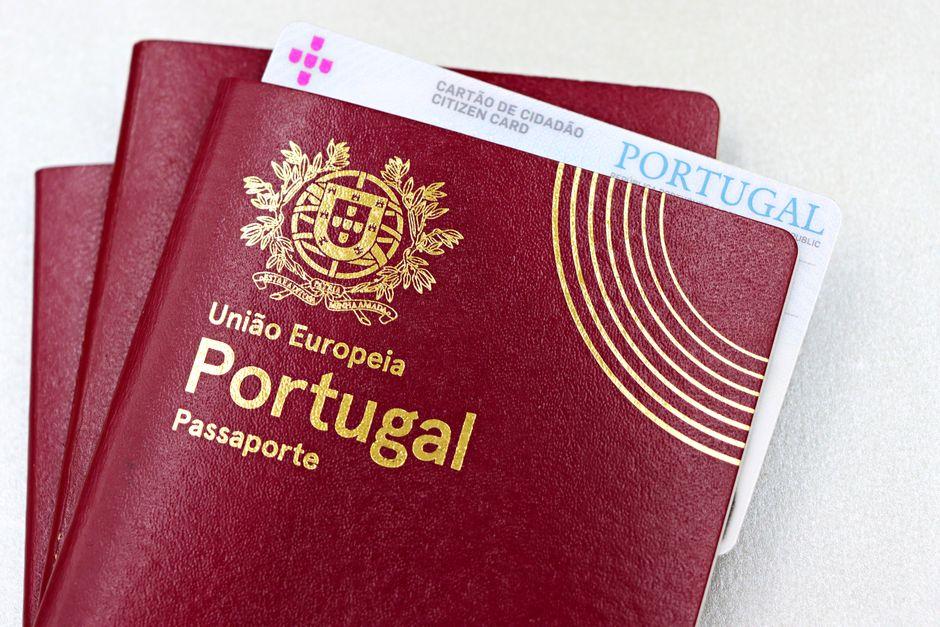
When Maria first embarked on her journey to secure a second citizenship, she imagined a neat, linear path to a new “home” – a picturesque place with clear borders and a singular belonging. Yet, as her paperwork shuffled through embassies and her daily life wove between two cultures, she discovered that “home” isn’t about a dot on a map but an evolving tapestry of identities. For someone like Maria, juggling languages, holidays, and social networks in two countries meant that the traditional notion of home was upended: the familiar rituals of family dinners in Argentina, contrasted with her new weekend hikes and coffee shop haunts in Portugal, blended into an unexpected hybrid comfort. This redefining of home often surfaces during profound decision points-whether to vote in local elections or where to send the kids to school-moments where legal status meets deeply personal choices.
Many stories mirror these contrasts between expectation and reality. Take Rahul, who pursued a second passport to unlock business opportunities, anticipating stability and seamless travel. Instead, he found himself navigating complex emotional negotiations-the relief of a new visa-free world shadowed by a subtle alienation from the native rhythm he had once taken for granted. Through these experiences, several lessons emerge:
- Home is fluid: It is less about geography and more about where meaningful connections thrive.
- The duality can challenge identity: Holding multiple flags can spark introspection on belonging and self-definition.
- Adaptability becomes key: Balancing contrasting legal, cultural, and social norms becomes a daily practice rather than a one-time shift.
| Expectation | Reality | Lesson |
|---|---|---|
| Clear new sense of belonging | Ongoing negotiation between two cultures | Home can be multifaceted rather than singular |
| Instant acceptance in new society | Cultural nuances require time to understand | Patience and openness are essential |
| Simple access to opportunities | Legal status opens doors, but emotional ties guide choices | Citizenship is a tool, not an identity |
Insights and Conclusions
In the end, the pursuit of a second citizenship reveals more than just a change of passport-it uncovers a complex map of personal identity, global belonging, and the nuanced dance between opportunity and obligation. These internal voyages challenge our understanding of home, pushing us to reconsider borders not as fixed lines, but as fluid passages within ourselves. As more individuals embark on these unexpected journeys, the true frontier may well be the borders we cross within, reshaping what it means to belong in an ever-unfolding world.




