
In the intricate dance of borders and bureaucracy, immigration experts often take center stage-armed with laws, policies, and strategies that promise swift passage through complex systems. Yet, behind their well-honed expertise lies a critical blind spot: the human equation. While immigration gurus excel at navigating regulations and charting legal courses, they sometimes overlook the deeply personal stories, emotions, and vulnerabilities that accompany every application. This article explores why the brilliance of technical knowledge can miss the heart of immigration-the real lives entangled in its processes-and what it means to bridge that gap.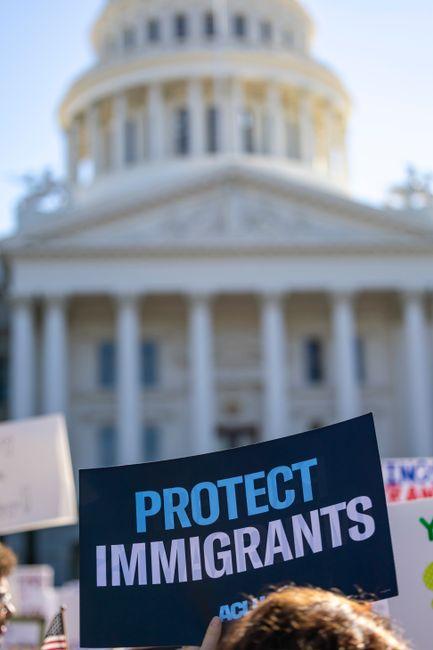
Unpacking the Blind Spots in Immigration Expertise
- Overreliance on Legal Frameworks: Immigration experts frequently prioritize the intricacies of statutes, policies, and procedural minutiae, assuming that mastery of these elements equates to comprehensive expertise. This legalistic focus, while essential, often sidelines the lived experiences and emotional complexities that immigrants face. The blind spot here is a reductionist view of human stories into case files and checklists, which risks ignoring variables like cultural displacement, psychological trauma, and socio-economic disparities that significantly influence integration outcomes. Expertise, therefore, should recalibrate from purely procedural competence toward a more empathetic, interdisciplinary approach that honors the humanity behind the applications.
- The Trade-off Between Efficiency and Empathy: Another prevalent misconception is that streamlining immigration processes inherently improves the immigrant’s experience. While operational efficiency reduces bottlenecks, it may simultaneously erode the personalized attention essential for nuanced cases-such as asylum seekers or vulnerable populations-who cannot be adequately served by standardized procedures alone. This tension demands a balanced model that does not sacrifice the depth of understanding for the sake of speed. Professionals should critically evaluate when fast-tracking is appropriate and when it borders on bureaucratic indifference. Incorporating multidisciplinary teams-including social workers and cultural mediators-can help mitigate this trade-off by distributing expertise beyond legal proficiency alone.
| Expertise Area | Common Blind Spot | Recommended Adjustment |
|---|---|---|
| Legal Mastery | Neglecting emotional and social context | Integrate psychosocial training in immigration education |
| Process Optimization | Over-standardizing unique cases | Embed multidisciplinary teams for individualized assessment |

When Legal Precision Overlooks Emotional Realities
- Legal expertise excels in parsing statutes and precedent, yet it often treats cases as abstract data points rather than lived human experiences. This detachment can result in solutions that, while technically sound, fail to resonate with the emotional and psychological stresses immigration applicants endure. For instance, a meticulously prepared asylum application may overlook the applicant’s trauma narrative, crucial for eliciting empathy and judicial discretion. The trade-off here is clear: strict adherence to legal precision may streamline case processing but at the expense of fully capturing the nuanced story behind the paperwork, which can sway outcomes in borderline cases.
- To better align legal rigor with emotional reality, immigration advisors must adopt a dual-lens approach. This means not only mastering immigration law but also cultivating an empathetic communication style that recognizes applicants as more than just case files. A practical recommendation involves integrating psycho-social assessments into case preparation to inform legal strategies, thus balancing objective legal standards with subjective human factors. The challenge lies in avoiding over-empathizing, which risks compromising legal clarity, and under-empathizing, which dehumanizes the client-finding this equilibrium is a subtle art demanding continuous skill refinement:
| Aspect | Legal Precision Focus | Emotional Reality Focus |
|---|---|---|
| Approach to Case | Rules-based, precedent-driven | Narrative-driven, empathy-centered |
| Strengths | Clarity, consistency, objectivity | Emotional resonance, client trust |
| Main Risks | Detachment, overlooking trauma | Bias, legal ambiguity |
Beyond the Playbook A Case for Empathy in Immigration Guidance
- Empathy as More Than a Soft Skill: While immigration expertise is often measured by precision in legal intricacies or procedural mastery, empathy remains a significantly underappreciated currency. It is not just “nice-to-have” but an essential lens through which every case should be assessed. Empathy enables advisors to recognize the complex realities behind legal forms: the aspirations, fears, and sacrifices individuals carry. This human-centered approach redefines success, balancing procedural correctness with emotional resonance-a balance too often overlooked in rigid “playbook” methodologies that treat applicants as mere files rather than persons.
- Contextualizing Standard Practices and Their Limits: Standardized immigration guidance attempts to streamline outcomes but can inadvertently erase unique personal narratives critical to nuanced decision-making. Overreliance on formulaic advice often masks cultural, psychological, and socioeconomic factors that influence applicants’ journeys. Rather than dismiss these as inefficiencies, a pragmatic integration of empathy acknowledges that trade-offs exist: prioritizing stringent compliance may accelerate procedures but risks overlooking compelling individual contexts that could influence case outcomes or client well-being. Incorporating empathy does not undermine legal rigor but enhances it by enriching understanding-encouraging immigration advisors to tailor solutions with calibrated flexibility rather than rigid uniformity.
| Aspect | Overused Assumption | Empathetic Reframing |
|---|---|---|
| Case Preparation | One-size-fits-all document list guarantees success | Customize support documents reflecting personal hardships and aspirations alongside legal criteria |
| Client Communication | Focus solely on procedural updates and deadlines | Prioritize active listening and emotional validation to build trust and resilience |
| Outcome Measurement | Success = quick approval rate | Success = sustained client empowerment and respectful navigation of complex realities |
Rethinking Authority The Limits of Conventional Immigration Advice
- Authority in immigration advice often derives from formal credentials and legal expertise, but this narrow focus overlooks the profound socio-cultural and emotional complexities immigrants face. Conventional experts excel at navigating statutes and paperwork but frequently miss how these laws translate-or fail to translate-into lived realities. The gap between “knowing the law” and “understanding the person” creates an advice environment that prizes compliance over connection, process over people. Recognizing this distinction is crucial: legal accuracy does not inherently equate to meaningful support or successful integration outcomes. Expertise should be reframed to include empathetic engagement and adaptive problem-solving that respects individual narratives and contextual nuances.
- Yet, dismantling the authority of traditional immigration “gurus” is not an endorsement to discard professional guidance altogether. Instead, it demands a recalibration of priorities and roles:
Aspect Conventional Approach Rethought Perspective Primary Focus Legal documentation & procedural correctness Holistic understanding encompassing personal histories & aspirations Advice Style Directive, “one-size-fits-all” pathways Collaborative, tailoring strategy to individual constraints and hopes Measure of Success Approval rates and legal compliance Long-term well-being and socio-cultural integration The trade-off here is delicate: embracing a richer, more human-centered authority requires time, empathy, and personalized capacities that few “gurus” cultivate systematically. However, doing so can elevate immigration advice from a transactional service to a transformative partnership. The recommendation is clear: clients should seek advisors who balance legal proficiency with emotional intelligence, and advisors must consciously expand their role beyond rulings to restorative guidance.
Navigating Complex Choices Between Compliance and Compassion
- Compliance and compassion are often framed as mutually exclusive in immigration consultancy, yet the most effective practitioners recognize their complex, intertwined nature. Compliance ensures the structural integrity of immigration systems-protecting borders, legal standards, and policy fairness-while compassion addresses the lived human reality behind every application, where rigid rules may fail to capture context or hardship. Oversimplifying these as opposing forces neglects the opportunity for creative problem-solving that respects legal frameworks while advocating for clients’ dignity. A nuanced approach entails prioritizing legality without sacrificing empathy, often by reframing cases to align humanitarian grounds with statutory criteria, thus bridging the divide rather than choosing one at the expense of the other.
- Practitioners must weigh the perilous trade-offs involved in pushing for compassionate outcomes that might strain compliance boundaries, risking legal jeopardy or prolonged uncertainty for clients. This requires selective courage and principled boundary-setting. For example, when advising clients, immigration experts should:
- Identify cases where compassion can be substantiated with concrete evidence and legal precedents, rather than appeals to emotion alone.
- Assess the systemic impact of exceptions-recognizing that frequently bending rules compromises broader credibility and may harm future applicants.
| Aspect | Compliance Focus | Compassion Focus |
|---|---|---|
| Primary Goal | Legal adherence and precedent respect | Human impact and contextual flexibility |
| Strategy | Strict documentation and procedural clarity | Narrative-building and contextual advocacy |
| Risk | Rigid outcomes, possible dismissal of genuine hardship | Potential legal challenges, unpredictability in results |
| Optimal Integration | Employ rigorous compliance as foundation while leveraging compassion to illuminate facts that extend statutory interpretations. | |
In Conclusion
In the intricate arena of immigration, the expertise of seasoned professionals undeniably shapes outcomes and policies. Yet, as we peel back the layers of technical mastery, a crucial truth emerges: behind every case number lies a human story that defies data points and legal jargon. The challenge for today’s immigration gurus is not merely to navigate laws but to embrace the nuances of lived experience-the hopes, fears, and resilience that textbooks cannot fully capture. Bridging this gap between knowledge and empathy may well be the key to crafting immigration solutions that honor both the letter of the law and the pulse of humanity.




