
In a world where borders blur and cultures intertwine, the concept of belonging takes on new dimensions. Joint citizenship, often referred to as dual nationality, opens a gateway to multiple identities and opportunities, allowing individuals to navigate life between two nations seamlessly. But what exactly is joint citizenship? Beyond just holding two passports, it weaves into the fabric of legal rights, cultural connections, and personal freedoms. This article delves into the essence of dual nationality, shedding light on its benefits and the complexities that shape this increasingly common global phenomenon.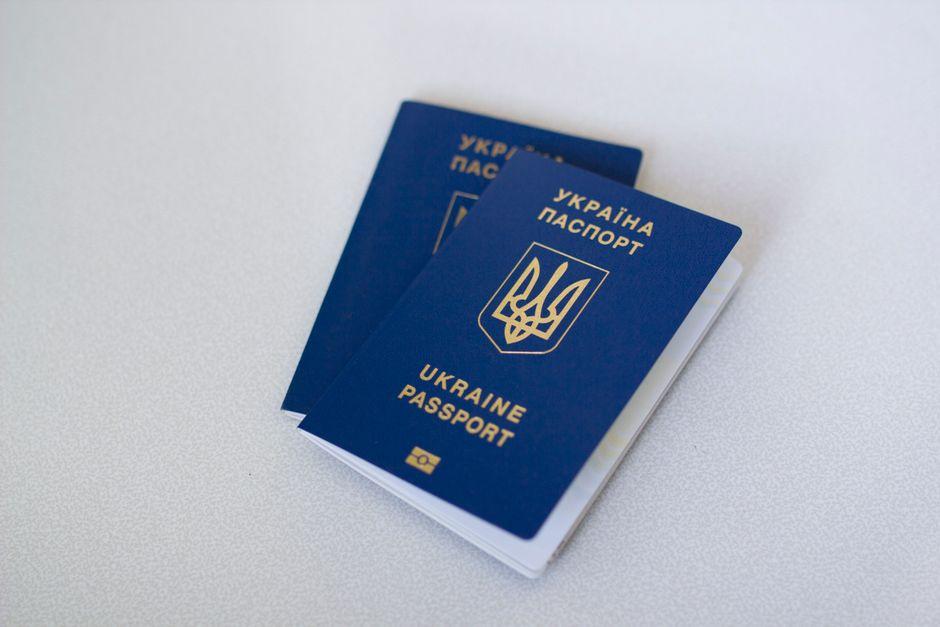
Exploring the Meaning and Legal Foundations of Dual Citizenship
Dual citizenship, also known as joint or multiple citizenship, occurs when an individual is legally recognized as a citizen by two countries simultaneously. This status means the person holds rights and responsibilities in both nations, which can vary widely depending on each country’s laws. Fundamentally, the legal foundation of dual citizenship rests on two key principles: jus soli (right of the soil) and jus sanguinis (right of blood). Citizens may acquire nationality through birth within a country’s territory (jus soli) or through descent from a parent who is a citizen (jus sanguinis). While some countries permit dual citizenship explicitly, others prohibit it or impose strict conditions, such as requiring individuals to renounce their prior nationality when naturalizing. Therefore, understanding specific bilateral or multilateral treaties, as well as national nationality laws, is essential to grasp the full legal implications of holding joint citizenship.
The benefits of dual citizenship extend beyond legal identity, touching on practical, economic, and cultural aspects. Holders can enjoy travel flexibility, access to social services, employment opportunities, and property rights in both nations. However, dual nationality can also create challenges, such as double taxation, compulsory military service, and conflicting legal obligations. Below is a brief comparison highlighting typical advantages and challenges:
| Aspect | Benefits | Potential Challenges |
|---|---|---|
| Travel & Mobility | Visa-free or eased access to multiple countries | Possible visa restrictions or entry bans in some cases |
| Political & Civil Rights | Voting rights in both countries; ability to work and reside freely | Risk of conflicting allegiance during political disputes |
| Financial | Property ownership and business opportunities | Exposure to taxation and reporting requirements in both countries |
To navigate these complexities effectively, it is advisable to consult legal experts familiar with international nationality law and to stay informed about each involved country’s stance on dual citizenship. This ensures compliance with all legal obligations while maximizing the personal and professional advantages that joint citizenship can offer.

Advantages and Challenges of Holding Citizenship in Two Countries
Advantages of Holding Citizenship in Two Countries extend beyond mere convenience, offering tangible benefits in travel, work, and legal rights. Dual citizens enjoy the ability to live, work, or study freely in both countries without restrictive visa requirements, which can open doors to broader job markets and educational opportunities. They often gain access to social services, healthcare, and retirement benefits in both nations, providing a safety net that single nationality holders typically lack. Additionally, owning property or starting a business can be simpler under local citizenship laws, which sometimes restrict foreigners. From a cultural standpoint, dual nationality allows individuals to maintain close familial and heritage ties, fostering personal identity and belonging across borders.
Challenges of Dual Citizenship are important to consider alongside its perks. Legal complexities can arise, such as double taxation, where one might be liable to pay taxes in both countries unless specific treaties exist. Military obligations may overlap, putting dual citizens in difficult positions regarding service requirements. Diplomatic protection can also become murky if conflicts occur, as governments might prioritize their own nationals. Furthermore, some countries do not recognize dual citizenship, which may lead to loss of nationality or legal issues in formal documentation and travel. To navigate these challenges, it’s advisable to:
- Research each country’s laws on dual citizenship thoroughly.
- Consult with legal experts to understand tax responsibilities.
- Keep updated on passport and identification renewal requirements.
| Aspect | Benefits | Challenges |
|---|---|---|
| Travel | Access to more countries visa-free, dual passports | Possible confusion or additional scrutiny at borders |
| Legal Rights | Right to work, vote, and receive government services in both countries | Potential conflicting laws and mandatory obligations |
| Taxes | Opportunity to optimize tax planning | Risk of double taxation without treaties |
How Dual Nationality Shapes Personal, Professional, and Travel Opportunities
Dual nationality, or joint citizenship, profoundly expands personal, professional, and travel horizons by granting individuals the legal rights and cultural affiliations of two countries simultaneously. On a personal level, it fosters a deeper connection to multiple heritages, enabling easier communication with family members, cultural integration, and access to social services like education and healthcare in both countries. Professionally, joint citizenship often improves job prospects by allowing work authorization without visa restrictions in two markets. This can be especially advantageous for entrepreneurs and remote workers who benefit from diverse economic landscapes and varied labor regulations. Additionally, dual nationals frequently enjoy simplified taxation options and retirement benefits depending on bilateral agreements between their countries.
The travel benefits of dual nationality are substantial, with holders often accessing multiple passports that facilitate smoother entry into numerous countries. This not only reduces the need for visas but also provides greater flexibility in planning international trips or even temporary relocations. However, it’s important to consider potential challenges, such as dual taxation obligations or mandatory military service in some countries. Here’s a concise comparison of common dual nationality factors:
| Aspect | Benefits | Considerations |
|---|---|---|
| Personal Identity | Enhanced cultural ties, family reunification | Complex legal status in some countries |
| Professional Mobility | Work permits, entrepreneurial opportunities | Navigating dual tax laws |
| Travel Convenience | Multiple passports, visa-free travel | Potential mandatory military service |
For those considering obtaining joint citizenship, conducting thorough research on the specific countries’ policies and consulting with legal experts can help maximize the benefits while mitigating complications. Ultimately, dual nationality can serve as a powerful tool for broadening life’s opportunities across borders.
Common Misunderstandings About Joint Citizenship Debunked
One of the most common misconceptions about joint citizenship (or dual nationality) is that it automatically means double taxation or compulsory military service in both countries. In reality, many nations have agreements or policies in place to prevent such conflicts. For instance, some countries offer tax treaties to ensure you’re not taxed twice on the same income. Similarly, military obligations often depend on residency and specific national laws rather than simply holding citizenship. It’s also important to understand that dual citizenship does not necessarily mean duplicating legal responsibilities; rather, you inherit the rights and duties unique to each nation, which can vary widely.
Another frequent misunderstanding is that joint citizenship restricts travel or complicates legal status abroad. While it’s true that some countries limit dual nationality or require renouncing one citizenship to obtain another, many accept it without issue, offering notable advantages like easier access to work, education, and healthcare across borders. For clarity, here’s a brief comparison of typical challenges and benefits associated with joint citizenship:
| Aspect | Common Misconception | Reality / Recommendation |
|---|---|---|
| Taxation | Double taxation applies everywhere | Most countries have treaties to avoid double taxation; consult a tax advisor |
| Legal Status Abroad | Dual citizens face travel bans or visa restrictions | Dual citizenship often simplifies travel, but check each country’s entry rules |
| Military Service | Owed military duty in both countries | Military obligations depend on residency and law; exemptions or deferrals may apply |
Factors to Weigh Before Pursuing Dual Citizenship and Expert Guidance
Factors to Weigh Before Pursuing Dual Citizenship involve a careful examination of legal, financial, and personal implications. It is essential to understand that dual citizenship grants you the rights and responsibilities of two nations, but this can mean complex tax obligations, mandatory military service, or restrictions on government employment in one or both countries. Evaluate your country of origin’s stance on joint nationality-some nations do not recognize dual citizenship and may require renouncing your original citizenship. Additionally, understand that healthcare benefits, voting rights, and property ownership rules can vary significantly between your two countries, which can impact your lifestyle and long-term planning.
Seeking expert guidance is highly recommended to navigate these complexities. Immigration attorneys or specialized consultants can provide personalized assessments, ensuring you comply with all legal criteria while maximizing the benefits of holding two passports. Key areas where experts add value include:
- Clarifying residency requirements and how they affect tax residency status
- Informing on dual citizenship treaties and international agreements
- Explaining implications for inheritance and estate planning across borders
- Guiding on document preparation and application processes to avoid common pitfalls
| Consideration | Potential Impact |
|---|---|
| Tax Obligations | May require filing in multiple countries, possible double taxation |
| Legal Conflicts | Differing laws on military service, political participation |
| Travel Flexibility | Access to more countries with multiple passports |
| Cultural and Family Ties | Strengthens identity and connections across borders |
In Conclusion
In navigating the complexities of identity, law, and belonging, joint citizenship offers a unique bridge-uniting diverse cultures, rights, and opportunities under one legal umbrella. Whether driven by heritage, opportunity, or personal choice, understanding dual nationality empowers individuals to make informed decisions that resonate with their values and aspirations. As the world continues to intertwine, appreciating the nuances of joint citizenship not only enriches personal journeys but also contributes to a more connected and inclusive global community.




