
In a world increasingly woven together by migration and connection, the experience of holding dual citizenship unfolds as a nuanced journey of identity and belonging. Wearing two flags is not merely a legal status but a lived reality-a delicate balancing act between the rhythms of two homelands, histories, and cultures. This article explores the intricate landscape of dual citizenship, where individuals navigate the promises and challenges of belonging to more than one nation. Through this lens, we delve into what it means to carry multiple identities, the sense of home that transcends borders, and the evolving shapes of community in an interconnected era.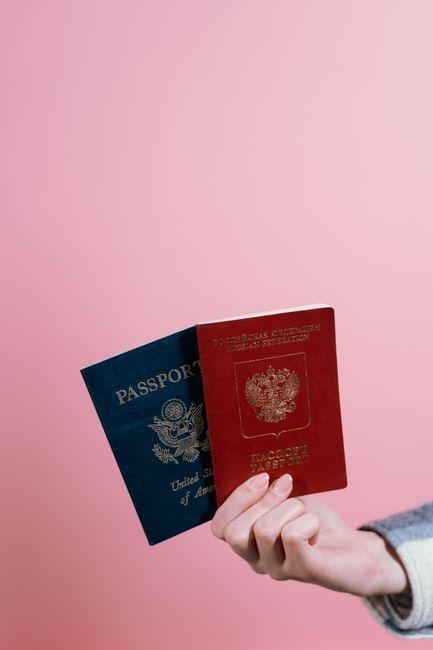
Between Two Worlds A Day in the Life of Dual Citizenship
Every morning, dual citizens navigate a subtle choreography between two worlds. Take Ana, for example, who starts her day with a coffee brewed the way her grandmother taught her back in Spain, only to switch gears mid-morning to answer work emails in English, thinking through frameworks she’s mastered in the United States. This daily dance often surfaces moments of introspection-should she apply a local mindset to office politics, or lean into the more direct communication style she grew up with in Madrid? These small choices ripple beyond conversation techniques: they influence how she interprets rules, traditions, and even her own identity. The push and pull between cultures here isn’t just about language or customs; it’s a continuous negotiation of belonging, shaping how she feels seen and understood in both communities.
Challenges like these extend beyond personal interactions. Consider a scenario during tax season, when Michael, holding citizenship in both Canada and Germany, must decide where and how to file his returns. Expectations often clash with reality-the notion that dual citizenship might simplify legal obligations quickly unravels in the face of bureaucratic complexities. Such moments are pivotal, teaching many that dual citizenship is less about seamless blending and more about managing parallel responsibilities. Here’s a snapshot of common considerations dual citizens juggle daily:
- Identity cues: Language switches signifying cultural context and comfort level.
- Legal compliance: Navigating differing tax, voting, or residency rules without losing track.
- Community engagement: Balancing participation in cultural events without feeling allegiance conflict.
| Expectation | Reality |
|---|---|
| Dual citizenship = automatic cultural belonging | Belonging requires active, ongoing engagement in both communities |
| Citizenship simplifies legal and administrative processes | Often entails dual obligations, paperwork, and nuanced decision-making |
| Easy to switch between identities | Switching can involve deep emotional and social adjustments |
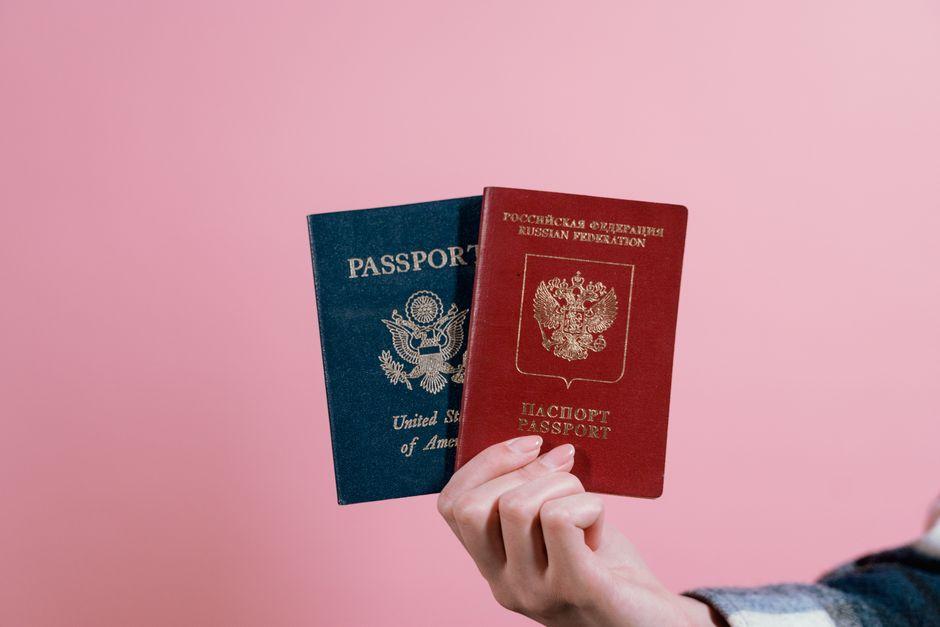
The Quiet Tensions of Belonging When Flags Tell Different Stories
When Lara first pinned the two flags side by side on her backpack – one representing her birth country, the other her adopted home – she felt a subtle yet persistent tug of unease. At family gatherings in her new city, conversations occasionally spiraled into debates about politics, history, and identity, punctuated by the symbolic use of these nations’ flags. Despite her deep affection for both countries, the flags, ostensibly proud emblems, sometimes became silent battlegrounds reflecting unresolved tensions. Lara noticed how others-with just one flag to claim-seemed anchored, while she was juggling a double narrative, each side eager for allegiance yet each also suspicious of divided loyalty. Her experience illuminated a quiet reality of dual citizenship: the flags don’t just flutter in the breeze, they carry stories, conflicts, and sometimes, expectations that clash with the personal truth of belonging.
Consider Jamil, who wore his dual allegiance like a badge of honor until a moment at work shifted his understanding. When asked which country he “really” belonged to during a heated company debate on global trade, he hesitated-a small pause that revealed an invisible chasm inside. The expectation was clear: dual citizens should lean fully to one flag, especially in moments of national pride or crisis. Yet, his heart was divided, neither story fully eclipsing the other. This tension is not unique. It speaks to a broader dynamic:
- Expectation: Dual citizens are expected to choose sides in symbolic ways, especially when flags are involved.
- Reality: Their identity is often fluid, resistant to singular definitions.
- Lesson: True belonging may lie in embracing contradictions rather than resolving them.
| Scenario | Expectation | Actual Experience |
|---|---|---|
| National holiday celebrations | Display the flag of one’s chosen country proudly | Feeling torn, sometimes choosing silence or subtlety over overt display |
| Workplace identity questions | Declare primary national loyalty | Experiencing internal conflict, occasionally avoiding the topic to prevent misunderstanding |
| Social media profiles | Highlight one flag for clarity | Curate content representing both, navigating mixed reactions from diverse audiences |
Crossroads and Compromises How Dual Citizens Navigate Social Expectations
Consider Sofia, who holds citizenship in both Brazil and Portugal. At family celebrations, she often finds herself at a crossroads-celebrating Portuguese traditions with one side and embracing Brazilian customs on the other. When relatives ask where she “truly” belongs, Sofia faces the challenge of honoring both without diluting either identity. These moments require a delicate balance; she has learned that openly sharing her dual heritage can spark curiosity and connection, but it can also lead to subtle questions about loyalty. Over time, Sofia discovered that embracing the fluidity of her identity, rather than choosing sides, creates a space where both cultures coexist authentically, even if others expect a more definitive answer.
Dual citizens frequently encounter social expectations that don’t account for hybrid identities. Take Ahmed, for example, who navigates identity between his Egyptian and Canadian backgrounds. In professional settings, he’s often pressured to conform to the workplace culture dominant in Canada, yet among family and community, there’s an unspoken expectation to maintain traditional Egyptian values. This tug-of-war can shape everything from language choices to career aspirations. Ahmed has found that openly acknowledging these contrasting expectations-and making intentional compromises-helps manage the emotional weight. His experience highlights a key insight: dual citizenship doesn’t mean splitting oneself in two but rather weaving a personal narrative that honors multiple cultural threads, often requiring negotiation, patience, and the courage to redefine what belonging truly means.
Lessons Learned From Embracing Both Roots Without Losing Self
When Maya first moved between the two countries she proudly called home, she assumed that blending her cultural identities would be seamless. However, reality introduced her to moments of unexpected friction-like navigating family gatherings where her American relatives questioned her “foreign” habits, or facing colleagues abroad who doubted her fluency in their language. These moments of subtle exclusion forced Maya to confront a pivotal realization: embracing both roots didn’t mean merging into a single identity, but rather honoring the coexistence of her diverse experiences without feeling pressured to dilute either. This understanding became a cornerstone, teaching her the importance of setting personal boundaries, like choosing when to share cultural nuances and when to simply embrace silence, preserving her authenticity instead of chasing external validation.
- Lesson One: Dual citizenship is less about blending seamlessly and more about embracing duality and fluidity.
- Lesson Two: Authenticity often requires vulnerability and the courage to stand apart from societal expectations.
- Lesson Three: Community belonging evolves-sometimes it requires forging new spaces rather than seeking acceptance in predefined ones.
Consider the contrast between expectation and outcome that Arjun experienced. Expecting his Indian heritage to be a straightforward source of pride and connection, he found instead that some expatriate conversations reduced his rich background to simplistic stereotypes. This dissonance forced Arjun to redefine his relationship with both cultures on his own terms, shaping a dynamic identity that resists neat categorization. Through gradual acceptance, Arjun learned that the essence of holding two flags lies not in choosing sides but in embracing the tension they provoke-a tension that fuels growth, self-discovery, and a nuanced sense of belonging amid complexity.
| Expectation | Reality | Lesson Learned |
|---|---|---|
| Immediate feeling of belonging in both cultures | Experiencing alienation and misunderstanding | Belonging is an evolving process, requiring patience and openness |
| Uniting identities will simplify social interactions | Dual identities sometimes complicate perceptions and assumptions | Complexity can be embraced as a unique strength |
Examples of Identity in Action Celebrating Complexity Beyond Borders
- Maya’s Festival Dilemma: Born in Canada to Indian parents, Maya experienced firsthand the beautiful tension of dual citizenship during the Diwali celebrations. At school, she wanted to share the vibrant traditions she grew up with, but found her Canadian classmates unfamiliar, even hesitant, about participating. Meanwhile, her Indian relatives gently reminded her of the “proper” way to celebrate, often contrasting her Canadian social openness with their more reserved cultural customs. This small but meaningful conflict highlighted how identity isn’t fixed but constantly negotiated-Maya learned to create space where both cultures coexist, opening dialogue rather than choosing one over the other.
- Jamal’s Professional Crossroads: As a dual citizen of the UK and Nigeria, Jamal faced a pivotal career decision that illuminated the complexities of belonging. An opportunity to work in London’s finance sector promised stability and recognition, aligning with societal expectations from both sides of his family. Yet, a call to contribute to a burgeoning tech startup in Lagos stirred a different kind of connection. Here, his dual identity wasn’t just symbolic-it was an asset, a bridge between two economic landscapes often seen as worlds apart. Jamal’s choice wasn’t about choosing “home”-it was about embracing how his overlapping identities expanded his professional and personal horizons.
Final Thoughts
In the delicate dance of wearing two flags, the journey of dual citizenship unfolds as a rich tapestry of identity and belonging. It challenges us to embrace complexity, balancing heritage and aspiration, roots and routes. As borders blur and connections deepen, carrying more than one flag becomes not just a legal status, but a personal narrative of hybridity and hope. Ultimately, navigating this duality invites us all to reconsider what it means to belong-and to recognize that sometimes, the heart holds space for more than one home.




