
In an increasingly interconnected world, the concept of identity has grown more complex-and owning not just one, but two citizenships, embodies this global blend. Dual citizenship, once a rarity, now offers individuals a unique tapestry of rights, privileges, and responsibilities that stretch across borders. But what does it truly mean to hold two passports? Beyond the excitement of new opportunities, it comes with a nuanced landscape of legal obligations and potential challenges. This article sets out to explore what having two citizenships entails, unpacking the benefits, confronting the hurdles, and navigating the legal frameworks that shape this modern phenomenon. Whether driven by heritage, opportunity, or necessity, understanding dual citizenship opens a window into the multifaceted nature of belonging in today’s world.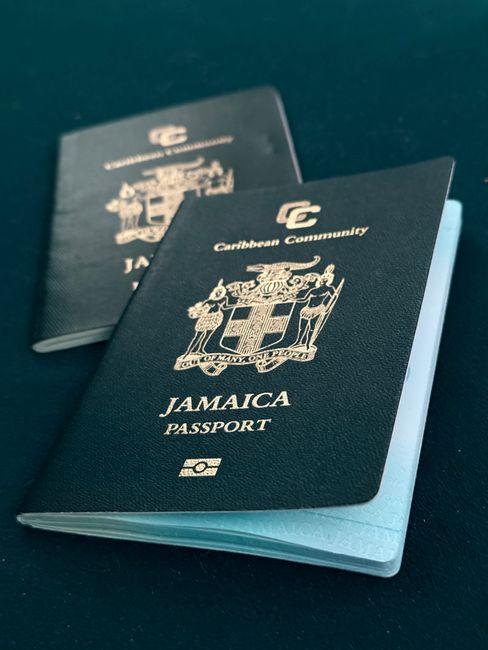
Understanding Dual Citizenship and Its Impact on Identity and Rights
Dual citizenship-also known as multiple citizenship or dual nationality-refers to the legal status of an individual recognized as a citizen of two countries simultaneously. This means a person holds the rights and obligations granted by both nations, affecting identity and legal status in multiple ways. On an identity level, dual citizenship often fosters a unique cultural connection, allowing individuals to embrace diverse traditions, languages, and values. It broadens personal perspectives but can also present challenges in balancing conflicting national allegiances or emotional ties. From a rights standpoint, dual citizens typically enjoy privileges like voting, working, and residing in either country, access to social services, and the ability to own property. However, these benefits can vary depending on each country’s laws regarding dual nationality.
While dual citizenship offers many advantages, it also comes with potential complications relating to legal responsibilities and identity conflicts. Common issues include:
- Tax obligations: Some countries, such as the United States, tax citizens on worldwide income regardless of residence, requiring careful financial planning.
- Military service: Dual citizens may be subject to conscription laws in either country.
- Travel restrictions: Passport rules and visa requirements can differ significantly, occasionally causing confusion at borders.
- Legal conflicts: Discrepancies between the countries’ laws can affect inheritance, child custody, or criminal justice matters.
Understanding these complexities is crucial before pursuing or maintaining dual citizenship. Consulting legal experts or government resources can help individuals manage their dual identities effectively while maximizing benefits and minimizing risks.
Advantages and Complications of Holding Two Passports
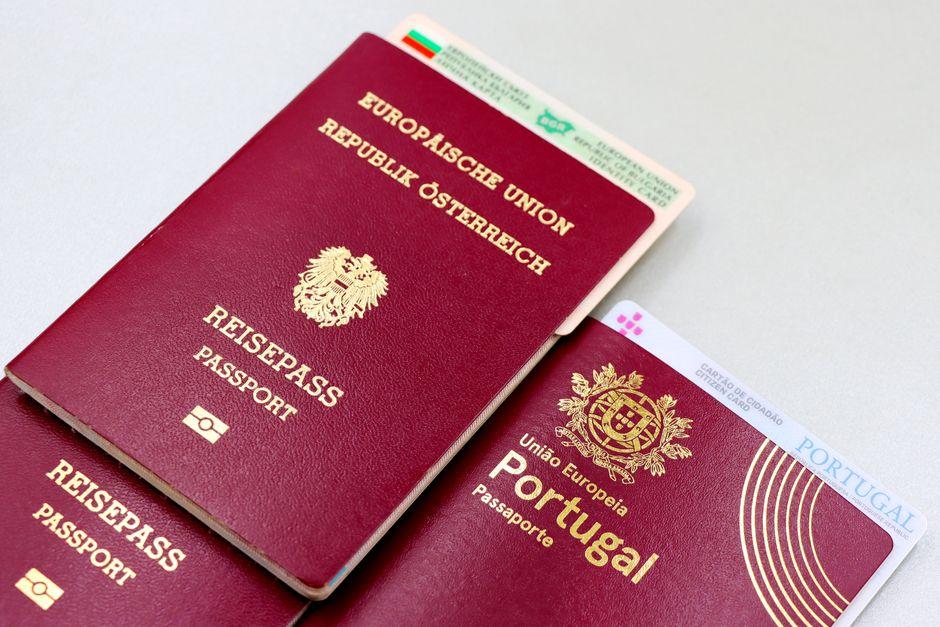
Advantages of Holding Two Passports extend well beyond simple convenience. Dual citizenship allows individuals greater freedom of travel, often providing visa-free access to more countries than a single passport permits. It also opens doors to expanded work opportunities, higher education options, and even access to social services or healthcare benefits in both countries. Another key benefit is financial flexibility-dual citizens can engage in banking, property ownership, and investment activities across two jurisdictions, potentially benefiting from diverse economic environments. Importantly, holding two citizenships can offer a safety net during political instability or personal emergencies, providing alternative legal protections and the possibility to relocate without restrictions.
However, the advantages come with some noteworthy complications. Dual citizens may face complex tax obligations, including filing requirements in both countries, which can lead to unintentional legal pitfalls if not managed properly. Military service requirements and allegiance laws vary widely, potentially forcing individuals to fulfill duties for both countries or navigate conflicting legal demands. Additionally, maintaining two passports might raise bureaucratic challenges, such as updating documents, renewing visas, and staying compliant with each nation’s specific regulations. It’s also essential to consider that some countries do not recognize dual citizenship, which can lead to issues like loss of nationality or legal ambiguity.
- Travel Perks: Access to more countries visa-free
- Work & Residency: Legal ability to live, work, and study in two countries
- Financial Diversity: Investment and banking advantages
- Legal Complexities: Tax liabilities and allegiance conflicts
- Bureaucratic Demands: Managing two sets of documents and compliance
- Country-Specific Risks: Potential loss of citizenship or diplomatic conflicts
| Aspect | Benefit | Challenge |
|---|---|---|
| Travel | Visa-free entry to more countries | Possible conflicting passport use rules |
| Taxes | Access to favorable tax regimes | Double taxation risk and reporting requirements |
| Legal Status | Political protection in two nations | Dual military service or allegiance conflicts |
Navigating the Legal Landscape of Multiple Nationalities
requires a clear understanding of how different countries handle dual citizenship. Each nation has its own rules regarding recognition, rights, and responsibilities, which can significantly impact your legal status. Some countries fully accept dual citizenship, allowing individuals to maintain rights such as voting, employment, and property ownership in both nations. Others impose restrictions, like mandatory military service, taxation obligations, or even forced loss of one nationality upon gaining another. For instance, the United States permits dual citizenship but expects full tax reporting, while countries like Japan do not recognize dual nationality and require individuals to choose by a certain age.
When managing multiple citizenships, it is essential to consider legal risks and compliance requirements to avoid complications such as travel restrictions, conflicting laws, or unintended loss of nationality. Key factors to watch include:
- Taxation rules: Some countries tax worldwide income, requiring careful planning to prevent double taxation.
- Military obligations: Dual nationals may face conscription demands from one or both countries.
- Passport use: Laws often dictate which passport must be used entering or leaving a given country.
- Renunciation procedures: Understanding how to legally renounce citizenship if needed.
| Country | Dual Citizenship Policy | Notable Legal Implications |
|---|---|---|
| United States | Permitted | Mandatory tax filings on global income; no forced renunciation |
| Germany | Generally restricted | Requires permission; often mandates renouncing previous citizenship |
| Canada | Permitted | Allows dual citizenship without restrictions |
Consulting with immigration lawyers or legal experts specializing in citizenship law can prevent unexpected hardships. Proactively managing legal compliance and staying informed about the rules in each relevant country ensures that maintaining multiple nationalities remains an advantage rather than a legal burden.
Common Misconceptions About Being a Citizen of Two Countries
- Dual citizenship means legal recognition by two countries, not dual taxation: Many believe holding two citizenships automatically subjects them to double taxes, but this is not true. Tax obligations depend on each country’s laws, treaties, and the individual’s residency status. For example, the United States taxes based on citizenship, whereas many countries tax based on residency. Understanding tax treaties and exemptions is crucial to avoid paying taxes twice on the same income.
- Dual nationals don’t lose allegiance to one country: Some assume being a citizen of two countries causes conflicting loyalties or legal complications such as mandatory military service or voting restrictions. While challenges exist, most countries allow dual citizens to hold passports, vote, and access social benefits independently. However, it’s essential to check if either country demands exclusive allegiance in certain situations or restricts dual citizenship altogether.
| Misconception | Reality |
|---|---|
| Automatic dual passport use | You can hold two passports, but usage rules vary by country and travel destination. |
| Dual citizenship always grants immediate benefits | Benefits depend on legal frameworks, such as work rights, healthcare, or education access, which can differ widely. |
| You can’t lose dual citizenship | Both countries may have rules about renouncing or revoking citizenship, especially for security or legal reasons. |
Choosing Dual Citizenship Wisely: What to Consider Before You Decide
When considering dual citizenship, it’s essential to evaluate several key factors beyond the immediate appeal of holding two passports. First, understand the legal frameworks of both countries involved, as they can greatly influence your rights and obligations. For instance, some countries permit dual citizenship without restrictions, while others require you to renounce your original nationality. Additionally, tax obligations may become complex, since dual citizens often must comply with tax laws in both countries, including filing requirements and potential double taxation unless treaties exist to mitigate this. It’s wise to research military service requirements, voting rights, and eligibility for public services, which can differ significantly between nations.
Beyond legal considerations, reflect on the practical implications that come with dual citizenship to ensure it aligns with your personal and professional goals. You should assess how dual citizenship might affect your ability to travel freely, work, or access social benefits like healthcare and education. Consider potential challenges such as:
- Passport controls and entry restrictions-some countries may impose limits on dual nationals.
- Political and diplomatic risks-dual citizens might face complications if the two nations have strained relations.
- Identity and lifestyle-managing cultural expectations and responsibilities in two societies.
Here’s a brief comparison to help visualize important aspects:
| Aspect | Benefits | Considerations |
|---|---|---|
| Travel | Easier global mobility, visa-free access | Carry multiple passports, entry/exit processing |
| Legal Rights | Voting, property ownership, work rights | Conflicts with national laws, obligations |
| Financial | Access to banking, investments, benefits | Double taxation, complicated reporting |
Weigh these factors carefully to make an informed decision that suits your individual circumstances and long-term plans.
Wrapping Up
In navigating the complex landscape of dual citizenship, one steps into a world brimming with unique opportunities and intricate responsibilities. It is a passport not just between nations, but between identities, legal frameworks, and cultural tapestries. While the benefits-ranging from expanded travel freedoms to enhanced economic prospects-are undeniably appealing, the challenges and legal nuances require careful consideration. Ultimately, holding two citizenships is a balancing act, inviting individuals to embrace the richness of multiple affiliations while navigating the obligations each entails. As global interconnectedness deepens, understanding what it means to be a citizen of more than one land is essential for making informed, empowered choices in an increasingly borderless world.




