
In an increasingly interconnected world, the concept of nationality is evolving beyond simple borders and single passports. Triple citizenship-a status held by those who legally claim allegiance to three countries simultaneously-is becoming a fascinating reality for many global citizens. But what does it really mean to be a triple citizen? This article embarks on a thoughtful journey to unravel the benefits that come with this unique position, the challenges that may arise, and the pathways one might navigate to qualify for this rare but intriguing status. Whether driven by heritage, opportunity, or personal choice, triple citizenship opens a window into a complex, multifaceted identity shaped by more than one homeland.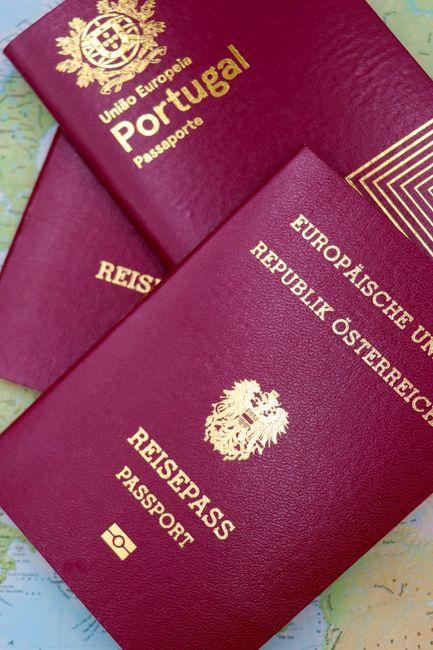
Understanding Triple Citizenship and What It Means for You
Triple citizenship refers to the legal status of an individual who holds citizenship in three different countries simultaneously. This means that the person enjoys the rights, responsibilities, and privileges granted by each nation’s laws, such as voting rights, work permits, access to social services, and protection abroad. While single and dual citizenship are more common and widely understood, triple citizenship is less so, mainly because not all countries allow or recognize multiple citizenships to this extent. For those interested in pursuing or understanding triple citizenship, it’s crucial to recognize how the laws of each involved country interact, as well as the practical implications it has on travel, taxation, military service, and diplomatic protection. This status can arise through birth, marriage, naturalization, or a combination of these paths, depending on the countries’ policies.
The benefits of holding triple citizenship can be substantial, especially in terms of increased mobility, economic opportunities, and cultural connections. For example, triple citizens can leverage extensive travel freedom with multiple passports, often avoiding visa requirements for numerous countries. Additionally, owning citizenship in three nations expands access to educational programs, healthcare services, and property ownership rights. However, it also presents challenges such as the complexity of tax obligations across jurisdictions, potential conflicts in legal duties like compulsory military service, and the risk of diplomatic complications when residing in or traveling between these countries. To navigate this effectively, it’s recommended to:
- Research each country’s stance on multiple citizenships and understand any restrictions.
- Consult legal professionals to clarify tax liabilities and residency requirements.
- Maintain updated documentation for all passports and citizenship proofs.
| Aspect | Triple Citizenship | Dual Citizenship |
|---|---|---|
| Legal Complexity | Higher due to three legal frameworks | Relatively lower |
| Travel Flexibility | Significantly increased | Moderate to high |
| Taxation & Obligations | More complicated with multiple jurisdictions | Potentially complicated but simpler |
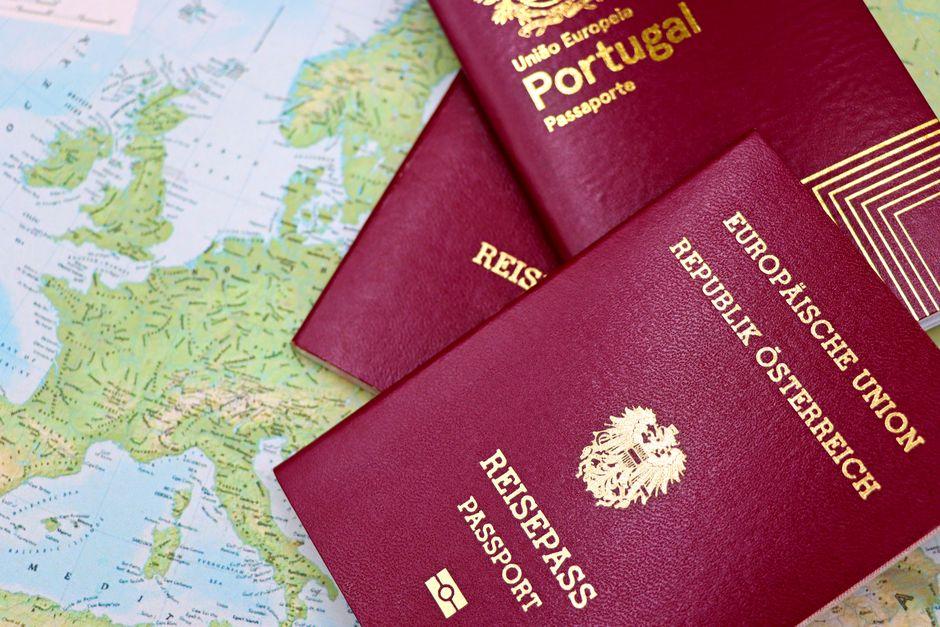
The Advantages and Potential Drawbacks of Holding Three Passports
Holding three passports can unlock significant advantages, especially for those navigating global mobility, business, or cultural ties. Among the key benefits is enhanced travel freedom: triple citizens often gain access to a wider range of visa-free or visa-on-arrival destinations, reducing bureaucratic hurdles and save time at borders. Additionally, having multiple citizenships can provide greater security and flexibility in terms of residency rights, work permits, and access to social services across different countries. In practical terms, it also allows individuals to optimize tax obligations, seek better education opportunities, or inherit property without legal restrictions that single citizenship might impose. Furthermore, triple citizenship can serve as a powerful tool for preserving cultural identity while maintaining connections to multiple homelands.
However, triple citizenship is not without its challenges. Managing legal responsibilities in three jurisdictions – including tax filings, military service requirements, and compliance with differing laws – can become complex and costly. Some countries prohibit or limit multiple citizenships, which may lead to inadvertent loss of nationality or diplomatic complications. For example, potential conflicts around dual loyalties or difficulties in political participation could arise. Moreover, emergency assistance from one country might be limited if another citizenship takes precedence. Before pursuing triple citizenship, it’s essential to weigh these risks carefully and consider consulting immigration or tax professionals to navigate the nuanced obligations effectively.
| Advantages | Potential Drawbacks |
|---|---|
| Broader travel and work options | Complex tax and legal obligations |
| Access to diverse social benefits | Possible military service requirements |
| Stronger cultural and familial ties | Risks of citizenship loss or diplomatic conflicts |
| Enhanced business and investment opportunities | Administrative burdens and documentation management |
Navigating the Legal and Practical Hurdles of Triple Nationality
Successfully requires a clear understanding of each country’s citizenship laws and how they interact. Unlike dual citizenship, where two national laws must be considered, triple citizenship often introduces complex scenarios involving conflicting legal obligations such as mandatory military service, tax liabilities, and civic duties. Some countries may not recognize multiple citizenships or may require formal renunciation before acquiring an additional nationality. Therefore, it is crucial to research visa requirements, residency obligations, and citizenship renewal procedures for all three countries involved. Additionally, factors like travel restrictions or diplomatic relations between these nations can affect your rights and freedoms as a triple citizen. Consulting with immigration attorneys or official consulates can help clarify specific legal roadblocks and ensure you comply with essential regulations.
On a practical level, managing documentation and official processes across three countries can become cumbersome. Consider creating a detailed system for tracking passports, national ID cards, and tax filings, especially since failing to meet administrative deadlines could jeopardize one or more citizenship statuses. To help visualize these challenges, here is a brief comparison of potential hurdles:
| Aspect | Potential Challenge | Recommendation |
|---|---|---|
| Military Service | Compulsory service in one or more countries | Research deferment options or exemptions early |
| Taxation | Double or triple tax filing requirements | Engage a tax advisor with international experience |
| Legal Conflicts | Incompatible nationality laws or citizenship renunciation demands | Verify bilateral agreements and legal standings before applying |
Emphasizing due diligence and ongoing management is essential. Maintaining open communication with the embassies and staying informed about legislative changes in each country can significantly reduce complications. Strategically weighing the benefits against legal and practical challenges helps determine if pursuing triple citizenship aligns with your long-term personal, professional, or familial goals.
How to Determine if You Qualify for Citizenship in Multiple Countries
Determining if you qualify for citizenship in multiple countries involves understanding the specific laws each country enforces regarding dual or multiple citizenship. Generally, eligibility depends on several factors such as descent (jus sanguinis), birth within a country’s territory (jus soli), naturalization processes, marriage, or long-term residency. Not all countries allow multiple citizenship, so your first step is to research each nation’s policies to confirm if they permit holding citizenship simultaneously. For example, some countries permit dual citizenship but restrict it beyond two nationalities, while others revoke previous citizenships upon naturalization. Key elements to consider include:
- Birthright Claims: Many countries grant citizenship based on your parents’ nationality; knowing your ancestry can unlock eligibility.
- Naturalization Requirements: These often involve residency duration, language proficiency, and knowledge of the country’s culture or laws.
- Legal Restrictions: Some countries prohibit multiple citizenships or require you to renounce previous ones, impacting your ability to hold triple citizenship.
- Dual Citizenship Agreements: Bilateral treaties can simplify acquiring and maintaining multiple citizenships between certain nations.
Below is a simplified comparison of how citizenship rules vary by common qualification routes. Use this framework to pinpoint the best options for your circumstances.
| Qualification Route | Typical Eligibility Criteria | Common Challenges |
|---|---|---|
| Descent (Jus Sanguinis) | Proof of parental or grandparental citizenship | Documenting lineage; some countries limit generations eligible |
| Birthright (Jus Soli) | Born on the country’s soil | Not all countries recognize jus soli; may require residency |
| Naturalization | Residency duration, language tests, cultural knowledge | Lengthy processes and possible renunciation of former citizenship |
| Marriage | Married to a citizen; residency requirements | Often requires extended residency; marriages may be scrutinized |
Common Myths About Triple Citizenship and What You Need to Know
One of the most persistent myths about triple citizenship is that it automatically grants unlimited rights and privileges without any obligations. In reality, holding citizenship in three countries often comes with complex legal responsibilities, such as tax filing requirements, mandatory military service, or adherence to national laws that may conflict across jurisdictions. Another common misconception is that triple citizenship is simply a matter of applying for passports from different countries; however, eligibility typically depends on specific criteria like descent, marriage, or naturalization processes that vary widely by country. It’s also important to dispel the belief that triple citizenship is universally allowed-many nations restrict or outright prohibit dual or multiple citizenships, which can lead to unintended loss of nationality or legal disputes.
When comparing triple citizenship to dual or single citizenship, one should consider the tangible benefits such as increased travel freedom, diverse business opportunities, and access to social services in multiple countries. However, these advantages come with challenges like negotiating conflicting legal systems or the risk of being subject to multiple tax regimes simultaneously. To navigate these complexities effectively, it’s recommended to:
- Consult immigration and tax professionals to understand each country’s rules and avoid pitfalls.
- Evaluate personal and professional goals to determine if the benefits outweigh administrative burdens.
- Research specific bilateral agreements between countries that can simplify or complicate citizenship rights.
| Myth | Reality |
|---|---|
| Triple citizenship guarantees unrestricted global mobility | Visa rules still apply depending on the country and purpose of travel |
| You can easily qualify for triple citizenship by applying to any country | Eligibility depends on strict legal criteria unique to each nation |
| Holding multiple citizenships means you pay taxes in only one country | You may have tax obligations in all countries of citizenship, depending on local laws |
To Conclude
In a world that grows increasingly interconnected, triple citizenship stands out as a remarkable gateway to embracing multiple identities and opportunities simultaneously. While it offers unparalleled benefits-from expanded travel freedom and economic prospects to enriched cultural ties-it also brings its unique set of challenges that require careful navigation. Whether motivated by heritage, ambition, or global mobility, understanding how to qualify for triple citizenship is the essential first step in turning this complex legal tapestry into a personal reality. Ultimately, triple citizenship is more than just a status; it’s a dynamic bridge linking past, present, and future across borders, inviting those who pursue it to live-and belong-on a truly global scale.




