
In an increasingly interconnected world, the concept of nationality is evolving beyond the simple idea of belonging to a single country. Multi nationality-holding citizenship in more than one nation-is becoming a common reality for many individuals who live, work, or have familial ties across borders. But what does it truly mean to possess multiple national identities? Beyond the legal definitions, there are nuanced benefits, responsibilities, and challenges that come with navigating dual or multiple citizenships. This article delves into the complexities of multi nationality, exploring its significance, advantages, and practical guidance for those seeking to embrace or understand this multifaceted status.
Exploring the Complex Identity of Multi Nationality and What It Truly Means
Multi nationality represents a complex tapestry of legal status, cultural identity, and personal experience. At its core, it means holding citizenship in more than one country simultaneously, but the implications extend far beyond administrative convenience. Individuals with multiple nationalities often navigate a unique cultural duality-or sometimes plurality-that blends languages, traditions, and social norms. This layered identity can foster a broader worldview and adaptability, but it may also create internal conflicts surrounding loyalty or belonging. For instance, a multi national person might feel strongly connected to one homeland’s values while legally bound to another’s responsibilities. Understanding this complexity is essential for anyone considering or living with multi nationality, as it shapes everything from civic duties and travel options to social integration and personal identity.
When evaluating multi nationality, it’s important to weigh both its benefits and challenges. On the positive side, it offers:
- Expanded mobility: Access to multiple passports can ease international travel and work opportunities.
- Economic advantages: Ability to own property, work, or access social services across countries.
- Cultural enrichment: Exposure to diverse customs and languages enriches personal growth.
However, multi nationality can also bring complications, such as dual tax obligations, military service requirements, or conflicting legal expectations. Comparing the policies of different countries reveals how multi nationality status is managed uniquely worldwide; while some countries permit unrestricted multi citizenship, others impose strict limitations or require renunciation of prior citizenships. Those navigating this landscape should carefully research the laws relevant to each nationality involved and seek expert advice where necessary to harmonize their multifaceted identities with legal realities.
| Aspect | Potential Benefits | Common Challenges |
|---|---|---|
| Travel Flexibility | Multiple passports reduce visa restrictions | Inconsistent recognition of citizenship by each country |
| Legal Rights & Obligations | Access to rights and protections in multiple states | Double taxation and military service conflicts |
| Cultural Identity | Rich multicultural heritage and language skills | Possible identity confusion or social alienation |
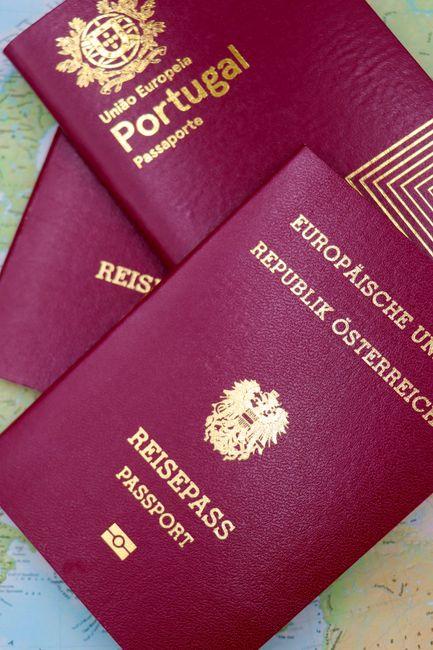
Advantages and Challenges of Holding Multiple Passports in a Connected World
Holding multiple passports in today’s globally interconnected world offers a unique blend of advantages and challenges that go beyond mere travel convenience. On the benefits side, dual or multiple citizenships can provide enhanced mobility, allowing holders to enter more countries without the hassle of frequent visa applications. This can open doors for business opportunities, education, and family reunification across borders. Additionally, multiple passports often offer access to better social services, healthcare, and legal protections from more than one nation. Financial flexibility is another perk, with passports enabling access to banking systems, investment options, and even tax benefits in different jurisdictions. Moreover, in times of political instability or economic uncertainty, having citizenship in more than one country can act as a significant safety net.
However, these advantages come paired with practical considerations and potential pitfalls. Not all countries permit multiple citizenship, which means holders must navigate complex legal frameworks that may require renouncing previous nationalities or dealing with conflicting obligations. Tax implications can become complicated as multiple citizenships might subject individuals to overlapping tax responsibilities, necessitating careful planning and professional advice. Dual nationals may also face challenges like military service requirements, inconsistent diplomatic protections, or bureaucratic hurdles related to passports and documentation. To manage these, it’s essential to:
- Understand the specific laws of each country regarding dual nationality
- Maintain clear documentation and stay compliant with diverse legal obligations
- Consult with immigration or tax experts to optimize benefits and minimize risks
- Consider personal circumstances, such as family ties and long-term residency plans
The following table summarizes key differences in rights and responsibilities between single and multiple passport holders:
| Aspect | Single Passport Holder | Multiple Passport Holder |
|---|---|---|
| Travel Freedom | Limited to one nation’s visa policies | Broader access, multiple visa waivers |
| Taxation | Taxed by one country | Potential dual tax liabilities, requiring careful planning |
| Legal Obligations | Obligations tied to one citizenship | Multiple legal commitments, including military or civic duties |
| Civic Rights | Access to one country’s political and social services | Access to multiple countries’ benefits, but also complex to manage |
How to Choose the Right Citizenship Strategy for Your Personal and Professional Life
Choosing the right citizenship strategy involves a clear understanding of your specific personal and professional goals, as well as the legal frameworks of the countries involved. Start by assessing what you value most: is it ease of global travel, access to better healthcare and education, business flexibility, or security in case of political instability? For instance, obtaining citizenship through naturalization can offer long-term benefits like voting rights and social services, but it usually requires residency and language proficiency. Conversely, citizenship by investment might speed up the process and provide advantageous tax planning, but often involves significant financial outlay. Consider also how dual or multiple citizenships are recognized by your home country, since some nations restrict or penalize dual status, which can lead to legal complications or loss of original citizenship.
To systematically weigh your options, create a clear comparison between potential citizenships based on critical factors:
| Factor | Naturalization | Investment Citizenship | Ancestral Citizenship |
|---|---|---|---|
| Time to Obtain | Several years of residency | Months, sometimes weeks | Varies, often quicker if proven lineage |
| Cost | Low to moderate (residency, application fees) | High (investment and fees) | Generally low (documentation and processing) |
| Legal Complexity | Moderate (language and integration requirements) | High (due diligence and regulations) | Low to moderate (proof of descent needed) |
| Benefits | Full civic rights and social benefits | Fast access to second passport | Reconnect with heritage; travel ease |
Additionally, reflect on potential challenges such as tax obligations, mandatory military service, and how multiple citizenships might impact your identity documentation or legal standing internationally. Consulting with immigration experts or legal advisors can ensure your choice aligns with both your current circumstances and future plans, helping you navigate complexities with confidence and optimize the tangible advantages of a well-selected citizenship strategy.
Common Myths About Dual Citizenship Debunked and Clarified
Myth 1: Dual citizenship means you must pay taxes twice. While it’s true that some countries tax citizens on their worldwide income, dual citizenship does not automatically lead to double taxation. Many countries have tax treaties or agreements in place to prevent this issue, allowing individuals to avoid being taxed twice on the same income. However, tax responsibilities depend heavily on each country’s laws, residency status, and the nature of your income streams. It’s essential to consult with a tax professional familiar with both jurisdictions to understand your specific obligations and potential benefits.
Myth 2: Holding multiple citizenships requires you to serve in multiple countries’ militaries or renounce one citizenship when reaching adulthood. Military conscription policies vary widely, and dual citizens are not universally bound to serve in all countries of citizenship. Many nations have exemptions, deferments, or alternative service options. Additionally, some countries require individuals who obtained citizenship as minors through parents to choose a single nationality by adulthood, while others allow lifelong dual citizenship without conflict. Understanding the particular laws and military service requirements of the involved countries is critical, as these aspects can impact long-term planning but do not pose automatic barriers for most people.
| Common Myth | Reality |
|---|---|
| Dual citizens cannot hold government jobs. | Some countries have restrictions, but many allow dual citizens in public service positions. |
| You have to give up one citizenship when applying for another. | Many countries permit dual or multiple citizenships, but it’s vital to verify individual country policies. |
- Recommendation: Always research and confirm the citizenship laws of both countries before pursuing dual nationality.
- Practical tip: Engage with legal experts or consular services to clarify rights, obligations, and benefits associated with holding multiple citizenships.
Practical Tips for Managing Legal and Cultural Aspects of Multiple Nationalities
Managing the legal and cultural dimensions of multiple nationalities requires a clear understanding of each country’s citizenship laws and obligations. Dual or multiple citizenship can come with diverse legal responsibilities, such as tax reporting, military service, or voting rights, which vary widely between nations. It’s crucial to consult official government resources or legal experts to ensure compliance with residency requirements, tax treaties, and potential conflicts in nationality law. For example, some countries automatically revoke a passport if another citizenship is acquired, while others allow dual citizenship without restrictions. Keeping clear documentation and staying updated on changes in policy can prevent surprises and secure your rights as a multi-national citizen.
On the cultural side, navigating multiple identities involves embracing the benefits of diverse heritage while managing potential challenges, like cultural misunderstandings or divided loyalties. Practical strategies include:
- Active engagement: Participate in community events and cultural organizations tied to each nationality to strengthen connections and foster a sense of belonging.
- Open communication: In personal and professional spaces, share your multicultural identity to build understanding and break down stereotypes.
- Continuous learning: Study language, history, and customs related to your multiple nationalities to deepen your cultural fluency.
| Legal Aspect | Key Consideration | Recommended Action |
|---|---|---|
| Tax Obligations | Filing requirements may overlap in countries | Consult cross-border tax experts; use treaties |
| Military Service | Mandatory service may apply in one country only | Verify deferment or exemption policies |
| Passport Validity | Some countries limit multi-passport use | Understand travel restrictions; carry required documents |
By strategically managing these legal duties and embracing cultural complexity, individuals with multiple nationalities can enjoy the freedoms and opportunities of diverse citizenships while minimizing conflicts or inconveniences.
In Summary
Embracing multinationality is more than just holding multiple passports; it is a bridge connecting diverse cultures, opportunities, and identities. As the world becomes increasingly interconnected, understanding the nuances of dual or multiple citizenship equips you with the tools to navigate a complex global landscape with confidence and clarity. Whether motivated by heritage, career, or personal growth, the journey through multinational status invites us to rethink belonging and broaden our horizons. Ultimately, it’s not just about where you’re from, but the multitude of places you can call home-and the rich experiences that come with them.




