
In an increasingly interconnected world, the concept of identity is evolving beyond borders and traditional definitions. Joint citizenship, a legal status that allows individuals to hold citizenship in two or more countries simultaneously, is gaining prominence as people navigate globalization, migration, and multicultural ties. But what exactly does joint citizenship mean? Beyond its basic definition, how does it shape rights, responsibilities, and opportunities? This article delves into the multifaceted nature of joint citizenship, exploring its meaning, uncovering its benefits, and examining the legal implications that come with wearing multiple national hats. Whether driven by personal heritage, economic prospects, or political freedom, understanding joint citizenship is key to grasping the complexities of modern identity and belonging.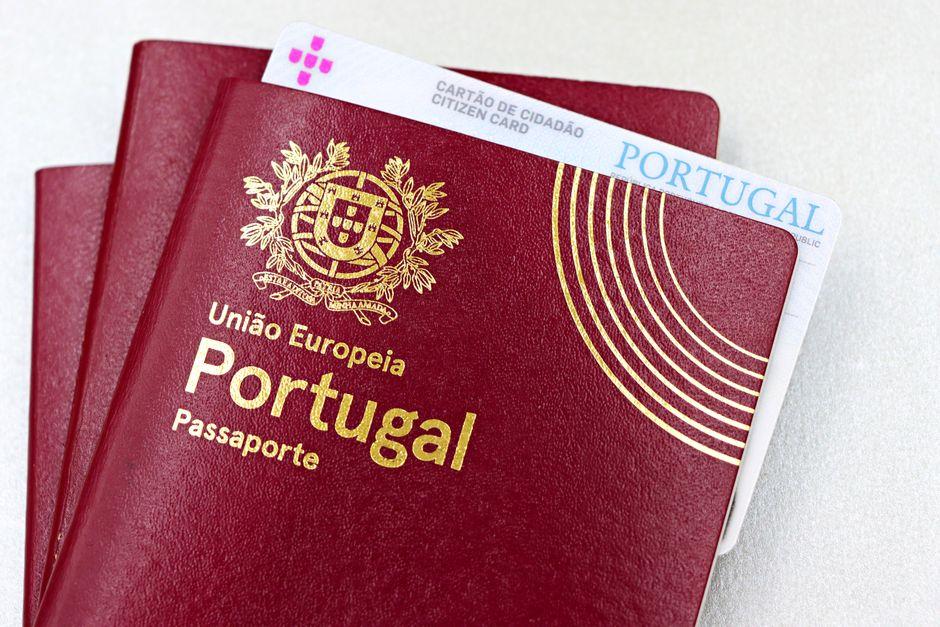
Understanding Joint Citizenship and How It Works in Today’s World
Joint citizenship, commonly known as dual or multiple citizenship, refers to an individual’s legal status as a citizen of two or more countries simultaneously. This situation arises when a person acquires citizenship through birthright, naturalization, marriage, or descent, and the laws of the countries involved permit holding multiple nationalities. Unlike simply holding a visa or residency permit, joint citizenship grants full civic rights, such as the ability to vote, work, and access social benefits in each country. However, the specific rights and responsibilities can vary widely depending on each nation’s legal framework, and some countries may impose restrictions or require exclusive allegiance. Understanding these nuances is essential for anyone considering or currently holding dual citizenship to navigate obligations such as taxation, military service, or diplomatic protection effectively.
The advantages of joint citizenship can be significant, often including
- Greater mobility: Ability to travel or reside freely across different regions without visa hassles.
- Access to social services: Eligibility for healthcare, education, and social security benefits in multiple countries.
- Economic opportunities: Easier employment, business investment, and property ownership rights abroad.
- Political participation: Eligibility to vote or run for office in each country of citizenship.
However, these benefits come with potential complications such as conflicting tax obligations, mandatory military service, or challenges in diplomatic protection if issues arise abroad. Countries also differ on whether they recognize joint citizenship or require individuals to renounce other nationalities. For example:
| Country | Dual Citizenship Policy | Key Considerations |
|---|---|---|
| United States | Allows dual citizenship | Requires tax filing; may require jury duty |
| Japan | Generally prohibits dual citizenship for adults | Mandatory choice by age 22 |
| Germany | Allows under specific circumstances | Often requires renouncing previous citizenship |
When considering joint citizenship, it is advisable to consult legal experts and thoroughly research both countries’ regulations to understand how it will affect your rights and duties. This ensures you can leverage the full potential of dual nationality while mitigating legal and practical challenges in today’s interconnected world.
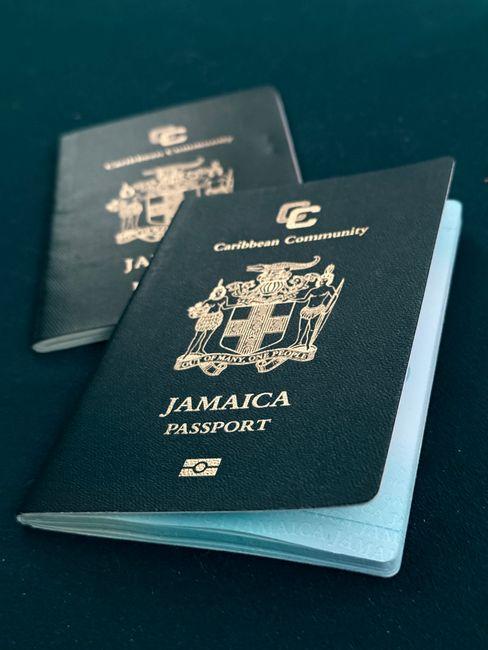
The Advantages and Potential Challenges of Holding Dual National Status
Holding dual national status, also known as joint citizenship, offers significant advantages that appeal to many individuals in our globalized world. One of the primary benefits is increased mobility; dual citizens can travel, live, and work freely between two countries without the typical visa restrictions that apply to non-citizens. This flexibility is especially valuable for business professionals, students, and families with cross-border ties. Furthermore, dual citizenship often provides access to a broader range of social services, educational opportunities, and healthcare systems, which can improve quality of life. Economically, dual citizens might benefit from favorable tax treaties or investment opportunities unavailable to foreign nationals. Additionally, holding two passports may provide a sense of security and personal identity, allowing individuals to maintain strong cultural and familial connections in both nations.
However, while joint citizenship presents many perks, it also comes with potential challenges that must be considered carefully. Dual nationals may face legal complexities such as conflicting tax obligations, military service requirements, or restrictions on political participation, especially if the two countries have differing laws or diplomatic tensions. For instance, some countries require compulsory military service that could affect dual citizens differently depending on their age or residency. Additionally, the question of loyalty can arise, with some governments scrutinizing the dual allegiance of citizens, which might lead to travel restrictions or difficulties in consular assistance during crises. It is equally important to understand that not all countries recognize dual citizenship; in some jurisdictions, acquiring a second nationality could lead to the automatic loss of the original citizenship. To navigate these complexities, experts recommend that individuals research both countries’ legal frameworks thoroughly and consult with immigration or legal professionals before pursuing dual citizenship.
| Advantages | Potential Challenges |
|---|---|
| Visa-free travel between two countries | Possible double taxation concerns |
| Access to public benefits and education | Compulsory military service obligations |
| Enhanced employment and business opportunities | Risk of losing original citizenship |
| Stronger cultural and familial ties | Complex legal and diplomatic situations |
Navigating the Legal Landscape Surrounding Multiple Citizenship Rights
Understanding the legal landscape surrounding multiple citizenship rights is crucial for anyone considering joint citizenship. Different countries have distinct laws governing dual or multiple nationality, and these laws can affect everything from taxation to military service. For instance, some nations fully recognize dual citizenship, allowing individuals to hold passports and enjoy rights from both states without losing either citizenship. Conversely, others require renunciation of prior citizenship upon naturalization, or they might have restrictions that limit political participation or employment in government roles for dual citizens. It’s important to research how each country involved handles these nuances to avoid legal conflicts or unintended consequences.
When navigating multiple citizenships, several key factors should be considered:
- Legal obligations: Dual citizens may be subject to tax laws, jury duty, or compulsory military service in both countries.
- Travel freedoms vs restrictions: While joint citizenship often eases international travel, some countries impose visa requirements or restrictions on dual nationals.
- Rights and protections: Consular support and legal protections can vary, especially if one citizenship conflicts with another due to geopolitical tensions.
| Country Stance | Example | Impact on Dual Citizens |
|---|---|---|
| Permissive | Canada | Allows full dual citizenship with rights to vote, work, and access social services. |
| Restrictive | Japan | Requires choosing one citizenship before the age of 22, limiting long-term dual nationality. |
| Conditional | Germany | Permits dual citizenship only within EU or if naturalization is impossible without losing original citizenship. |
Given these complexities, individuals should seek professional legal advice before pursuing joint citizenship, especially when involving multiple countries. Taking proactive steps can ensure compliance with all relevant laws while maximizing the benefits that come with holding more than one nationality.
Clarifying Common Myths About Joint Citizenship and Eligibility
One common myth about joint citizenship is that it automatically grants full rights and privileges from both countries without any complications. In reality, holding dual citizenship often comes with distinct legal responsibilities and limitations based on each country’s laws. For example, while you may enjoy the right to live, work, and vote in both nations, you may also be subject to taxes, military service requirements, or legal obligations in both places. Another misconception is that dual citizenship means you must always travel with both passports simultaneously, but laws vary: some countries require dual citizens to enter or exit with their national passport only, so it’s essential to understand travel regulations to avoid potential issues at borders.
Many people also assume that dual citizenship automatically makes them eligible for government benefits or social services in both countries, which isn’t necessarily true. Eligibility often depends on residency status rather than citizenship alone, and benefits may require meeting specific criteria such as minimum years of residence or contribution to social security. To clarify, here’s a quick comparison of benefits versus constraints in joint citizenship:
| Aspect | Typical Benefit | Potential Constraint |
|---|---|---|
| Travel | Greater visa-free access | Obliged to use certain passports at specific borders |
| Work & Residency | Right to work and live in both countries | May need to meet local registration rules each country |
| Legal Obligations | Protection under either country’s laws | Double taxation, military service, or legal conflicts |
Understanding these nuances helps prospective dual citizens make informed decisions and manage expectations realistically. Consultation with immigration experts or legal advisors is highly recommended to navigate the complex eligibility criteria and avoid misconceptions about what joint citizenship truly entails.
Factors to Consider When Deciding Whether to Pursue Joint Citizenship
- Legal Responsibilities and Obligations: Pursuing joint citizenship means you may be subject to the laws and duties of two countries, including tax filing requirements, military service obligations, and civic duties like voting. Understanding these responsibilities helps ensure compliance and avoid potential legal conflicts. For example, some countries tax citizens on worldwide income regardless of residency, which can complicate financial planning.
- Travel Flexibility vs. Potential Restrictions: Dual citizenship often enhances travel freedom by allowing passport holders easy access to multiple countries. However, it’s crucial to check if either nation imposes restrictions on dual citizens, such as mandatory entry with the country’s own passport or limitations on holding certain public offices. These nuances can affect your mobility and rights.
- Cultural and Personal Identity Considerations: Joint citizenship can strengthen your connection to different cultural heritages and communities, fostering a unique personal identity. Still, some may face challenges integrating dual legal and cultural norms, or feel pressure to align with one nationality over another in social and professional settings.
- Impact on Family and Future Generations: Dual citizenship can influence your children’s nationality options and inheritance rights, but it’s important to verify how citizenship laws are passed down. In some cases, dual citizenship may complicate international family matters such as custody or education.
| Factor | Benefits | Potential Drawbacks |
|---|---|---|
| Taxation | Access to tax treaties and benefits | Double taxation risk without proper planning |
| Military Service | Option to serve or opt out based on country rules | Possible mandatory service in one or both countries |
| Political Rights | Ability to vote and participate in two democracies | Restrictions on government jobs or political candidacy |
Closing Remarks
In the intricate tapestry of global identity, joint citizenship weaves together the threads of belonging, opportunity, and responsibility across borders. Understanding its meaning, exploring the benefits it offers, and navigating its legal nuances not only equips individuals but also enriches the broader conversation about citizenship in an increasingly interconnected world. As nations and people continue to evolve, joint citizenship remains a fascinating testament to the fluid nature of identity-both a bridge and a bond linking diverse lives and cultures under the shared umbrella of rights and duties. Whether as a passport to new horizons or a symbol of dual allegiance, its significance invites us all to consider what it truly means to belong.




