
In a world increasingly interconnected yet deeply rooted in tradition, the experience of holding dual nationality stands as a unique crossroads of identity, opportunity, and challenge. “Between Two Worlds: Navigating the Complexities and Blessings of Dual Nationality” invites readers to explore the multifaceted reality of living simultaneously within two national narratives. This journey reveals not only the tangible advantages-such as expanded horizons and cultural richness-but also the subtle tensions that arise when laws, loyalties, and personal histories intersect. As borders become more fluid and identities more layered, understanding the delicate balance of dual nationality offers a window into the evolving nature of belonging in the 21st century.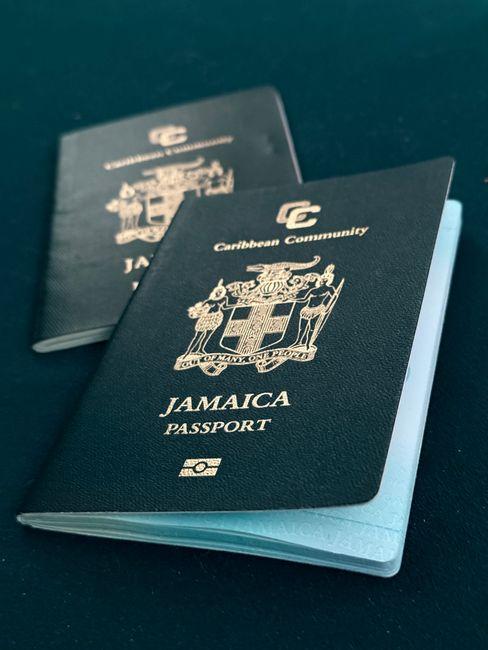
Roots in Two Lands A Personal Journey of Belonging and Identity
Growing up with dual nationality often feels like living with two maps, each pointing to a different homeland but neither fully capturing your own path. Take Maria, for instance, who spent her childhood summers in Brazil with her family and school years in the United States. The challenge wasn’t just the language switch or the cultural cues- it was the feeling of almost fitting in, but not entirely. At family gatherings in Brazil, she was seen as “the American girl,” while at school in the U.S., she was often labeled “the Brazilian kid.” These small moments created a tug-of-war inside her identity, sharpening her awareness that belonging isn’t just about geography but also about connection and acceptance. The expectations she had about feeling at home were often challenged by the reality that dual nationality is less about choosing one side over the other and more about embracing the paradox of being both and neither at the same time.
This journey also teaches unexpected lessons about flexibility and resilience. For example, when Amir, holding passports from both Jordan and Canada, had to decide where to pursue higher education, he initially expected a straightforward choice based on familiarity and convenience. Yet the decision became a reflection of his deeper desire to explore where he could truly contribute and grow- which was neither wholly Jordanian nor entirely Canadian but somewhere in the intersection of both experiences. Moments like these underscore the nuanced freedom of dual nationality: it opens doors but also requires navigating complex questions of identity and loyalty. Understanding this balance can empower individuals to create their own unique sense of belonging, blending traditions, values, and perspectives in ways that are richer and more multifaceted than any single nationality might offer.
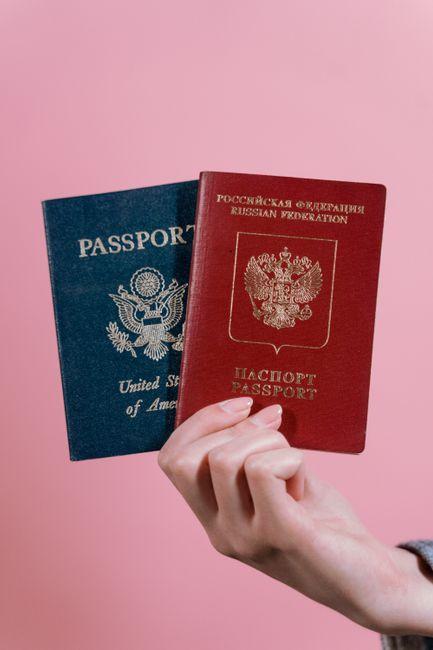
Crossroads of Culture How Dual Nationality Shapes Daily Choices and Connections
Maria, born to an Italian father and a Brazilian mother, often finds herself navigating a delicate dance between two cultural worlds-each pulling her in different directions as she makes everyday decisions. Take meal times, for example: her Italian family cherishes long, unhurried dinners filled with pasta and passionate conversation, while her Brazilian relatives prioritize vibrant gatherings with rich, spicy flavors and samba rhythms. Choosing what to cook or how to celebrate holidays isn’t just about taste; it’s a subtle negotiation between honoring tradition and personal preference. These everyday choices extend beyond food, shaping everything from work ethics, where punctuality might clash with a more relaxed mindset, to approaches in parenting, communication, and social interactions. Maria’s story illustrates how dual nationality weaves a complex web of expectations that both enrich and complicate daily life.
Consider the subtle but powerful influence of language: Rajesh, who holds British and Indian passports, often switches seamlessly between English and Hindi in conversations, yet each language unlocks different emotions, memories, and identity markers. For him, speaking one tongue frames interactions with formality and reserve, while the other invites warmth and spontaneity. Decision moments-such as which cultural norms govern workplace etiquette or which community events to attend-become exercises in balancing authenticity with belonging. These crossroads reveal underlying lessons on flexibility, empathy, and self-awareness. The contrast between expectations and lived reality isn’t about choosing “one over the other” but embracing a hybrid identity that redefines connection on a personal level, creating rich cultural mosaics rather than simple binaries.
- Daily decisions around language, food, and social customs often reflect deeper cultural ties
- Moments of tension highlight where dual identity challenges personal and familial expectations
- Adaptability in navigating these spaces fosters nuanced understanding and empathy
| Cultural Aspect | Typical Expectation | Dual Nationality Reality |
|---|---|---|
| Meal Times | Structured and formal (Italian) | Flexible and lively gatherings (Brazilian) |
| Communication | Reserved and polite (British) | Expressive and spontaneous (Indian) |
| Work Ethic | Strict punctuality | Balancing deadlines with relationship-building |
Unexpected Barriers When Bureaucracy and Loyalty Collide
Maria, a dual citizen of Italy and Canada, once faced an unexpected roadblock when applying for a government permit in her Italian hometown. Though she thought her Italian passport would guarantee smooth access, the local bureaucracy required paperwork that only a resident, not a dual citizen living abroad, could provide. Her loyalty to her ancestral land meant she wanted to contribute locally, but the rigid administrative system didn’t quite recognize the nuances of her situation. This clash between the formal rules and her personal identity forced her into a lengthy process of clarifying her status, often repeating explanations to officials unfamiliar with the concept of dual nationality.
Such scenarios aren’t isolated. Often, dual nationals find themselves stuck between two sets of expectations-loyalty to both countries intertwined with the procedural demands of each. Consider the following challenges:
- Conflicting documentation requirements: One country may ask for proof of continuous residence, while the other requires absence declarations.
- Mixed legal obligations: Taxes, military service, or civic duties can overlap or contradict.
- Emotional fatigue: Navigating these hurdles can feel like repeatedly proving where one truly belongs.
| Expectation | Reality |
|---|---|
| Seamless access due to dual nationality | Procedural delays because of unclear status in one country |
| Recognition of loyalty to both homelands | Rigid bureaucracies that prioritize one citizenship over the other |
| Support from both governments | Confusion and repeated clarifications across different agencies |
These unexpected barriers serve as lessons in patience and adaptability, reminding dual nationals that bureaucracy often operates in black-and-white, while identity is far more nuanced. By understanding these bureaucratic blind spots, one can better anticipate complications and prepare accordingly-balancing the legal frameworks without letting loyalty to either nation waver.
Finding Harmony Lessons in Embracing Complexity and Opportunity
Take Ana, a young architect born to Mexican and Canadian parents, who found herself juggling expectations from both familial worlds in her early career. When offered a prestigious project in Canada, she hesitated-not because of the opportunity itself, but because it meant moving away from her tightly knit Mexican family during a significant cultural festival. Initially, Ana expected this decision to simply require logistical coordination; instead, it opened up a deeper reflection on what it means to belong to two places at once. By embracing the complexity rather than choosing a single “home,” she learned to blend cultural traditions into her daily life, creating a unique professional identity that resonated internationally. This balancing act, often challenging and unpredictable, ultimately enriched her resilience and creativity.
Moments like Ana’s reveal a broader lesson: dual nationality is less about choosing sides and more about weaving disparate threads into a holistic identity. For many, expectations hold that one culture should dominate or that opportunities come without trade-offs. However, the lived realities often contrast sharply. Consider a brief look at these common challenges and their unexpected rewards:
| Expectation | Reality | Lesson Learned |
|---|---|---|
| Seamless integration into one culture | Ongoing negotiation between identities | Flexibility fosters deeper connection |
| Dual nationality guarantees widest opportunities | Opportunities sometimes come with cultural dilemmas | Weighing values clarifies true priorities |
| Belonging feels immediate and absolute | Sense of belonging evolves with experiences | Patience allows authentic identity formation |
- Embracing complexity means recognizing that identity isn’t static; it’s a continuous journey of negotiation and adaptation.
- Seizing opportunity requires openness to discomfort and learning, turning tensions into strengths.
Stories from the In-Between Voices That Illuminate the Blessings and Burdens of Dual Citizenship
- Maria’s Visa Crossroads: Born in Mexico but raised in Canada, Maria’s story offers a vivid glimpse into the daily juggling act of dual citizenship. When her aging parents needed medical attention, she faced a heart-wrenching choice: stay in Canada with her stable job or move to Mexico, where her citizenship eased access to healthcare but complicated her career trajectory. The expectation was straightforward-dual citizenship meant freedom of movement-but in reality, Maria found herself navigating tax complexities and residency requirements that made her decision far from simple. The lesson here? Dual nationality often requires weighing personal and professional priorities in ways that a single passport never would.
- Ahmed’s Identity Dilemma: Ahmed, a dual citizen of Egypt and the United States, reflects on the tension between cultural identity and societal perceptions. In Egypt, he’s seen as “too American,” facing suspicion among peers despite sharing a passport. In the U.S., he confronts stereotypes questioning his “true” belonging. His story illuminates a less tangible but deeply felt burden of dual nationality: the internal and external negotiation of belonging beyond legal paperwork. Through his journey, Ahmed learned that balancing two worlds isn’t just about legal rights, but also about reconciling how you are seen and how you see yourself.
| Scenario | Expectation | Reality | Key Takeaway |
|---|---|---|---|
| Maria’s move for healthcare | Seamless access to services due to dual citizenship | Complex tax and residency rules complicated decision | Dual nationality requires navigating bureaucracy alongside benefits |
| Ahmed’s cultural belonging | Feeling equally embraced in both countries | Experiences of mistrust and stereotyping in both places | Dual citizenship intersects deeply with identity and perception |
Insights and Conclusions
In the delicate dance of dual nationality, individuals find themselves weaving a rich tapestry of identity, belonging, and perspective. Caught between two worlds, they navigate complexities that challenge and shape them, while embracing blessings that broaden horizons and deepen understanding. As borders blur and cultures intertwine, the experience of living with dual nationality becomes not just a legal status, but a unique journey-one that invites us all to reconsider what it means to belong, to connect, and to carry multiple homes within a single heart.




