
In an increasingly interconnected world, the concept of identity often transcends borders, weaving together multiple cultures, languages, and legal systems. Dual national citizenship, once a rarity, is becoming a common reality for millions who find themselves connected to more than one homeland. But what does it truly mean to hold citizenship in two countries? Beyond the pride of belonging, dual citizenship carries a complex array of benefits, challenges, and legal nuances that can shape your rights and responsibilities in profound ways. This article takes you on a journey through the intricate landscape of dual national citizenship-exploring its advantages, the hurdles it presents, and the critical legal considerations to keep in mind. Whether you are contemplating acquiring a second citizenship or simply curious about this multifaceted status, understanding these elements is essential in navigating the global tapestry of belonging.
Exploring the Concept of Dual Citizenship and What It Means for You
Dual citizenship, also known as dual nationality, occurs when an individual is legally recognized as a citizen of two countries simultaneously. This status allows you to hold two passports, enjoy rights and responsibilities in both nations, and often benefit from easier travel, work, and residency options. However, dual citizenship isn’t just about having two passports; it involves navigating different legal frameworks, tax regimes, and civic duties. For example, while some countries require mandatory military service or tax filings regardless of your residence, others may impose restrictions on public office or government employment for dual nationals. Understanding these nuances is crucial before pursuing or accepting dual citizenship.
For those considering dual citizenship, it’s important to weigh the benefits and challenges carefully. On the plus side, dual nationals often have improved economic opportunities, enhanced cultural connections, and greater global mobility. Conversely, challenges may include conflicting legal obligations, potential taxation in both countries, or the risk of losing certain benefits if one state disallows dual citizenship altogether. The table below summarizes core aspects to compare:
| Aspect | Benefits | Challenges |
|---|---|---|
| Legal Rights | Access to social services, voting, and employment in two countries | Conflicting laws and obligations (e.g., military service) |
| Taxes | Potential tax advantages and deductions | Possible double taxation without treaties |
| Travel | Easier visa-free or visa-on-arrival travel across multiple countries | Sometimes required to use one passport for entry/exit |
| Cultural Identity | Stronger connection to heritage and family ties | May face identity conflicts or societal suspicion |
Before deciding to acquire or maintain dual citizenship, consult with legal or immigration experts to understand specific country regulations and how they might affect your personal and professional life. In some cases, renouncing citizenship in one country may be required, or there may be hidden consequences, such as restricted property ownership or eligibility for government benefits. Keeping informed will help you make the best choice tailored to your unique circumstances.
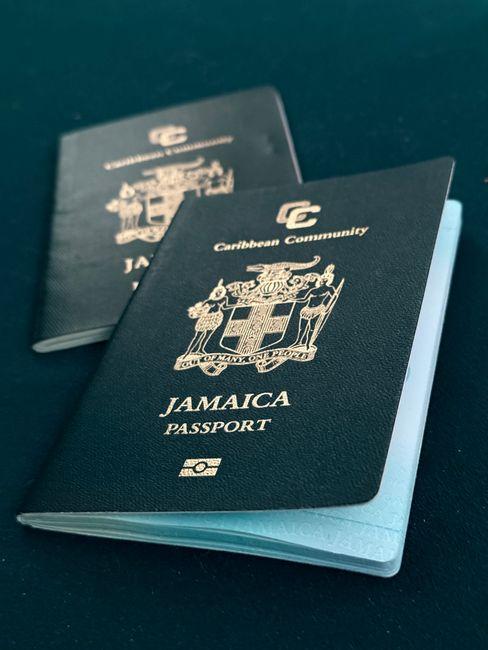
Advantages and Complications of Holding Two Nationalities
Holding two nationalities can offer significant advantages, especially for those who frequently navigate between different countries for work, family, or personal reasons. Dual citizenship often grants easier access to social services, education, and healthcare in both nations. Additionally, dual nationals may benefit from the right to vote and participate politically in both countries, enhancing their civic engagement. Another practical perk is the convenience of travel: dual citizens can use either passport to bypass visa requirements and entry restrictions, which can save time and money. Financially, they might take advantage of diverse tax treaties or investment opportunities available in each country. Importantly, the flexibility to live, work, or study without the usual immigration barriers can make dual citizenship a strategic asset for global mobility and broader cultural integration.
However, dual nationality also comes with some complications that individuals should carefully consider. Legal obligations, such as mandatory military service or dual taxation, can complicate one’s obligations and financial situation. Some countries require dual nationals to declare all worldwide income or assets, which could lead to higher or overlapping tax liabilities. The question of allegiance can also arise, with some governments expecting exclusive loyalty or placing restrictions on dual citizens holding public office or security clearances. Furthermore, maintaining two passports means managing different sets of laws, potential diplomatic protections, and the risk of conflicting legal systems, which may cause difficulties during disputes or legal proceedings. To navigate these challenges, it’s advisable to:
- Consult immigration and tax experts familiar with both countries’ laws
- Keep abreast of legal changes affecting dual nationals in each jurisdiction
- Understand the rights and duties explicitly connected to dual nationality in both nations
| Aspect | Advantages | Challenges |
|---|---|---|
| Travel | Visa-free access to more countries | Need to navigate entry/exit regulations for each passport |
| Legal Rights | Right to work, reside, vote in both countries | Complex tax filing and possible military service obligations |
| Identity | Broader cultural integration and belonging | Potential conflicts in national allegiance or diplomatic protection |
Navigating Legal Rules and Restrictions of Dual National Status
Understanding the legal rules and restrictions surrounding dual national status is critical to effectively navigate its complexities. Dual citizenship often means being subject to the laws and obligations of two countries simultaneously, which can lead to conflicts, especially regarding taxation, military service, and political participation. For instance, some nations may require dual nationals to pay taxes on worldwide income or fulfill mandatory military duties, regardless of their residence. Additionally, while one country might allow dual citizenship freely, another might impose restrictions or even revoke citizenship if certain conditions aren’t met. It is essential to review each country’s specific legal framework since these rules vary widely and can impact travel rights, inheritance laws, and even eligibility for government jobs.
Practical strategies to manage these legal challenges include:
- Clarifying legal responsibilities: Identify tax obligations, reporting requirements, and any conscription duties before pursuing or maintaining dual citizenship.
- Maintaining documentation: Keep passports and citizenship-related paperwork up to date and valid to avoid complications during international travel.
- Seeking professional advice: Consult with immigration attorneys or legal experts familiar with both countries’ laws to understand risks and rights fully.
- Being aware of country-specific restrictions: Some countries prohibit dual nationals from holding certain public offices or voting in elections.
| Legal Aspect | Common Restrictions | Potential Impact |
|---|---|---|
| Taxation | Double taxation treaties vary; failure to report income can lead to penalties | Financial burden, legal disputes |
| Military Service | Mandatory conscription may apply in one or both countries | Legal consequences, travel restrictions |
| Diplomatic Protection | Limited protections if detained abroad under the other nationality | Complications in seeking consular assistance |
| Political Rights | Restrictions on voting or holding public office | Limited political engagement in one or both countries |
Common Misunderstandings and Realities About Dual Citizenship
Common misconceptions about dual citizenship often stem from misunderstandings about its legal and personal implications. Many believe that holding dual nationality always results in conflicting loyalties or automatic double taxation, which is not necessarily true. For example, while dual citizens owe allegiance to two countries, most nations do not expect exclusive loyalty and recognize that rights and responsibilities may vary. Similarly, double taxation is generally avoided through treaties between countries, so individuals rarely pay income tax twice on the same earnings. Another frequent misunderstanding is that dual citizenship automatically grants the right to work, vote, or access social services in both countries without restrictions; however, these rights depend on each nation’s laws and may require residency or other qualifications.
To clarify the realities, consider this comparison of common concerns and facts about dual citizenship:
| Misunderstanding | Reality |
|---|---|
| Dual citizenship means you must serve in both countries’ militaries | Military service obligations depend on each country’s laws and agreements; some countries exempt dual nationals or have specific rules. |
| You automatically retain both citizenships for life | Some countries require you to formally maintain or renew citizenship; others may revoke citizenship under certain conditions. |
| Dual citizenship allows unrestricted travel between two countries | Travel rights vary, and visas or permits may still be necessary depending on your passports and destination policies. |
Recommendations for prospective dual citizens include thoroughly researching both countries’ laws, especially concerning taxation, military service, and political rights. Consulting legal experts or government resources ensures you understand benefits like ease of travel or property ownership, while also anticipating challenges such as filing taxes in multiple jurisdictions or managing conflicting legal obligations. Approaching dual citizenship with clear, factual knowledge helps maximize its advantages while minimizing unexpected difficulties.
Factors to Weigh When Considering Multiple National Allegiances
When considering multiple national allegiances, it’s essential to understand the practical implications beyond the appeal of dual citizenship’s perks. For instance, tax obligations may arise from each country of citizenship, leading to complex filing requirements and potential double taxation unless agreements exist between the involved nations. Additionally, military service duties could apply in one or both countries, which might affect long-term plans or obligations. Travelers should also weigh passport strength and visa access for each nationality, as this can impact freedom of movement globally. Understanding legal responsibilities such as voting rights and conscription laws, as well as how each country views dual nationals regarding protection abroad, can prevent unexpected complications.
Another critical consideration is how multiple citizenships influence personal identity and legal conflicts. Policies on renouncing nationalities differ widely, and some countries do not recognize dual citizenship, potentially forcing individuals to choose one nationality over another. Moreover, inheritance laws may vary significantly between countries, affecting estate planning for dual citizens. To better visualize these contrasts, the following table outlines key factors to assess when navigating multiple national allegiances:
| Factor | Potential Impact | Considerations |
|---|---|---|
| Taxation | Dual tax returns, possible double taxation | Verify tax treaties; consult financial advisors |
| Military Service | Compulsory service in one or more countries | Check age limits and exemptions |
| Legal Recognition | Some countries forbid dual citizenship | Research citizenship laws and renunciation policies |
| Travel | Passport access and visa-free entry vary | Evaluate passport strength and travel needs |
| Inheritance & Estate | Conflicting property and succession laws | Plan according to both countries’ legal frameworks |
In Conclusion
In the intricate mosaic of our globalized world, dual national citizenship stands as both a bridge and a balancing act-offering unique opportunities while posing distinct complexities. By understanding its benefits, challenges, and legal considerations, individuals can navigate this dual identity with clarity and confidence. Whether viewed as a gateway to broader horizons or a layered responsibility, dual citizenship invites us to rethink the meaning of belonging in an increasingly interconnected age. As laws evolve and societies shift, staying informed remains the key to embracing the full spectrum of this multifaceted status.




