In an increasingly interconnected world, the allure of securing citizenship through investment has transformed from a niche opportunity into a global trend. As borders blur and lifestyles become more dynamic, individuals and families are exploring innovative pathways to expand their horizons, safeguard their futures, and unlock new economic possibilities. In 2024, the landscape of citizenship-by-investment programs offers a diverse array of options – each with its unique blend of benefits, costs, and residency requirements. This article dives into the top countries leading this space, providing a clear comparison to help prospective investors navigate the complexities and make informed decisions on their journey to a second citizenship.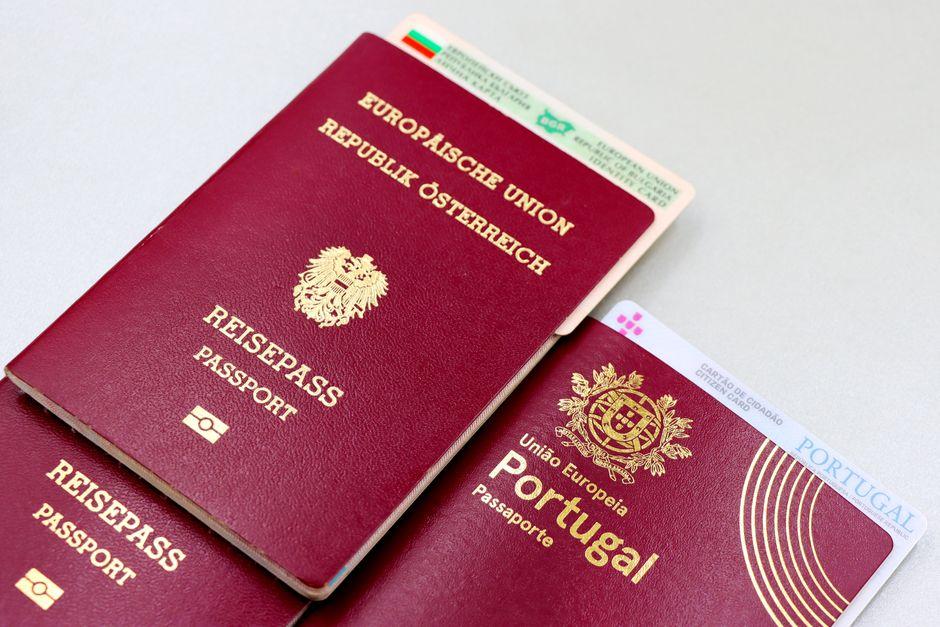
Understanding Citizenship by Investment and Its Growing Appeal
Citizenship by Investment (CBI) programs offer an expedited pathway to citizenship through direct financial contributions or investments in a host country. Unlike traditional naturalization, which can take years, CBI allows qualified investors and their families to secure passports-often within months-by meeting specific criteria such as real estate purchases, government bonds, or donations to state development funds. The growing appeal of CBI stems from its capacity to provide global mobility, enhanced personal security, and diversified economic opportunities without the usual residency requirements. Governments worldwide use CBI schemes not only to attract foreign capital but also to stimulate local economies and create jobs, making these programs mutually beneficial for investors and host countries alike.
Key benefits driving interest in Citizenship by Investment include:
- Visa-free travel: Access to numerous countries without the need for visas, boosting both business and leisure flexibility.
- Economic diversification: Opportunity to invest in emerging markets and benefit from local growth.
- Family inclusion: Many programs extend citizenship to dependents, including spouses and children, and sometimes even future generations.
- Privacy and security: Enhanced protection against political and economic instability in home countries.
| Aspect | Traditional Naturalization | Citizenship by Investment |
|---|---|---|
| Timeframe | Several years to decades | 3 to 12 months |
| Residency Requirement | Usually mandatory and long-term | Often waived or minimal |
| Financial Commitment | Generally no direct contribution required | Significant investment or donation needed |
| Eligibility | Based on residency, language, and integration | Based primarily on financial capacity and compliance |
Despite their appeal, potential applicants should consider issues such as strict due diligence checks, varying levels of international acceptance, and government changes that may affect program stability. It’s advisable to work with accredited agents or legal experts to navigate complex requirements and select the best fit among top CBI countries in 2024. These programs not only offer powerful travel options but also strategic financial and lifestyle advantages tailored to high-net-worth individuals seeking global citizenship solutions.
Weighing the Advantages and Drawbacks of Popular Passport Programs
When , it’s essential to factor in key elements such as investment requirements, processing times, travel freedom, and the legal framework for residency. For instance, Caribbean programs like Saint Kitts and Nevis offer relatively low minimum investments (starting around $150,000) with fast approval timelines under six months, making them attractive for those seeking quick citizenship. However, their visa-free access, while robust, typically doesn’t match the global reach of European Union programs such as Malta or Cyprus, which offer broader travel benefits but at significantly higher costs-often upward of €650,000-and longer residency obligations. Common concerns across many programs include potential due diligence delays, evolving compliance regulations, or the risk of program suspension, which can affect application security and investment liquidity.
To clarify the decision-making process, here’s a snapshot of typical benefits versus trade-offs across some top programs:
| Program | Investment Range | Processing Time | Visa-Free Access | Key Drawbacks |
|---|---|---|---|---|
| Saint Kitts & Nevis | $150,000+ | 4-6 months | ~156 countries | Limited EU access; small economy |
| Malta | €650,000+ | 12-24 months | 190+ countries | High cost; strict residence requirements |
| Turkey | $400,000+ | 6-9 months | ~110 countries | Limited visa-free access; regional instability |
Ultimately, the best citizenship by investment program depends on your priorities-whether that’s accelerated processing, global mobility, or cost efficiency. Prospective applicants should also consider the ongoing residency obligations and the political stability of the country when selecting a program. Consulting with trusted legal and financial advisors ensures your investment aligns with long-term goals without unforeseen complications.
How to Choose the Right Country for Your Investment and Residency Goals
Choosing the right country for your investment and residency goals requires a clear understanding of your priorities, budget, and long-term plans. Start by defining what matters most: is it visa-free travel, tax optimization, family inclusion, or fast processing times? Each country offers unique benefits-some prioritize extensive travel freedom through strong passports, while others boast lower investment thresholds or more favorable tax regimes. Factor in your preferred residency options, whether permanent, conditional, or citizenship by investment. Additionally, consider the political stability, quality of life, and legal framework surrounding property rights or business ownership, as these elements impact the security and utility of your investment.
To streamline your decision-making, compare countries across these critical dimensions:
- Investment Amount: Does the required contribution fit within your financial capacity?
- Processing Time: How quickly can you obtain residency or citizenship?
- Travel Benefits: What is the global mobility score of the passport or residency permit?
- Family Inclusion: Can dependents be included, and under what conditions?
- Tax Implications: Are there any direct or indirect tax advantages or risks?
| Country | Min. Investment | Processing Time | Visa-Free Countries | Residency Included |
|---|---|---|---|---|
| Malta | €750,000 | 12-14 months | 186 | Yes |
| Dominica | $100,000 | 3-4 months | 140+ | Yes |
| Portugal | €280,000 (Golden Visa) | 6-8 months | 185 | No (Residency only) |
Ultimately, the ideal choice hinges on striking a balance between cost-effectiveness and tangible benefits aligned with your lifestyle and future objectives. Engage with certified advisors to navigate legal nuances and ensure compliance, boosting both the feasibility and value of your selected investment pathway.
Clearing Up Common Myths About Buying Citizenship
When exploring citizenship-by-investment programs, many myths cloud the decision-making process, often creating misconceptions about costs, timelines, and benefits. One common misunderstanding is that buying citizenship guarantees a “quick fix” for residency and travel freedom. In reality, most reputable programs enforce rigorous due diligence and require several months before approval, clarifying that citizenship is not instantly granted upon investment. Additionally, citizenship-by-investment is not an arbitrary transaction-it usually demands a significant financial contribution, combined with proof of legal compliance and a clean criminal record. Contrary to the belief that all programs offer identical perks, benefits vary widely depending on the country, with some prioritizing visa-free access, others emphasizing tax advantages, and a few focusing on family inclusion or ease of residency.
Another prevalent misconception is equating second citizenship with tax evasion or financial secrecy. While some investors seek these outcomes, credible citizenship-by-investment countries maintain transparency and cooperate with international tax laws, ensuring compliance rather than hiding wealth. Potential applicants also frequently overestimate the ease of travel freedom; visa-free access typically covers specific regions-such as Europe’s Schengen Area or parts of the Caribbean-and not universal entry worldwide. To navigate these variables effectively, compare programs through factors like:
- Investment type and amount: Real estate, government bonds, or donations.
- Processing duration: From as short as 3 months to over a year.
- Visa-free travel scope: Number and quality of accessible countries.
- Residency obligations: Whether physical presence is mandatory before or after citizenship.
- Family inclusion: Eligibility to include spouse, children, or parents.
| Myth | Reality |
|---|---|
| Instant citizenship upon payment | Lengthy due diligence and approval processes are standard |
| All citizenship-by-investment programs offer equal benefits | Each country provides unique perks tailored to different needs |
| Second citizenship automatically bypasses tax obligations | Programs comply with global tax regulations and transparency |
Expert Tips for Navigating Costs and Legal Requirements in 2024
- Understand the legal framework upfront: Each country’s citizenship by investment program operates under distinct legal structures that dictate eligibility, documentation, and due diligence processes. Before initiating applications, familiarize yourself with key legal requirements such as minimum residency periods, investment thresholds, and background checks. Many countries update these regulations annually, so relying on outdated information can lead to application delays or outright rejection. Consulting with specialized immigration lawyers or licensed agents who track these changes ensures you meet all compliance standards efficiently.
- Budget comprehensively to include hidden or ancillary costs: Beyond the headline investment amount, factor in additional expenses such as government fees, legal and advisory charges, background verification costs, and potential tax implications post-citizenship. Some programs may also require ongoing financial commitments or property maintenance fees. To avoid surprises, create a detailed cost breakdown comparing total upfront and recurring expenses across target countries. This approach helps balance benefits like visa-free travel or dual citizenship allowances against the full investment scope.
| Common Cost Components | Description | Typical Range (USD) |
|---|---|---|
| Investment Contribution | Non-refundable donation or real estate purchase amount | $100,000-$2,000,000 |
| Due Diligence Fees | Background checks and vetting | $7,000-$15,000 |
| Government Processing Fees | Application and issuance charges | $10,000-$50,000 |
| Professional Advisory Costs | Legal and consultancy services | $5,000-$20,000 |
Future Outlook
As the landscape of global mobility continues to evolve, choosing the right citizenship by investment program in 2024 requires a careful balance of benefits, costs, and residency options. Whether seeking enhanced travel freedom, economic opportunity, or a new home base, each country presents a unique tapestry of possibilities. By weighing these factors thoughtfully, investors can make informed decisions that align with their personal and financial goals. Ultimately, the best program is one that not only opens doors but also feels like a true gateway to the future you envision.