
In a world increasingly defined by movement and connection, the concept of citizenship is evolving beyond a singular identity tied to one nation. Today, more individuals find themselves holding multiple passports-a tangible symbol of complex personal histories, global opportunities, and layered allegiances. Yet behind the seeming privilege of multiple citizenships lies a nuanced journey, full of legal labyrinths, cultural negotiations, and shifting loyalties. “Between Borders: Navigating the Complex Journey of Holding Multiple Citizenships” invites readers to explore the intricate realities faced by those who straddle nations, challenging us to rethink what it truly means to belong in a world without borders.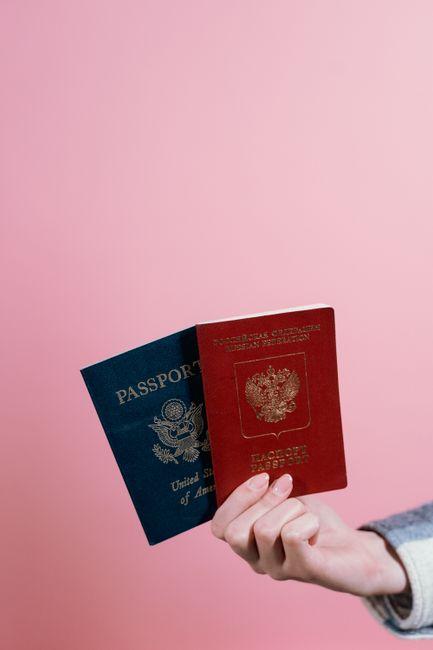
Crossing Lines and Ties where Identity Meets Legal Boundaries
Consider Maria, born to a French mother and a Brazilian father, who grew up in Canada. When she applied for her first passport, the intertwining of her identities suddenly confronted the cold logic of legal systems. While her heart felt boundless, the legal frameworks of citizenship demanded clear, distinct affiliations. Maria’s story is far from unique-many holding multiple citizenships find themselves navigating unexpected tests of loyalty and bureaucratic red tape, where their sense of belonging encounters restrictive nationality laws. For instance, she had to carefully weigh the implications of renouncing a citizenship to avoid compulsory military service, a decision laced with emotional conflict and uncertain future impacts on her family’s mobility. This highlighted the reality that multiple nationalities can sometimes mean juggling not just documents, but competing duties and unexpected limitations.
Take another example: Ahmed, a tech entrepreneur with US and Egyptian citizenship, who planned to expand his business across three continents. His expectation was that a dual passport would open seamless doors worldwide, but he soon encountered restrictive visa policies and conflicting tax obligations that complicated his ventures more than eased them. Decisions about where to live, register his company, or even pay taxes became puzzles with no one-size-fits-all answer. This reality check drives home one key lesson:
- Identity is fluid, but legal boundaries are rigid.
- Privileges of multiple citizenships often come with complex responsibilities.
- Understanding local laws is essential to truly benefit from your multi-national status.
| Expectation | Reality | Lesson Learned |
|---|---|---|
| Multiple passports mean more freedom of movement | Visa restrictions and legal conflicts can still limit travel | Check each country’s rules; freedom isn’t guaranteed by passports alone |
| Dual nationality simplifies taxation | It can double tax liabilities or cause complex filing requirements | Professional financial advice becomes crucial |
When One Passport is Not Enough A Story of Belonging and Bureaucracy
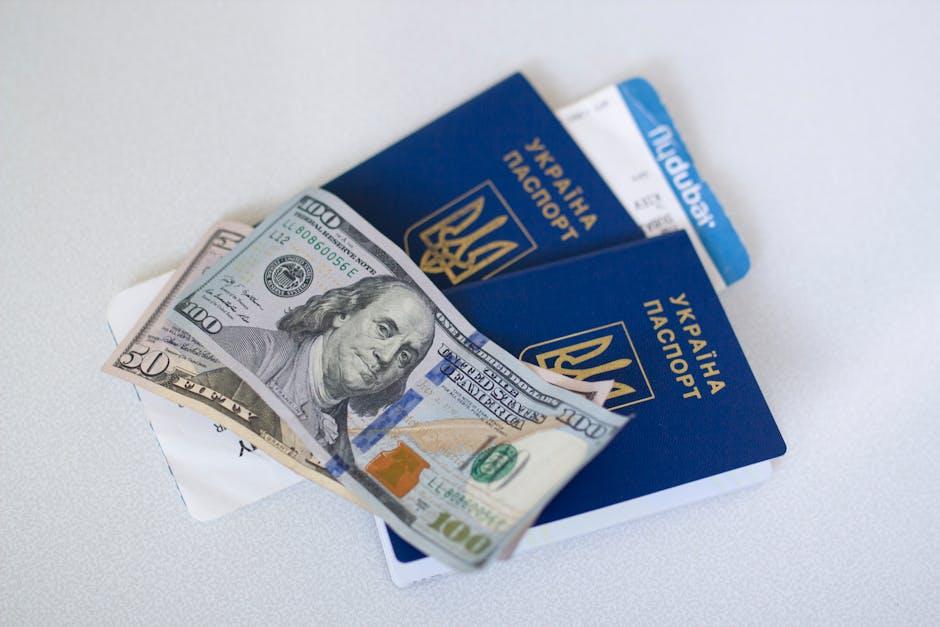
Maria’s journey began with a seemingly simple choice: reclaiming her grandmother’s citizenship to secure an EU passport. What started as a straightforward plan quickly morphed into a maze of legal documents, embassy visits, and translated birth certificates. Though Maria initially imagined that obtaining this second citizenship would open doors and offer seamless travel freedom, she soon encountered the complexities of dual obligations. For instance, while her new passport allowed visa-free travel across the EU, it also meant navigating unexpected tax declarations and military service eligibility rules in her country of origin-nuances that were nowhere near the romantic visions she had before.
In another instance, Raj faced an emotionally charged decision when his third citizenship application was approved. While multiple passports gave him flexibility for work and education, it also forced him to reconsider his sense of identity and where he truly “belonged.” His experience highlights key lessons for anyone pursuing multiple citizenships:
- Expect bureaucratic unpredictability: Timelines can vary drastically, and unexpected legal requirements may arise.
- Understand conflicting responsibilities: Dual citizenship sometimes means dual obligations-taxes, military duties, or legal liabilities.
- Balance emotional and practical gains: Holding multiple passports often leads to a hybrid identity, blending opportunities with the challenge of feeling fully rooted in one place.
| Expectation | Reality |
|---|---|
| Seamless travel everywhere | Freedom in some regions, restrictions or extra paperwork in others |
| Simple, quick citizenship process | Lengthy, document-heavy, emotionally draining |
| One clear national identity | Layered sense of belonging, sometimes conflicting loyalties |
The Balancing Act of Dual Loyalty and Practical Realities
Take Ana, for example, who holds citizenship in both Brazil and Portugal. Growing up with a foot in each culture, she felt a profound connection to both countries, celebrating Carnival with as much passion as she did Festa de São João. Yet, when political tensions flared in one country, she found herself caught in a difficult spot, torn between loyalty and pragmatism. In moments like these, the ideal of dual allegiance often meets the practical reality of conflicting expectations. Ana’s experience highlights how dual citizenship can sometimes mean navigating a delicate balancing act-not just of emotions but of legal responsibilities, such as tax obligations or mandatory military service. The heart wants unity, but the law demands clarity, forcing many to make nuanced decisions that weigh personal values against administrative demands.
This balancing act is further complicated by societal perceptions and personal identity. Consider Michael, a Canadian-American dual citizen who works in Toronto but frequently travels to the U.S. for family and business. He once assumed that holding two passports would effortlessly open doors, but he quickly learned that dual citizenship doesn’t always translate to seamless privileges. Varying visa requirements, tax filings in two countries, and shifting political landscapes often forced him to reconsider his plans. As Michael’s story illustrates, holding multiple citizenships isn’t just about added freedom-it’s about managing expectations versus realities. Here’s a quick look at some of the core contrasts many dual citizens encounter:
| Expectation | Practical Reality |
|---|---|
| Full legal protection in both countries | Obligations like taxes and military service may apply simultaneously |
| Unrestricted travel and work rights | Visas and work permits can still be required, depending on local laws |
| Clear sense of belonging to both nations | Cultural, political, and social clashes can create conflicting identities |
In response, dual citizens often develop a form of cultural and legal agility-a readiness to shift priorities according to context, whether that means choosing which passport to use at a border or deciding where to pay taxes. This constant negotiation teaches valuable lessons about flexibility and awareness, proving that while dual citizenship offers unique opportunities, it also demands a thoughtful, ongoing balancing act between personal loyalties and the practicalities of real-world governance.
Lessons from Lives Spanning Continents and Cultures
Consider Ana, who was born in Brazil, raised in Canada, and later acquired Italian citizenship through her grandparents. For Ana, traveling between continents meant more than just packing a suitcase-it involved navigating conflicting tax laws, unexpected visa requirements, and the emotional complexity of belonging to multiple places yet feeling fully rooted in none. When she decided to open a small business in Milan, the practical benefits of her EU passport became clear: she could access banking, legal, and health services more seamlessly than other foreigners. Yet, Ana also learned that citizenship isn’t just a bureaucratic tool; it’s a lens through which diverse cultures and histories overlap. Balancing the pride of her Brazilian roots with the social expectations in Italy and the multicultural vibe of Canada sometimes clashed, forcing her to continuously redefine her identity in tandem with her legal citizenships.
Meanwhile, take Jamal, who grew up in Kenya but gained U.S. citizenship through naturalization. Initially, Jamal anticipated that holding a U.S. passport would instantly open doors globally. Instead, he discovered that some countries required lengthy visas despite his American status-a contrast to the ease he had previously experienced visiting neighboring African nations with his Kenyan passport. On a personal level, Jamal faced tough decisions when choosing which nationality to pass on to his children in a country that allowed dual citizenship but imposed strict rules on cultural assimilation and language. His story highlights a critical lesson: multiple citizenships don’t always equate to unrestricted mobility or a straightforward sense of belonging. Instead, they require continuous negotiation of legal frameworks, cultural expectations, and sometimes, sacrifices that underscore the complex dance between borders and personal identity.
| Aspect | Expectation | Reality |
|---|---|---|
| Mobility | Effortless global travel with multiple passports | Varied visa requirements and restrictions depending on destination |
| Identity | Strong connection to all countries of citizenship | Fluid, often conflicting senses of belonging |
| Legal Benefits | Access to services and rights in all countries | Complex eligibility rules and paperwork |
- Key takeaway: Multiple citizenships offer valuable opportunities but also demand adaptability and informed choices.
- Human element: The emotional landscape is as intricate as the legal one.
Unseen Challenges and Unexpected Freedoms in Holding Multiple Citizenships
Anna, who holds citizenships in Germany, Brazil, and Canada, once found herself at a crossroads while planning a business trip. She expected her multiple passports to simply act as VIP passes, smoothing every border crossing. Yet, when she arrived at São Paulo airport, she was unexpectedly detained for extra questioning because Brazilian authorities were puzzled about her dual status. It was a sharp reminder that holding multiple passports doesn’t always translate to unbounded freedom; sometimes, it multiplies the bureaucratic hoops rather than eliminates them. The challenge unfolded further as she realized she needed to sift through three different tax systems, each with its own residency rules and deadlines. This moment of decision was crucial: she had to carefully choose which country to declare tax residency in to avoid double taxation, using expert advice to navigate the nuances. Her journey reveals a fundamental lesson – citizenships can be both key and cage, and navigating them requires constant vigilance and adaptability.
Conversely, the same patchwork of allegiances also offered Anna unexpected liberations. When political unrest erupted in one country, her other passports provided safe harbors, underscoring how multiple citizenships can act as a personal safety net. She recounted times she could switch back to a quieter, more familiar legal context with fewer travel restrictions – a privilege few possess. Yet, this freedom often comes with a price: complex legal obligations and sometimes conflicting loyalties. A simple contrast table that she kept in her travel journal encapsulated the balancing act:
| Country | Freedom Afforded | Challenge Faced |
|---|---|---|
| Germany | Strong passport power, EU mobility | Strict tax reporting |
| Brazil | Home-country rights, easy access to local networks | Unexpected customs checks, dual obligations |
| Canada | Security and healthcare benefits | Residency requirements to maintain citizenship |
- Lesson: Each citizenship is a unique ecosystem-mastery means engaging with all their distinct rules, advantages, and constraints.
- Decision Moment: Choosing when and where to use a particular passport can be a strategic move rather than a simple formality.
Wrapping Up
As the world grows ever more interconnected, the tapestry of identity woven through multiple citizenships becomes both richer and more intricate. Navigating this complex journey requires more than just legal understanding-it calls for embracing the fluidity of belonging, culture, and opportunity. Between borders, individuals stand at unique crossroads, carrying pieces of diverse homes within them. In recognizing these layered identities, we glimpse not only the challenges but also the profound possibilities that lie in a life lived beyond singular definitions. The journey of holding multiple citizenships is, above all, a testament to the evolving nature of identity in our global age.




