
In a world where borders often define opportunity, a growing number of individuals are rewriting the rules of belonging and ambition. The choice to pursue investment citizenship is more than a financial decision-it is a profound journey marked by hope, strategy, and the quest for new beginnings. “Crossing Borders and Building Futures” delves beyond the glossy brochures and headlines, revealing the nuanced stories of those who navigate complex landscapes to unlock doors to safety, freedom, and prosperity. This article explores the real journeys behind investment citizenship choices, illuminating the human experiences that lie at the intersection of wealth, identity, and aspiration.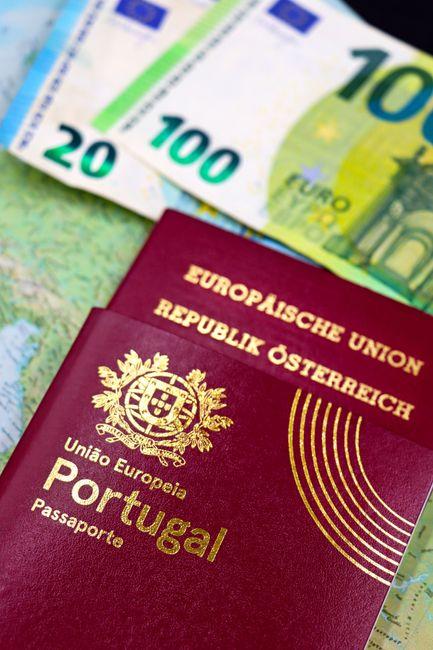
Navigating Personal Motivations in the Quest for Investment Citizenship
- Maria’s pragmatic pivot: When Maria first explored investment citizenship, she imagined a seamless gateway to global education opportunities for her children. She pictured smooth visa-free travel and quick access to top universities. Yet, the process unveiled complexities-bureaucratic hurdles, lengthy due diligence, and unexpected financial commitments beyond the initial investment. Through this detour, Maria realized her motivation was less about status and more about securing long-term stability for her family. Her story highlights a critical lesson: expectations often shift as the journey unfolds, prompting a reassessment of personal goals versus procedural realities.
- The entrepreneurial edge of Rajiv: Rajiv’s motivation stemmed from business agility. As a tech entrepreneur with a rapidly growing company, he sought citizenship in a jurisdiction that offered both favorable tax policies and access to emerging markets. Unlike Maria, his focus was sharply strategic-but even then, he encountered unforeseen tradeoffs. The allure of a low-tax regime was balanced by tighter compliance requirements and lifestyle adjustments that affected his personal wellbeing. Rajiv learned that investment citizenship isn’t merely a checkbox for entrepreneurs; it’s a nuanced alignment of global finance, personal freedom, and practical living conditions. His experience underscores the value of reviewing motivations regularly to ensure they still resonate amid evolving circumstances.
| Motivation | Initial Expectation | Reality Check | Key Takeaway |
|---|---|---|---|
| Family security | Seamless access to international education | Administrative delays, added financial layers | Adapt goals as practicalities emerge |
| Business mobility | Tax efficiency and market flexibility | Increased compliance, lifestyle compromises | Balance financial benefits with living realities |
Confronting Legal and Cultural Barriers along the Way
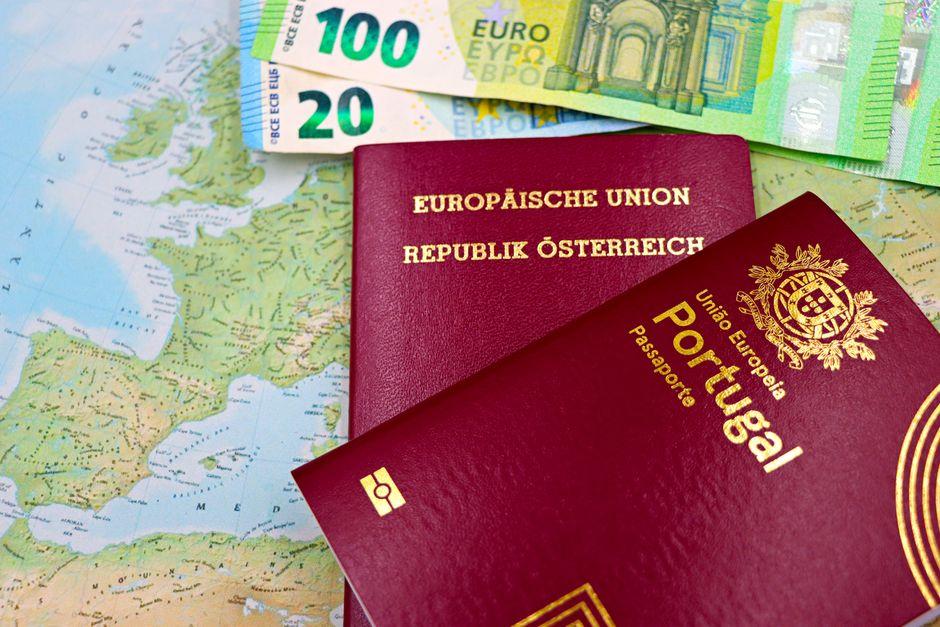
When Maria, a successful entrepreneur from Brazil, first considered investment citizenship in Portugal, she imagined a straightforward process that would unlock European markets and lifestyle perks for her family. However, she quickly found herself tangled in a maze of legalese and cultural nuances. The legal barriers-ranging from opaque residency requirements to unexpectedly long approval times-demanded patience and adaptability. Maria’s story echoes that of many investors who are initially overwhelmed by the intricate compliance checks, including anti-money laundering (AML) regulations and source of funds verifications, which differ widely between jurisdictions. Each cross-border move involves not only understanding complex laws but also mastering the delicate art of local relationship-building, often with language barriers adding another layer of difficulty.
Consider Ajay, an Indian businessman pursuing citizenship through Malta’s Individual Investor Programme. While initial government communications promised a seamless transformation, Ajay encountered contrasting realities: cultural expectations around documentation standards, periodic face-to-face interviews, and stringent scrutiny that challenged even his comprehensive paperwork. His decision point came when choosing between legal counsel options-local experts with deep cultural insights or international firms with global scope but less hands-on regional experience. His lesson became clear: success lies not solely in meeting written requirements but in embracing the local process, norms, and timelines with a collaborative mindset. Below is a breakdown of common cultural and legal hurdles faced by applicants:
- Legal Complexity: Varies by country, including residency thresholds, investment types, and application stages.
- Documentation Standards: Differences in notarization, translations, and authentication methods.
- Communication Styles: Formal versus informal exchanges, expectations for directness or diplomacy.
- Timing and Patience: Government procedures may stretch far beyond initial estimates.
| Barrier | Expectation | Reality | Adaptive Strategy |
|---|---|---|---|
| Residency Requirement | Minimal physical presence | Monthly check-ins or longer stays requested | Schedule regular visits aligned with local holidays and business hours |
| Documentation | Simple notarized copies | Extensive legalization and multi-language translations required | Engage certified translators and local legal advisers early |
| Government Communication | Quick email responses | Formal procedures with in-person submissions | Build rapport through personal meetings and formal correspondence |
Turning Points That Redefine Expectations and Opportunities
- When Opportunity Meets Uncertainty: Take the example of Elena, a tech entrepreneur from Eastern Europe who initially pursued investment citizenship to accelerate her startup’s access to international markets. She expected a straightforward process leading to a neat passport and business visas. However, midway through her application, shifting regulations in both her target country and her home nation forced her to pause and reassess. The real turning point came when she realized that the citizenship route was not just about paperwork but about engaging with a new socio-economic ecosystem-networking, understanding local business climates, and embracing cultural shifts. This pivot transformed her aspirations, leading her to build meaningful local partnerships that ultimately expanded her startup more effectively than she had anticipated.
- Reframing the Outcome Beyond Borders: Contrast this with Raj and Priya, a couple from South Asia who pursued investment citizenship primarily for the educational opportunities it promised their children. They navigated a complex process filled with financial scrutiny and legal hurdles but anticipated straightforward entry into top universities. Instead, their turning point was discovering that citizenship itself wasn’t a guaranteed key; it was the preparation and adaptation they invested in after crossing the border that unlocked true potential-such as understanding academic systems, forging mentor relationships, and adapting culturally. Their experience underscores a pivotal lesson: the tangible benefits of investment citizenship arise not just from crossing borders on a document, but from the personal and strategic shifts that redefine what “opportunity” truly means.
| Expectation | Turning Point | Result |
|---|---|---|
| Straightforward citizenship process | Regulatory changes prompted reassessment | Built local partnerships enhancing business growth |
| Guaranteed university access | Needed cultural and academic adaptation | Created mentor networks and tailored academic plans |
Lessons Learned from Diverse Immigrant Experiences
- Maria’s Quest for Stability: Originally from Venezuela, Maria sought investment citizenship not just for tax advantages but as a shield against political volatility. Like many in similar positions, her initial expectation was a seamless transition to a new life abroad. However, she quickly discovered that securing citizenship was only the first step. Navigating local customs, integrating into the community, and accessing healthcare services posed unexpected challenges. Her learning curve highlighted the importance of thorough due diligence-not only on legal fronts but also on social infrastructure and quality of life factors before making a final decision. This broadened perspective reshaped her approach, emphasizing adaptability and continuous local engagement as key to truly building a new future.
- Ahmed’s Entrepreneurial Ambitions: For Ahmed, a tech entrepreneur from the Middle East, investment citizenship was intertwined with ambitions of expanding his business footprint globally. His choice was deliberate-favoring countries with robust investment climates and startup ecosystems. Initially, Ahmed underestimated the nuances of regulatory differences, such as labor laws and investor protections, which varied widely compared to his home country. The mismatch between his expectations and the reality of operational hurdles underscored a critical lesson: investment citizenship is a strategic tool, but it demands ongoing learning and adjustment. Through trial and error, Ahmed came to value local partnerships and sought professional advice regularly, turning his citizenship into a gateway for sustained growth rather than a mere legal status.
Long Term Impacts on Identity and Economic Stability
- Maria’s Experience: When Maria, a tech entrepreneur from Brazil, acquired citizenship through investment in Portugal, she pictured seamless access to the European market and a stable base for her family. Over time, however, Maria found that the cultural adjustment was more profound than anticipated. She wrestled with a dual sense of belonging-on one hand, her roots remained firmly planted in Brazil; on the other, her daily life, professional growth, and children’s education were now entwined with Portuguese society. This evolving identity is a common thread among investment citizens, revealing a nuanced balance between embracing a new nationality and maintaining original cultural ties.
- Economic Stability vs. Market Volatility: Consider David, who diversified his assets by investing in a Caribbean citizenship program. Initially, his financial stability increased, with the passport opening doors to global business opportunities and tax advantages. Yet, the volatility of international markets and changing government regulations meant David had to continuously adapt his investment strategies. His experience speaks to a larger truth: while investment citizenship can provide a solid foundation, long-term economic stability requires ongoing vigilance and flexibility.
| Expectation | Reality | Lesson Learned |
|---|---|---|
| Instant feeling of full integration | Gradual cultural adaptation with identity challenges | Give space for dual identities to coexist and evolve |
| Stable financial growth without intervention | Need for active portfolio management and compliance awareness | Long-term stability demands ongoing engagement and learning |
The Way Forward
As the sun sets on the stories of those who dare to cross borders for new beginnings, we are reminded that investment citizenship goes far beyond paperwork and policies. It is a deeply human journey-woven with hope, ambition, and the pursuit of opportunity. Behind every passport lies a narrative of resilience and transformation, a testament to the endless ways people shape their futures in an ever-connected world. In embracing these journeys, we not only redefine nationality but also celebrate the boundless potential of individuals forging paths toward brighter horizons.




