
In a world increasingly defined by borders and boundaries, the experience of holding two passports is a journey through parallel lives. For American dual citizens, identity is not a fixed point but a bridge between cultures, histories, and expectations. Navigating this complex landscape means balancing the pride of belonging with the challenge of reconciling differing loyalties. Between Two Flags explores the nuanced realities of living in the space where two nations converge, offering insight into how dual citizenship shapes one’s sense of self and belonging in a globalized era.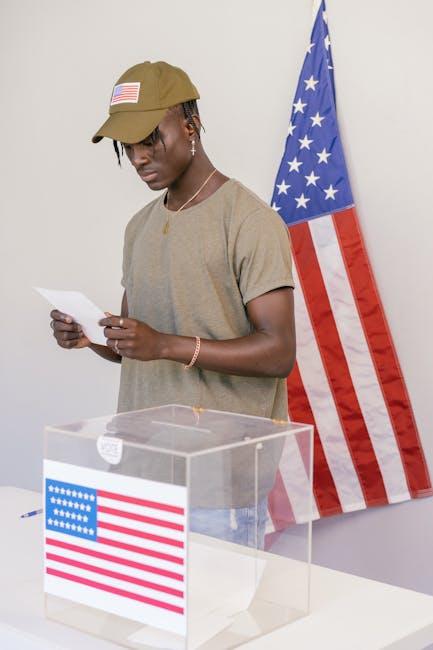
Straddling Two Homelands in Everyday Moments
There’s a quiet tension in everyday moments when you’re living between two worlds. Take, for example, the simple act of celebrating holidays. In one American household, July 4th barbecue traditions were all about fireworks and baseball, while back in the other country, an emphasis on family gatherings and specific rituals felt equally important. For dual citizens, it’s not just choosing one holiday over the other but learning to blend two sets of expectations—sometimes clashing, sometimes complementing. One friend shared how they once hesitated over which flag to display on their front porch on Independence Day, wondering if it would come off as disloyal or confusing. These small acts—what flag to buy, where to hang it, which anthem to hum—build daily negotiations of identity that shape how one feels seen and grounded in these shared spaces.
Decisions often ripple further than anticipated. Consider a weekend grocery trip where the shopper instinctively reaches for a familiar snack from one homeland but pauses, recalling that their family back home might never understand the taste or packaging. Moments like these crystallize the subtle but real cultural gaps dual citizens navigate. What seems like a minor choice to an outsider becomes a reminder of belonging to two places but fully to neither, triggering reflection on personal ties and identity. From language slips at a casual dinner to bilingual scolding tones from parents, the everyday dance between cultures is a nuanced balancing act. This liminal experience teaches resilience and empathy, as well as the value of embracing complexity over simple binaries.
The Quiet Negotiation of Cultural Expectations
In the subtle spaces between family dinners and casual conversations, dual citizens often find themselves engaged in what might be called a quiet negotiation of cultural expectations. Imagine Sarah, whose parents emigrated from Mexico but who was born and raised in the U.S. She cherishes her American independence but also feels an unspoken pressure to uphold traditions like attending large family gatherings and celebrating Día de los Muertos. This push and pull isn’t always loud or confrontational; rather, it’s woven into the fabric of everyday life decisions. Sarah might decide to speak perfect Spanish at home but opts for English at school to fit in, learning early on that fluency in both languages is not just about communication but about signaling where she belongs—and, sometimes, where she doesn’t.
These moments multiply across interactions, from how to dress for a holiday to whether to express disagreement openly or maintain harmony. Consider Ahmed, who navigates between the American value of directness and the more reserved communication style preferred by his Jordanian relatives. When he pushes back in a family discussion, aiming for honest clarity, he often sees raised eyebrows or polite silence. These experiences highlight a deeper lesson: cultural expectations are rarely binary. They exist in complex, overlapping layers that require constant recalibration. The negotiation might look like this:
| Expectation | Typical Dual Citizen Response | Resulting Tension or Harmony |
|---|---|---|
| Individualism (American) | Asserting personal choice in career or relationships | May frustrate family expectations for collective decision-making |
| Collectivism (Other culture) | Prioritizing extended family needs over own desire | Can lead to feelings of personal sacrifice or compromised identity |
| Communication Style | Balancing directness with respect and deference | Negotiates between being heard and maintaining peace |
Ultimately, this negotiation shapes how dual citizens define belonging—not as a fixed point but as a flexible space where they learn to read, interpret, and select among cultural cues. It’s a daily, often unspoken process that requires patience and empathy, both toward others and within themselves.
When Beliefs Collide What Dual Identity Teaches Us
Imagine Sarah, born in the U.S. to Mexican parents, holding dual citizenship. At a family gathering, a conversation about political views takes a sharp turn when her American relatives emphasize individualism and self-reliance, while her extended Mexican family stresses communal responsibility and social solidarity. Sarah finds herself caught between two deeply ingrained worldviews, each shaping her identity in fundamental ways. These moments, where beliefs clash, push dual citizens like her to rethink what belonging truly means—not just to a flag or a passport, but to the values that guide their daily decisions. It’s a delicate balancing act that unexpectedly broadens perspectives while highlighting the sometimes painful trade-offs between loyalty and critical thought.
What dual identity teaches us is that conflict doesn’t always fracture identity; it often enriches it. Navigating these tensions involves constant negotiation and self-reflection, which can initially feel exhausting but ultimately leads to a more nuanced understanding of self. For example, when James found himself deciding whether to register for the U.S. or Canadian draft (a hypothetical scenario for dual citizenship dilemmas), he realized the decision wasn’t about choosing one country over the other but about interpreting what citizenship meant in a personal and ethical context. Here’s a glimpse of the typical internal dialogue:
| Expectation | Reality |
|---|---|
| Dual citizenship means having double the rights. | It often means double the dilemmas, especially when laws or cultural expectations diverge. |
| Both countries will always view you as one of their own. | Sometimes, dual citizens can feel like outsiders in both places. |
| A straightforward allegiance to one flag in times of crisis. | Often, conflicting loyalties require thoughtful problem-solving and compromise. |
- Lesson 1: The collision of beliefs forces an internal dialogue that sharpens critical thinking.
- Lesson 2: Dual identity cultivates empathy by helping individuals appreciate multiple viewpoints.
- Lesson 3: Navigating two cultures simultaneously builds resilience against simple categorizations.
Navigating Loyalty Beyond Borders
When Maria first moved between Mexico and the U.S. as a dual citizen, she didn’t anticipate the subtle complexities of loyalty that would emerge. At family gatherings, she often found herself caught between two worlds—each with its own cultural values and political conversations. Choosing where to voice her opinions or how to support certain causes wasn’t always straightforward. For instance, during an election cycle, she faced the dilemma of endorsing policies in the U.S. that clashed with sentiments held by her extended family in Mexico. It was a moment of reckoning: was loyalty about conforming to one identity, or embracing the nuance of both? Maria learned that loyalty for dual citizens often means crafting a personal narrative that bridges their two flags rather than pledging allegiance to just one.
Dual citizens also encounter practical decisions that test their sense of belonging. Take James, who worked for a multinational company and was frequently relocated between the U.S. and the U.K. Each reassignment demanded legal, social, and emotional adjustments that challenged his notion of home. He had to navigate differing tax obligations, voting rights, and even mandatory military service in one country, balanced against more familiar freedoms in the other. Here’s a snapshot of such contrasts James managed:
| Aspect | United States | United Kingdom |
|---|---|---|
| Voting Rights | Allowed in federal and local elections | Allowed but limited to certain elections |
| Tax Obligations | Global income taxed regardless of residence | Taxed based on residency and income source |
| Military Service | Voluntary | No mandatory service |
Such complexities illustrate how navigating loyalty transcends simple allegiance, involving a continuous negotiation of identity, responsibilities, and practicalities. Dual citizens often redefine loyalty as a flexible, dynamic commitment—one that honors their intertwined histories without forcing them to choose between them.
Finding a Personal Definition of Home
For many American dual citizens, the search for a personal definition of home begins early, often sparked by everyday moments that challenge their sense of belonging. Take Ana, who grew up celebrating Thanksgiving with her mother’s American side and Lunar New Year with her father’s Korean family. She once shared how each holiday felt like stepping into two different worlds—both cozy, but neither fully hers until she embraced the space where they intersected. It wasn’t just about geography or nationality but about the experiences she chose to carry forward. Her realization came when she started inviting friends from both communities to her blended celebrations, crafting a new tradition that felt authentic and inclusive. This decision helped her redefine home as less a fixed location and more a dynamic space shaped by connection and acceptance.
What many dual citizens discover is that home isn’t a place on a map but a mosaic of influences, memories, and values. Consider the case of Raj, who faced frequent moves between the U.S. and India due to his parents’ careers. Initially, he felt uprooted, never quite belonging anywhere. Yet, during a pivotal conversation with a mentor, Raj reframed his identity: instead of yearning for a singular “home,” he started embracing his adaptability and cultural fluency as strengths. This shift in mindset transformed his approach, helping him create personal anchors irrespective of physical location—such as maintaining rituals that resonated with both cultures or building communities in each place he lived. These personal definitions of home often manifest in ways such as:
- Cultural fusion: Blending traditions to create unique family rituals.
- Community building: Finding or forming social groups that reflect dual heritage.
- Language as identity: Using both native tongues to maintain connection.
- Mindful presence: Focusing on where one feels seen and valued rather than a nationality alone.
Key Takeaways
In the delicate dance between two flags, the journey of an American dual citizen is a continual navigation of identity, loyalty, and belonging. It is a story marked not by division, but by the rich tapestry woven from multiple cultures, histories, and perspectives. As borders blur and global connections deepen, embracing the complexity of dual citizenship becomes less about choosing one side and more about honoring the many facets that shape who we are. In this space between two flags, there lies not confusion, but possibility—a chance to redefine identity on one’s own terms, carrying forward the best of both worlds with grace and authenticity.




