
In a world increasingly defined by borders both seen and unseen, the experience of holding dual citizenship unfolds as a complex tapestry of identity, loyalty, and opportunity. For Americans who find themselves connected to another nation by legal ties and heritage, life often means balancing the pull of two flags-each symbolizing different histories, values, and futures. This nuanced existence challenges singular definitions of belonging, asking not only where one is from, but who one chooses to be. In navigating these overlapping realms, dual citizens traverse an intricate path filled with unique opportunities and dilemmas, forging identities that transcend conventional boundaries. This article explores the delicate dynamics of what it means to live between two flags, shedding light on the personal and societal journeys that shape this modern experience.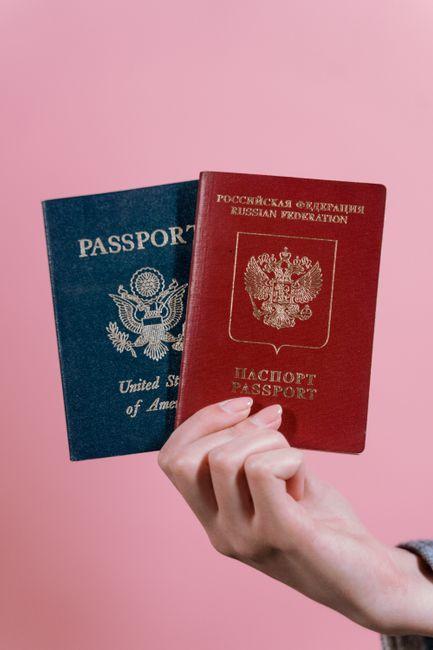
Crossroads of Belonging A Personal Journey Between Two Homelands
Standing at the crossroads of two homelands often begins with simple moments that quietly shape one’s sense of belonging. Take Ana, for example-a first-generation American whose parents emigrated from Mexico. At family gatherings, she speaks English with cousins but reverts to Spanish when helping her abuela in the kitchen. Ana once wrestled with a job opportunity in Mexico City, where the promise of reconnecting with her roots came wrapped in the challenge of navigating an unfamiliar work culture and visa intricacies. This decision wasn’t just about geography; it was an internal tug-of-war between her American upbringing and her Mexican heritage, highlighting how dual citizenship is not merely a legal status but a lived emotional experience. Moments like these are crucial reminders that identity is layered and dynamic, often resisting neat categorization.
The unpredictability lingers in everyday interactions, too. Another dual citizen, James, recalls the surprise he felt when celebrating the Fourth of July in the U.S. and feeling a twinge of discomfort, having spent summers in Ireland with an Irish passport in hand. His expectations that national pride would feel seamless contrasted sharply with the subtle sense of being an outsider in a crowd he technically belonged to. Such contrasts teach powerful lessons:
- Belonging transcends legal definitions: Citizenship may open doors, but emotional connection is crafted through lived experience.
- Context shapes loyalty: Moments of crisis or celebration can prompt unexpected allegiances.
- Identity evolves: What feels like home at one stage may shift with time and perspective.
| Decision Moment | Expectation | Reality |
|---|---|---|
| Working abroad in homeland | Seamless cultural fit | Cultural nuances and bureaucratic hurdles |
| National holidays participation | Unquestioned pride | Subtle feelings of dislocation |
These real-life contrasts underscore the ongoing negotiation that dual citizens navigate daily-a balancing act filled with rich contradictions but also unique opportunities to forge identities that are authentically their own.
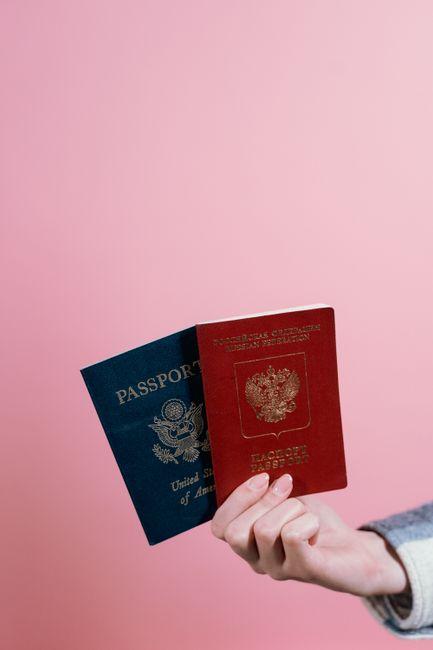
Balancing Allegiances When National Pride Meets Practical Decisions
Imagine Maria, an American with dual citizenship from Mexico, standing at a crossroads: her heart swells with pride watching the U.S. national team play, yet she worries about the political climate affecting her family back in Mexico. When the time comes to decide where to pursue a job offer-Silicon Valley or Mexico City-her allegiance is tested. It’s not just about patriotism; it’s about balancing the emotional pull of her American upbringing with the practical opportunities and responsibilities lying on her other side. Maria’s decision to accept the role in Mexico City surprised many around her, but for her, it was an informed choice grounded in career growth prospects and a commitment to support her extended family. Moments like these highlight a common tension for dual citizens: identity and loyalty are deeply personal but rarely exclude real-world considerations.
Such balancing acts often involve weighing cultural expectations against tangible benefits. Take Samuel, whose dual citizenship with Canada prompts a regular internal debate: When voting season arrives, should he favor policies benefiting his American community or those that support Canadian initiatives indirectly influencing his family? His answer varies, shaped by context rather than fixed loyalty. This fluid alignment challenges the assumption that dual citizenship demands exclusive allegiance. Instead, it encourages a nuanced approach where decisions become a negotiation between pride and practicality. Here’s a snapshot of factors Samuel and others commonly juggle when allocating their loyalties:
| Factor | Example Situation | Decision Influence |
|---|---|---|
| Family Ties | Supporting parents abroad financially | Higher priority on birthplace country’s economy |
| Career Opportunities | Accepting job in second country | Access to industry networks and growth potential |
| Political Climate | Voting patterns and policy impacts | Alignment with values and long-term stability |
| Cultural Connection | Celebrating traditional holidays | Preservation of heritage and identity |
Such decisions reflect the lived reality of dual citizens: neither allegiance nor identity is static. Instead, it evolves, responding to challenges and opportunities alike, blending emotional ties with pragmatic choices.
Moments That Define Loyalty Navigating Expectations From Both Worlds
Growing up with dual citizenship often means living in the tension between two sets of expectations-those of each country’s culture, values, and loyalties. Take, for example, Ana, who holds both American and Mexican citizenship. When family holidays arrive, the implicit pressure to fully embrace traditions from both sides can be overwhelming. In one memorable Christmas, she found herself torn between attending a traditional quinceañera back in Mexico and celebrating the holiday with her American relatives at home. The choice wasn’t just about calendar conflicts; it posed a deeper question: which community’s expectations should take precedence when both feel like your own? These moments crystallize the challenge of loyalty-not as a grand, unshakable allegiance, but as a delicate balancing act influenced by time, place, and the people we care about. Ana’s decision to attend the quinceañera, while sending heartfelt videos to her American family during their gathering, reflected a compromise shaped by love and respect toward both identities.
These defining instances often reveal a gap between how loyalty is expected to manifest and how it feels in reality. While society might frame loyalty in absolute terms-pick a side, commit fully-individual experience shows a more fluid and context-dependent reality. Consider a professional scenario: Michael, an engineer with American and Canadian citizenship, was once asked by his employer to choose a work location due to visa restrictions. The expectation was clear-commit fully to one country and career path. However, Michael’s ultimate choice to split his time between both regions, leveraging his dual status, challenged the conventional notion of loyalty. The result? He not only maintained strong ties to his extended family in Canada but also accelerated his career growth with the American company. This illustrates how expectations of loyalty from one world can clash with opportunities and bonds from the other, underscoring the value of flexible identity navigation over rigid allegiance.
Lessons Carried From Each Flag Stories of Growth and Compromise
Living between two flags often means balancing moments of unexpected growth with unavoidable instances of compromise. Take Maria, for example, a software engineer born in the US with dual citizenship in Mexico. During family gatherings in her Mexican hometown, she found herself navigating subtle tensions – a blend of pride for her American education and quiet judgments about her “Americanized” ways. These moments challenged her to redefine loyalty not as blind allegiance but as a commitment to understanding the nuances in both cultures. From this, Maria learned that growth doesn’t always come from grand gestures but from embracing vulnerability and difficult conversations, ultimately forging a richer, more tolerant identity that honors her complex heritage.
Contrast this with a different reality experienced by David, whose dual citizenship between Canada and the US presented unique professional and personal dilemmas. When offered a job opportunity in Canada, his initial expectation was that his dual status would make the transition seamless. The reality, however, was shaped by bureaucratic complexity and cultural adjustments that tested his patience and adaptability. This experience taught him a crucial lesson about managing expectations-that dual citizenship is a bridge, not a shortcut. It highlighted the importance of patience, research, and humility when toggling between different legal frameworks and social norms. David’s journey underscores a key takeaway: navigating dual citizenship is as much about compromise as it is about opportunity, demanding a flexible mindset and respect for the distinctive realities each country presents.
- Lesson from Maria: Identity evolves through embracing cultural contradictions, not by choosing one flag over the other.
- Lesson from David: Dual citizenship offers opportunities but also requires patience and adaptability in the face of legal and cultural complexities.
| Aspect | Expectation | Reality | Lesson |
|---|---|---|---|
| Cultural Integration | Seamless blending of identities | Encountered judgment and feeling ‘in-between’ | Growth through embracing complexity, not simplicity |
| Professional Mobility | Instant ease in job transition between countries | Navigated bureaucracy and unexpected adaptation challenges | Patience and preparation are key to leveraging opportunities |
Voices from Dual Perspectives Embracing Complexity and Opportunity
Jasmine’s story is one many dual citizens may find familiar. Born to Mexican parents in California, her upbringing was steeped in two worlds: the spirited family gatherings filled with Spanish music and the American school system’s promise of individual achievement. When she graduated college, Jasmine faced a crossroads-accept a marketing job in New York or relocate to Mexico City for a startup opportunity. The choice wasn’t just professional; it meant weighing where she felt most rooted and where she could cultivate her identity without compromise. Her initial expectation was the Mexican startup would offer a deeper cultural connection and career satisfaction, but she quickly learned that embracing her American corporate experience also enriched her approach to the Mexican market, turning her dual perspective into a unique asset rather than a divided allegiance.
Meanwhile, Alex, whose family heritage bridges the U.S. and Germany, confronted another complexity: voting. With dual citizenship, he anticipated he would naturally engage politically in both countries as a way to honor his bicultural identity. Yet, the reality was more intricate. Navigating two electoral systems highlighted the contrasts in civic responsibility and political culture-the immediacy of American local elections versus Germany’s multiparty parliamentary dynamics. This experience taught him valuable lessons on how dual citizenship carries not just privileges but layered obligations and, most importantly, offers a chance to develop a more nuanced sense of loyalty-one that recognizes fluid rather than exclusive ties.
- Identity Flexibility: The ability to embrace change and blend cultural values rather than choosing one over the other.
- Opportunity Awareness: Leveraging dual systems for personal and professional growth by understanding the unique benefits on both sides.
- Responsibility Balance: Managing civic duties thoughtfully without feeling split or overwhelmed.
| Aspect | Jasmine’s Experience | Alex’s Experience |
|---|---|---|
| Expectation | Deep cultural connection through job location | Engage fully in politics of both countries |
| Reality | Career benefits stemmed from merging both cultural insights | Complex civic systems require selective engagement |
| Lesson | Identity is fluid and enriched by balance, not sacrifice | Loyalty is layered, not exclusive |
To Conclude
In the delicate dance between two flags, dual citizenship weaves a story of complexity and possibility. It invites us to reconsider what it means to belong, to be loyal, and to pursue opportunity-not as conflicting choices, but as intertwined threads of identity. For Americans embracing this duality, the journey is less about choosing sides and more about crafting a unique narrative that honors multiple roots while forging new paths. Navigating between two worlds, they embody a modern mosaic of culture and connection that challenges traditional boundaries and redefines the meaning of home.




