
In an increasingly interconnected world, the concept of identity and belonging often transcends the boundaries of a single nation. Dual national citizenship, a status that allows individuals to legally belong to two countries simultaneously, has emerged as both a practical reality and a fascinating legal phenomenon. But what exactly does it mean to hold dual citizenship? Beyond the passport stamps and international travel perks, dual nationality intertwines with complex legal rights, cultural ties, and personal freedoms. This article dives into the heart of dual national citizenship-exploring its benefits, the challenges it poses, and how this unique status operates in the modern global landscape. Whether you’re considering applying for a second nationality or simply curious about how dual citizenship works, understanding its nuances is more important than ever.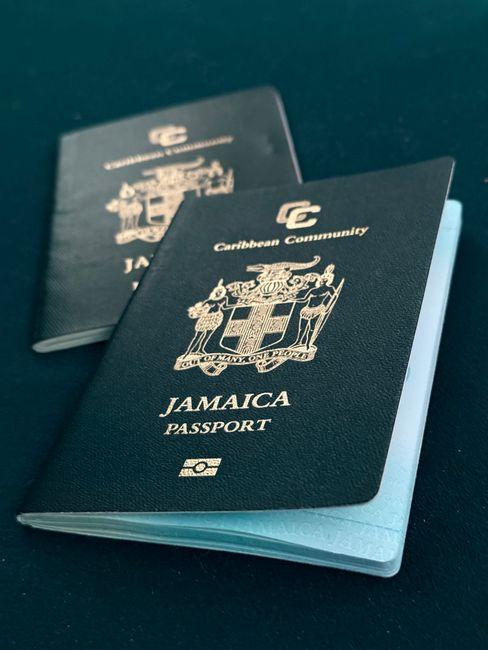
Exploring the Meaning and Legal Foundations of Dual National Citizenship
Dual national citizenship refers to an individual’s legal status of being recognized as a citizen by two countries simultaneously. This means the person holds rights, responsibilities, and privileges in both nations, such as voting, property ownership, and legal protection. The legal foundations of dual citizenship vary significantly depending on each country’s laws. Some countries fully embrace dual nationality, allowing unrestricted rights and clear recognition, while others impose strict limitations or prohibit it altogether. Typically, dual citizenship arises through birthright (jus sanguinis or jus soli), naturalization processes, or marriage. Understanding the legal basis is crucial, as it affects areas like taxation, military service, and legal jurisdiction, which can differ widely between the two nations involved.
Several core issues often arise when exploring dual nationality’s legal framework. For instance, potential conflicts may occur in cases involving criminal law, diplomatic protection, or passport use. Additionally, individuals must navigate how each country treats citizenship obligations differently, such as mandatory military service or tax declarations. To clarify these complexities, here is a brief comparison of typical legal considerations:
| Aspect | Country A (Allows Dual Citizenship) | Country B (Restricts Dual Citizenship) |
|---|---|---|
| Recognition | Full legal recognition of dual nationality | Requires renunciation of other citizenship to maintain status |
| Military Service | Exemptions possible or service in either country accepted | Mandatory service unless citizenship is renounced |
| Taxation | May tax global income of its citizens | Taxation based only on residence |
| Passport Use | Allowed to carry and use both passports | May require using only one passport for entry/exit |
- Recommendation: Always consult the specific laws of both countries before pursuing dual citizenship to thoroughly understand legal obligations and avoid unexpected penalties.
- Tip: Seek professional legal advice to manage practical challenges such as taxation, citizenship rights, and compliance with dual nationality regulations.
Advantages and Potential Pitfalls of Holding Multiple Passports
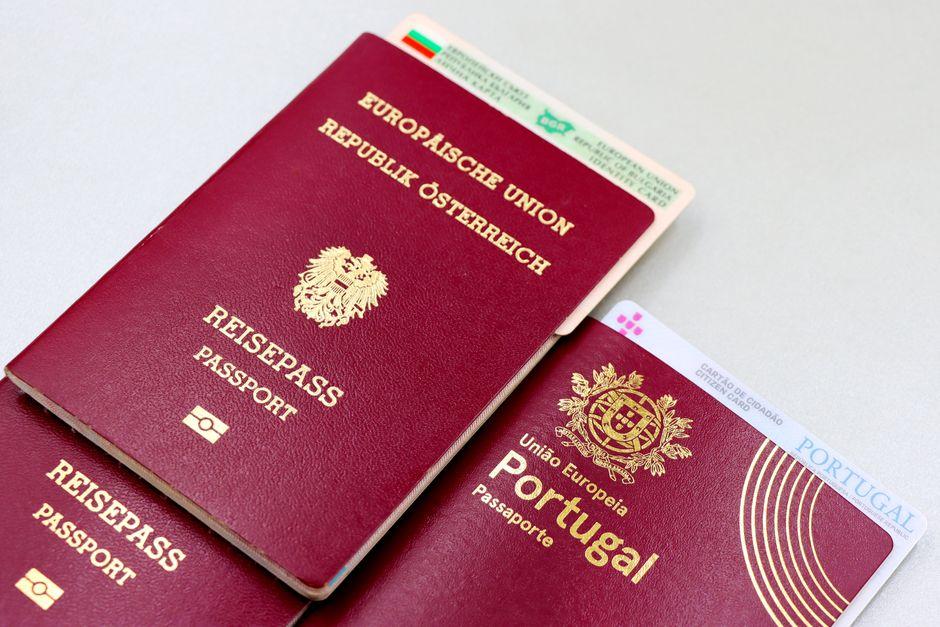
Holding multiple passports, often a feature of dual or multiple citizenships, offers significant advantages that extend beyond simple travel convenience. For one, it provides enhanced global mobility, allowing passport holders to enter more countries with fewer visa restrictions and sometimes bypass lengthy visa applications altogether. This flexibility can be a game-changer for frequent travelers, expatriates, or international business professionals. Additionally, multiple citizenships often grant access to broader social services, education systems, and healthcare benefits available in each country of nationality. Economically, having dual passports can open doors to diverse employment markets and investment opportunities that might otherwise be restricted by nationality-based regulations.
However, these benefits come with potential pitfalls that should not be overlooked. One common concern is the complexity of legal responsibilities, including tax obligations in multiple jurisdictions. Some countries tax citizens based on worldwide income, requiring careful financial planning to avoid double taxation. There may also be military service requirements or voting laws that differ sharply between countries, potentially creating conflicting duties. Furthermore, managing multiple passports involves navigating varied bureaucracies and sometimes encountering travel restrictions if political relations between the countries shift.
| Advantages | Potential Pitfalls |
|---|---|
|
|
How Different Countries Approach Dual Citizenship Rules and Restrictions
Countries vary widely in their approach to dual citizenship, reflecting differing priorities on national identity, security, and individual rights. Some nations, like Canada and the United Kingdom, adopt a liberal stance, allowing dual citizenship without many restrictions; this enables individuals to retain multiple passports and enjoy benefits such as easier travel, work rights, and access to social services in more than one country. In contrast, countries like Japan and Singapore require citizens to renounce their previous nationality upon naturalization, emphasizing singular loyalty and integration. Meanwhile, some nations permit dual citizenship only under special circumstances-often tied to exceptional contributions or diaspora policies-while others outright prohibit it, complicating matters for immigrants, diplomats, or children born abroad. Understanding these varying policies helps clarify the practical and legal landscape that dual nationals must navigate.
Key Differences in Dual Citizenship Policies:
- Permissive: Countries such as Australia, France, and South Africa allow dual nationality broadly, recognizing its benefits in a globalized world.
- Conditional: Germany and India permit dual citizenship primarily for European Union members or Overseas Citizenship of India (OCI) cardholders but restrict voting rights or political participation.
- Restrictive: Nations like China and Saudi Arabia require complete renunciation of foreign citizenship to maintain nationality, citing concerns about divided allegiance.
Below is a simplified comparative overview of select countries’ dual citizenship stances:
| Country | Allows Dual Citizenship? | Notable Restrictions |
|---|---|---|
| Canada | Yes | No significant restrictions |
| Japan | No | Must renounce one citizenship by age 22 |
| Germany | Limited | Allowed mostly for EU citizens; otherwise must renounce previous citizenship |
| India | No (but OCI card available) | No dual citizenship, but OCI provides some privileges without full citizenship |
For individuals considering or holding dual citizenship, understanding their country’s specific rules is essential. Consulting official government sources or legal experts is recommended to avoid complications, such as unintended loss of citizenship or conflicts in tax and military obligations. Awareness of these nuances ensures that one can fully harness the advantages of dual national status while mitigating potential legal or cultural challenges.
Common Misunderstandings About Dual Citizenship Clarified
One frequent misconception about dual citizenship is that it automatically grants unlimited rights and protections in both countries. While dual nationals often enjoy benefits such as travel flexibility, work opportunities, and access to social services in each country, they must also navigate specific legal obligations tied to each citizenship. For example, holding dual citizenship does not exempt individuals from military service requirements or tax obligations in either country. Another common misunderstanding is that dual citizenship is prohibited or leads to automatic loss of one’s original nationality. In reality, many countries now recognize dual citizenship officially, but laws vary significantly-some nations require formal declarations or impose restrictions on political participation, property ownership, or diplomatic protection abroad.
People also often conflate dual citizenship with permanent residency or long-term visas, which offer limited rights compared to holding two nationalities. Importantly, dual citizenship does not provide immunity from legal issues; dual nationals are subject to the laws of each country independently and can be prosecuted under either jurisdiction. To clarify these nuances, consider the following table that outlines key contrasts between dual citizenship, residency, and single citizenship:
| Status | Rights | Responsibilities | Restrictions |
|---|---|---|---|
| Dual Citizenship | Access to full civil, political, and social rights in both countries | Obligations such as taxes, military service, and legal compliance in each country | Varies by country; some limit political office or diplomatic protection |
| Residency | Permission to live, work, and study but limited political rights | Must follow local laws; often limited tax obligations | No diplomatic protection beyond resident state’s laws |
| Single Citizenship | Full rights and responsibilities in one country only | Same as rights; centralized legal obligations | Cannot exercise rights of other nationalities without permission |
Understanding these distinctions helps clear up confusion and allows candidates considering dual citizenship to make informed decisions based on their personal and professional goals. Consulting official government sources and immigration experts is highly recommended to navigate country-specific rules and avoid unintended legal or financial consequences.
Factors to Weigh Before Pursuing Dual National Status
Before pursuing dual national citizenship, it’s essential to carefully weigh several key factors that can significantly impact your experience and rights in each country. Legal obligations differ widely between nations; some require dual citizens to fulfill civic duties such as mandatory military service or tax filings in both countries. For instance, the United States taxes its citizens on worldwide income regardless of residence, which can lead to complex tax reporting if combined with another country’s fiscal rules. Furthermore, travel restrictions may apply, as some countries do not fully recognize dual citizenship, potentially complicating visa applications or consular assistance abroad. Understanding how each government’s stance on dual nationality affects your rights and responsibilities will prevent unexpected legal or financial challenges down the line.
Another crucial consideration is the impact on your personal and professional life. Dual citizenship can open doors to more job opportunities, ease business operations, and enhance educational prospects through access to local programs or scholarships. However, it may also lead to conflicts in allegiance or cultural identity, especially during diplomatic tensions. It’s advisable to assess your long-term goals and lifestyle plans by asking questions like:
- Do both countries allow dual citizenship without requiring you to renounce your original nationality?
- What are the tax implications across both countries, and can you reasonably comply with them?
- How will dual status affect your ability to work, own property, or inherit assets in each country?
- Are there any travel or security risks associated with holding two passports?
| Factor | Consideration | Potential Impact |
|---|---|---|
| Legal Recognition | Does both countries recognize dual citizenship? | May require renunciation; risk of losing citizenship |
| Tax Obligations | Are taxes owed in both countries? | Double taxation or complex filings |
| Military Service | Is compulsory service required? | Potential mandatory enlistment in one or both countries |
| Travel Freedom | Passports and visa requirements | Increased travel flexibility or restrictions |
Concluding Remarks
In a world that grows increasingly interconnected, dual national citizenship stands as a compelling bridge between cultures, opportunities, and identities. While it offers a unique blend of freedom and privilege, it also invites thoughtful navigation through legal and personal complexities. Understanding the benefits and challenges of holding more than one passport not only empowers individuals to make informed decisions but also enriches the broader conversation about belonging and globalization. Whether embraced as a practical advantage or a profound expression of heritage, dual citizenship remains a nuanced journey-one that continues to evolve alongside our ever-changing world.




