
In a world increasingly defined by borders both visible and invisible, dual citizenship emerges as a unique lens through which the complexities of identity, opportunity, and belonging can be explored. Straddling two nations, dual citizens inhabit a space where cultures converge and diverge, creating a tapestry of experiences that challenge traditional notions of home and allegiance. This article delves into the nuanced journey of navigating life between two worlds-a life enriched by expanded possibilities but also marked by profound questions of self and society. Through stories, analyses, and reflections, we invite you to explore what it truly means to belong when your roots and pathways span more than one homeland.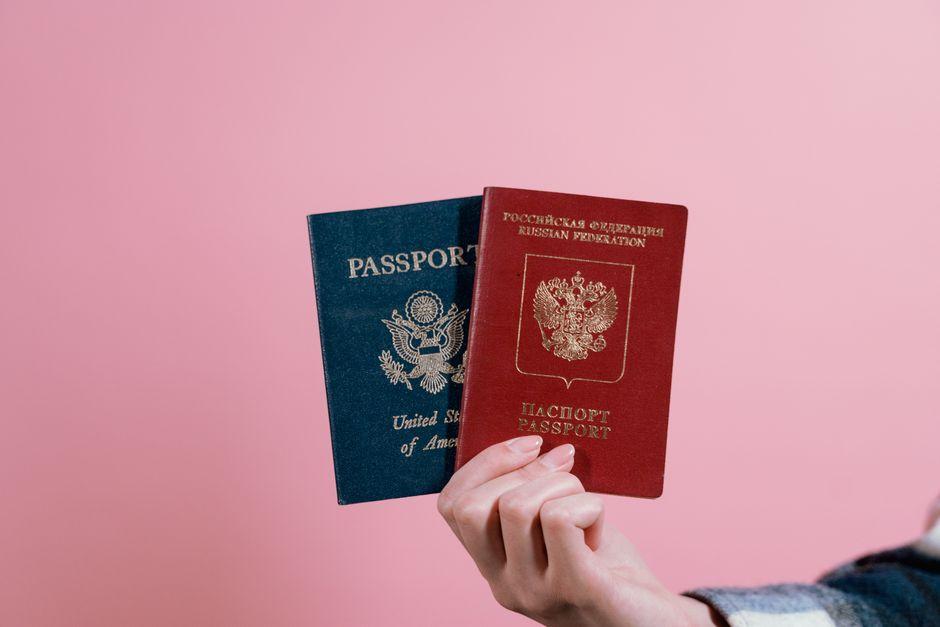
Rooted in Two Places yet Fully at Home in Neither
Maria grew up celebrating both Thanksgiving with her American relatives and Lunar New Year with her Chinese grandparents. Yet despite these rich cultural tapestries, she often felt caught in an unseen limbo. At school, her peers pegged her as the “Asian-American kid,” but family gatherings reminded her that she was also “too Western” for her relatives back home. This dual heritage brought vivid memories and a deep sense of belonging to two worlds, but when it came to her professional and personal identity, Maria faced tough questions: Where do I truly fit? Which culture should dominate the narrative of who I am? These moments highlighted a reality for many with dual citizenship-it’s not just about holding two passports but managing the invisible boundaries that neither fully erase nor offer complete acceptance.
Consider Ahmed, who moved between his Egyptian hometown and his adopted Canadian city. His dual citizenship opened doors to diverse opportunities, like pursuing education abroad and accessing healthcare systems in both countries. However, the practical benefits also exposed contradictions. The Canadian system expected him to identify as a single national on some forms, while Egyptian bureaucracy required a different approach. Ahmed often found himself weighing the convenience of dual documentation against the social expectation to “choose a side.” This tension is common and teaches valuable lessons:
- Identity is fluid: It evolves beyond legal status, shaped by lived experiences and evolving personal values.
- Opportunity comes with complexity: Benefits of dual citizenship require navigating competing systems and cultural expectations.
- Belonging is multifaceted: True belonging might not mean full acceptance in one place but embracing the richness of both.
| Aspect | Expectation | Reality |
|---|---|---|
| Cultural Identification | Belong fully to both cultures | Feel “not enough” in either culture |
| Official Documentation | Seamless benefits from two passports | Complex navigation of inconsistent rules |
| Social Acceptance | Recognition as “one of us” in each community | Perceived as an outsider or “other” at times |
For those rooted in two places but fully at home in neither, the journey is less about resolving the tension and more about learning to live and thrive within it-embracing a hybrid identity that challenges traditional notions of belonging and offers a broader horizon of self-understanding.
The Complex Dance of Opportunity and Obligation
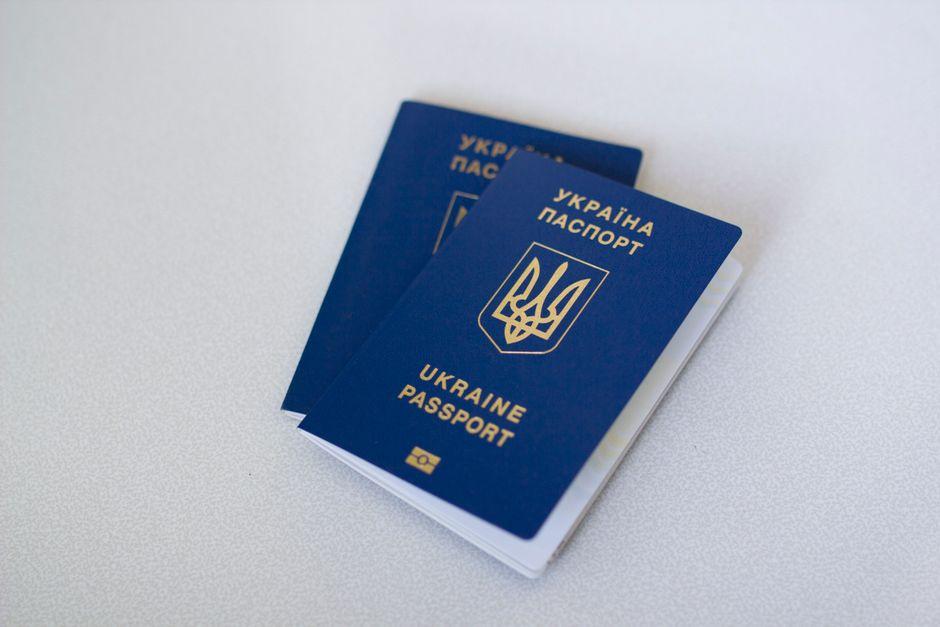
Take the case of Maria, born in Brazil but raised in Canada from a young age. Her dual citizenship opened doors she never imagined-job opportunities across borders, easier travel, and a broader social network. When a tech company in São Paulo offered her a position, the prospect was thrilling. Yet, with that opportunity came a tangle of obligations she hadn’t fully anticipated. Navigating tax responsibilities across two countries, understanding the nuances of mandatory social services, and even grappling with subtle expectations from family and local communities to “give back” became emotional and logistical balancing acts. The promise of choice sometimes felt like the burden of duty-where each benefit came tethered to responsibilities that tested her sense of identity and loyalty.
This complex dance plays out differently for everyone, but some key themes often emerge:
- Expectations vs. Reality: Many expect dual citizenship to be a passport to freedom, only to find themselves managing conflicting legal systems, cultural norms, and sometimes even divided allegiances.
- Invisible Obligations: Beyond paperwork, there are social expectations-volunteering, voting, community participation-that shape how dual citizens engage with their countries.
- Decision Moments: Life events such as career moves, marriage, or political shifts often force dual citizens into difficult choices about where their priorities truly lie.
| Opportunity | Obligation | Real-World Impact |
|---|---|---|
| Work authorization in both countries | Dual tax filings and legal compliance | Increased administrative workload; potential stress over tax treaties |
| Access to social benefits and healthcare | Community expectations for participation and civic duties | Navigating cultural identity; feeling “in-between” cultures |
When Borders Blur The Subtle Costs of Dual Belonging
For Ana, dual citizenship initially seemed like a seamless bridge linking her American upbringing with her Italian roots. However, what started as a proud marker of her bicultural identity soon revealed quiet complications. Imagine the subtle frustration of reconciling tax filings for two countries with different schedules, or the unexpected insistence from local authorities on proof of residence that neither passport alone could fully satisfy. These everyday bureaucratic tightropes can quietly erode the ideal of smooth access to both worlds. Ana recalls a pivotal moment when renewing her driver’s license-a process straightforward in one country-became a tangle of paperwork, requiring a certified translation, multiple residency proofs, and fees that weren’t initially budgeted. Such moments offer a subtle but important lesson: the administrative overlaps of dual belonging can demand time and resources, challenging the dream of unhindered mobility and rights.
Another dimension unfolds in personal and emotional terms. Omar, who holds citizenship in Canada and Morocco, expected that legal duality would translate into equal belonging. Yet, he found himself negotiating identity in a way that no passport could simplify. At a family gathering in Casablanca, his fluency in Darija invited warmth, but his sightly Canadian accent and perspectives sometimes sparked gentle distancing-underscoring that citizenship doesn’t erase cultural nuances or social expectations. Similarly, Omar’s Canadian friends occasionally viewed his second citizenship as adventurous but “exotic,” unintentionally reinforcing feelings of otherness. These encounters reveal a layered truth about dual citizenship: it offers official ties but doesn’t always align with social acceptance or identity cohesion. The costs here aren’t just bureaucratic but deeply interpersonal, emphasizing that holding two passports is a complex experience where outer legal status and inner sense of belonging don’t always blur harmoniously.
Voices from the Middle Stories of Identity in Transition
Maya’s story highlights the subtle tensions often faced by dual citizens caught between two worlds. Born in Canada to Indian parents, she always wore her hyphenated identity as a badge of honor-until her first visit to India as an adult. There, she encountered assumptions about her “foreign” status that clashed with her own sense of belonging. Maya had expected a seamless connection but instead found herself navigating questions about her cultural fluency and loyalty, moments that forced her to reassess what identity means beyond legal documentation. Yet these experiences also unlocked unexpected opportunities: local businesses started seeking her expertise to better connect with diasporic markets, blending her dual perspectives into tangible bridges.
Then there’s Alex, whose German-American dual citizenship came with the promise of smooth European relocation. However, the reality was a nuanced dance of administrative hurdles and social adaptation. Initially, Alex assumed that paperwork was the only barrier, but cultural integration-learning unspoken social cues and workplace dynamics-presented a far greater challenge. Reflecting on his first months, Alex shares a lesson that resonates widely:
- Legal status does not equate to immediate acceptance.
- Languages spoken fluently do not guarantee cultural fluency.
- Patience and openness can transform alienation into belonging over time.
These voices from the middle reveal that dual citizenship is not simply a passport or a privilege-it’s an ongoing journey of reconciliation, adaptation, and identity redefinition. It challenges assumptions and invites a more fluid understanding of home and self.
| Aspect | Maya’s Experience | Alex’s Experience |
|---|---|---|
| Expectation | Seamless cultural connection in India | Smooth transition within Europe |
| Reality | Cultural skepticism despite shared heritage | Unspoken social norms harder to adapt to than paperwork |
| Lesson | Identity is shaped by perception and experience | Integration requires more than legal status |
Finding Balance Lessons Learned on the Path of Dual Citizenship
Juggling two citizenships often feels like walking a tightrope between worlds, where each step requires careful calibration. Take Maria, for example, who inherited Italian citizenship from her parents while holding Brazilian nationality. Initially, she anticipated seamless travel, business opportunities, and a broader sense of belonging. Yet, she quickly realized that managing dual responsibilities-like tax obligations in both countries-was more intricate than expected. There were moments when she had to decide whether to apply for certain benefits in Italy or maintain privileges in Brazil, realizing that choices made in one country could ripple into unforeseen consequences in the other. This highlighted a crucial lesson: understanding legal obligations and the administrative nuances is just as important as embracing the emotional and cultural identity that dual citizenship offers.
Finding balance also means navigating contrasting expectations-both personal and societal. For instance, some dual citizens expect instant acceptance in both nations, only to confront subtle barriers such as cultural misunderstandings or feelings of being ‘the other.’ Take Ahmed, who holds citizenship in Canada and Egypt. Though he embraced both cultures, moments of identity ambivalence surfaced, especially during family gatherings or professional settings where his perspectives didn’t fully align with either side. Reflecting on his journey, a key takeaway emerges: balance isn’t about equally splitting time or loyalty, but about integrating aspects of both identities in a way that feels authentic**-which often requires ongoing negotiation, patience, and self-awareness.
| Lesson Learned | Example | Outcome |
|---|---|---|
| Legal awareness is essential | Maria managing tax requirements in Italy and Brazil | Prevented unexpected financial penalties |
| Authentic integration over equal division | Ahmed navigating cultural expectations in Canada and Egypt | Developed a confident, blended identity |
In Retrospect
In the delicate dance of dual citizenship, individuals find themselves weaving together the threads of two distinct worlds-each with its own rhythms, opportunities, and histories. Navigating this complex tapestry requires more than legal status; it demands an ongoing negotiation of identity and belonging, a balancing act that reshapes one’s perspective and purpose. As global borders become more fluid and cultures intertwine, dual citizenship stands as both a bridge and a mirror-inviting us to explore the spaces between, where the familiar meets the foreign. Ultimately, it is within this liminal space that new possibilities arise, offering a unique lens through which to understand not just where we come from, but who we choose to be.




