
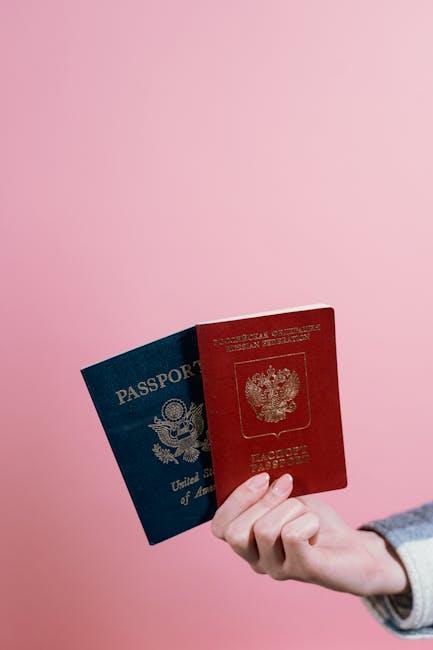
In a world increasingly connected yet deeply divided by borders, the experience of holding two passports offers a unique vantage point—both a privilege and a puzzle. “Between Two Worlds: Navigating the Complex Journey of Being an American Dual Citizen” delves into the intricate tapestry of identity, legality, and belonging that defines this modern condition. Straddling cultures, laws, and loyalties, dual citizens embark on a journey that stretches far beyond travel, touching on questions of self and society in ways both enriching and challenging. This article explores the multifaceted reality of living between two nations, revealing the subtle balances and bold choices that shape the lives of those who call two countries home.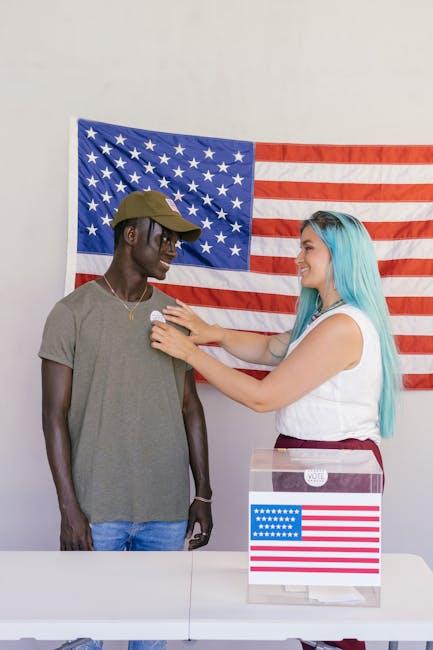
Balancing Loyalties Across Borders and Traditions
Juggling dual citizenship often feels like walking a tightrope stretched between two distinct worlds, each with its own set of expectations, holidays, and cultural norms. Take Maria, for instance, who inherited her Mexican citizenship from her parents but was born and raised in the United States. Each year, she confronts the emotional complexity of how to honor holidays that hold deep meaning in both countries—whether to celebrate Día de los Muertos with her family in Mexico or Thanksgiving in the U.S. With each choice, she navigates subtle pressure from relatives who expect her presence, reminding her that balancing loyalties isn’t just about paperwork but also about nurturing personal relationships. These recurring crossroads often reveal the lessons of empathy and flexibility, as maintaining ties in both places requires an ongoing, mindful effort beyond simply splitting time geographically.
Moreover, dual citizenship frequently presents unforeseen dilemmas when it comes to political identity and obligations. For instance, Ahmed, a dual citizen of Egypt and the U.S., found himself at a career crossroads when asked to declare allegiance during a security clearance process. The reality of having obligations to two governments emerged starkly, forcing him to weigh his personal and professional aspirations against complex legal constraints. These moments lay bare a contrast between the idealized freedom of holding two passports and the practical realities of conflicting civic duties and expectations. Rather than a simple act of pride, balancing these loyalties demands continual negotiation and often, difficult choices.
| Challenge | Example | Key Insight |
|---|---|---|
| Family Expectations | Celebrating national holidays in both countries | Requires empathy and flexibility |
| Political Obligations | Security clearance conflicts between dual allegiances | Complicated by legal and professional demands |
- Emotional balancing: Understanding that cultural identity is fluid and evolving.
- Legal realities: Recognizing that dual citizenship can impose unexpected national duties.
Unexpected Moments That Define Dual Citizenship Reality
For many American dual citizens, the reality of juggling two national identities unfolds in moments they never quite anticipated. Take Maria, for example, who grew up celebrating both Fourth of July fireworks and the vibrant Día de los Muertos parades in her hometown. Her initial expectation was simple: dual citizenship would grant seamless travel and broaden family connections. Yet, when she faced a tax filing season that involved navigating two countries’ tax codes, what seemed like an advantage turned into a challenging balancing act. The lesson? Dual citizenship often means embracing complexity—understanding that legal benefits come with procedures and decisions that can be taxing, both financially and emotionally.
Then there’s Jamal, who assumed that owning passports from two countries would always offer flexibility, especially during career moves. However, when his work required security clearances, the intertwining loyalties raised unexpected questions and delays—something rarely discussed in official guides. These experiences highlight key contrasts between expectation and reality:
- Expectation: Easy, free movement and choice for residence.
- Reality: Possible bureaucratic hurdles and loyalty concerns.
- Expectation: Double the rights, double the protections.
- Reality: Conflicting laws can complicate rights and obligations.
| Scenario | Expectation | Reality |
|---|---|---|
| Travel | Unlimited freedom to enter both countries | Visa requirements or re-entry rules may differ per passport |
| Taxes | Simple filing in one country | Must file and sometimes pay taxes in both |
| Employment | More opportunities in either country | Security checks, legal restrictions, conflicting regulations |
Through these tangible moments, dual citizens learn that the identity they cherish involves ongoing negotiations—legal, cultural, and personal. These “unexpected moments” serve not just as obstacles but as defining experiences, turning the abstract ideas of citizenship into lived realities that shape how individuals see themselves between two worlds.
When Legal Complexities Meet Personal Identity
Imagine Ana, who was born in the U.S. to Mexican parents and holds dual citizenship. For years, she viewed her American and Mexican identities as seamlessly intertwined parts of who she is. That harmony was challenged one day when she inherited property in Mexico. Suddenly, legal paperwork required her to declare her Mexican citizenship explicitly—to the extent that it legally superseded her American status in property law matters. Ana found herself navigating court appointments via translators, wrestling with unfamiliar bureaucratic language, and facing tax regulations that contrasted sharply with her expectations in the U.S. Here, legal systems didn’t just coexist; they collided, forcing Ana to confront the real-world implications of holding two passports. This moment of complexity revealed a crucial lesson: dual citizenship isn’t merely a cultural metaphor but a legal tightrope that requires vigilant balance.
Such complexities aren’t unique to real estate. John, another dual citizen, recalls his challenge with military obligations. Although he had never intended to serve abroad, his country of origin’s laws made military service mandatory for male dual nationals at a certain age. This was a stark contrast to what he anticipated as an American citizen, where selective military service registration was optional for his age group. The tension between legal duties and personal identity tested his sense of belonging. In cases like these, it’s essential to weigh both countries’ legal expectations side-by-side:
| Aspect | U.S. Perspective | Other Country’s Perspective |
|---|---|---|
| Military Service | Selective Service (Optional registration) | Mandatory service under certain conditions |
| Tax Obligations | Global income must be reported | Income from local sources taxed |
| Legal Identity | One primary nationality for legal matters | Citizenship may imply allegiance and responsibilities |
- Lesson: Being a dual citizen means juggling laws that don’t always align, requiring awareness and sometimes hard choices.
- Decision Moment: Choosing when and how to assert which citizenship can impact everything from legal rights to personal freedom.
Stories of Reconciliation Between Two National Hearts
Jenna, born in the U.S. to a Mexican mother and an American father, vividly recalls the afternoon she confronted a deeply personal crossroads. At a family reunion in Guadalajara, she found herself caught between two vibrant cultures, each pulling at her identity. Her American relatives admired her independence and directness, while her Mexican family cherished the warmth and respect she showed towards elders. What struck Jenna most was how this duality wasn’t a burden but a bridge. She learned to embrace the advantages of both: the opportunity to speak two languages fluently allowed her to connect with cousins she’d never met, but more importantly, it gave her the ability to navigate misunderstandings and foster deeper familial bonds. Jenna’s story highlights a common experience among dual citizens—expecting to feel divided, yet often discovering a surprising harmony that enriches their sense of belonging.
Contrast this with Tariq’s journey from Pakistan to the United States, where professional ambitions met cultural nuances. Initially, Tariq believed that holding dual citizenship would inevitably split his loyalties and confuse his sense of identity at work and in social settings. Instead, it became a powerful asset. In meetings, his understanding of Eastern and Western business etiquettes helped prevent crucial miscommunications. Yet, the real test came during personal exchange visits, where expectations of seamless integration clashed with sometimes uncomfortable cultural friction. Through trial and error—like learning when to assert himself in American contexts and when to listen more attentively in Pakistani gatherings—Tariq crafted a unique blend of cultural fluency. His journey is a testament to the lessons dual citizens learn: that reconciliation between two national hearts is an ongoing dialogue, filled with moments of tension, growth, and ultimately, mutual respect.
| Challenge | Expectation | Reality | Lesson |
|---|---|---|---|
| Language and Communication | Being bilingual means no confusion | Nuance and context differ, requiring adaptability | Flexibility enhances connection |
| Cultural Norms | Must choose one culture to identify with | Can fluidly embrace diverse customs | Identity is multi-faceted and dynamic |
| Loyalty and Belonging | Dual citizenship causes divided loyalty | Often leads to a richer, more balanced perspective | Belonging can be expansive, not exclusive |
Lessons Carved from the Intersection of Opportunity and Obligation
When Maria inherited dual citizenship from her parents, she envisioned a seamless blending of cultures and opportunities. Yet, as she soon discovered, dual citizenship often means navigating the uneasy tension between possibility and responsibility. For instance, while her American passport opened doors to global business ventures, it also came with tax reporting obligations that caught her off guard. Like many dual citizens, Maria faced moments where she had to weigh the excitement of expanded opportunities against the practical demands of fulfilling two countries’ regulations. The lesson here was clear: dual citizenship thrives not only on the privileges it offers but also on the willingness to embrace its intricate duties.
Consider also Jamal, torn between voting in the U.S. and participating in elections in his country of birth. His expectations—rooted in the freedom to fully engage with both political systems—clashed with the reality of differing eligibility rules and bureaucratic hurdles. This juxtaposition revealed a broader truth for many dual nationals: the administrative and emotional balancing act can be as complex as the cultural identity it fosters. They learn that good citizenship is as much about patience and careful navigation as pride and participation. Here are a few takeaways from such experiences:
- Understand tax implications early: Filing requirements can differ significantly and missing deadlines can carry heavy penalties.
- Stay informed on voting rights: Eligibility varies, so investigate which elections you can realistically participate in.
- Seek professional advice: Consulting legal or financial experts helps avoid unforeseen pitfalls that could undermine your dual citizen benefits.
| Challenge | Expectation | Reality | Lesson |
|---|---|---|---|
| Global Mobility | Easy, border-free access everywhere | Visa requirements vary; paperwork can be complex | Plan travel meticulously; understand each country’s rules |
| Tax Reporting | One country’s system only | Obligations in multiple jurisdictions | Maintain organized records; consult tax professionals |
| Political Participation | Dual voting rights | Limited or differing eligibility | Clarify rules and register early when possible |
Insights and Conclusions
In the end, living as an American dual citizen is a delicate dance between identities, laws, and loyalties—a continuous navigation through a landscape that is both familiar and foreign. It is a journey marked by unique challenges and rich opportunities, where the convergence of two worlds creates a tapestry of experiences that defy simple definition. As dual citizens forge their paths, they embody the complexity of modern belonging, reminding us that identity, like citizenship itself, is rarely just one thing but a dynamic, evolving story lived in between.




