
In an increasingly interconnected world, the concept of citizenship is no longer confined to a single nation. Multiple citizenship—also known as dual or even triple citizenship—has become a reality for millions, weaving complex threads of identity, legality, and belonging. But what does it truly mean to hold passports from more than one country? Beyond the convenience of international travel, multiple citizenship brings a tapestry of benefits and challenges that vary widely depending on where you live and the nations involved. This article embarks on a journey around the globe to untangle the intricate web of multiple citizenship, exploring how it works, the advantages it offers, and the hurdles it presents to individuals and governments alike. Whether you’re considering acquiring an additional nationality or simply curious about the shifting landscapes of global identity, understanding multiple citizenship is key to navigating today’s borderless world.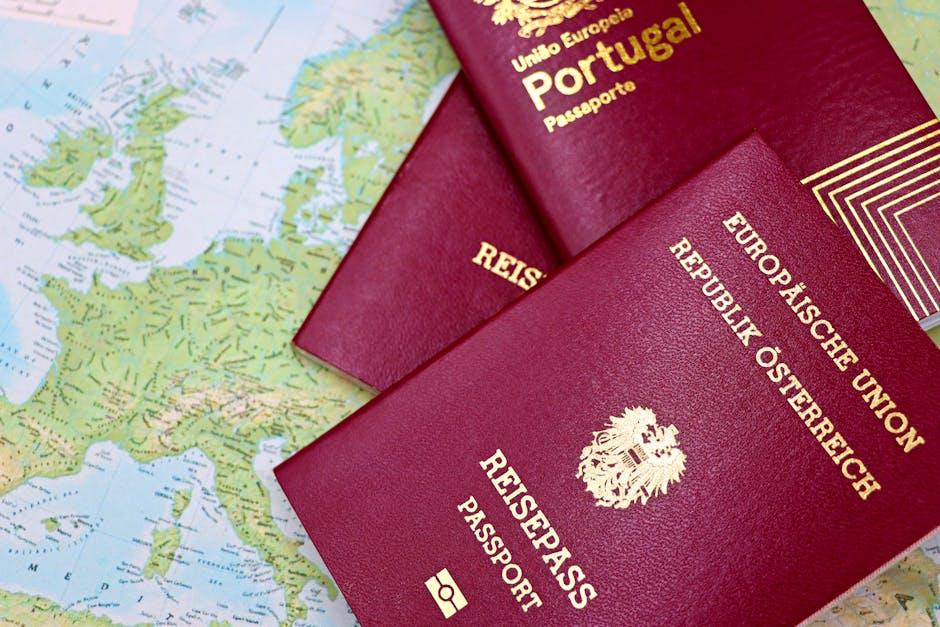
Exploring What It Means to Hold Citizenship in Multiple Countries
Holding citizenship in multiple countries, often referred to as dual or multiple citizenship, means legally belonging to more than one nation simultaneously, entitling an individual to the rights and obligations of each. This status allows a person to navigate distinct legal systems, vote in multiple elections, or access social services across borders. The practical implications can be profound: from easier travel due to multiple passports to expanded business opportunities in different markets. However, the experience can vary widely depending on the countries involved—for example, some nations require compulsory military service or restrict dual nationality altogether. Understanding the precise legal frameworks in each country—like whether it permits multiple citizenship or requires renunciation upon naturalization—is essential for anyone considering or holding multiple citizenships.
Key advantages of holding multiple citizenship include:
- Greater mobility: Multiple passports often ease international travel and reduce visa restrictions.
- Access to benefits: Health care, education, and social security may be accessible in each country.
- Business and employment opportunities: Citizens can work, start businesses, or own property with fewer restrictions.
However, balancing these benefits comes with challenges such as potential tax liabilities in multiple jurisdictions, complexities in inheritance laws, and in some cases, conflicting allegiance requirements. For example, a table of citizenship policies in select countries highlights diverse stances:
| Country | Allows Multiple Citizenship | Notable Restrictions |
|---|---|---|
| United States | Yes | Must still report foreign income |
| Japan | No (requires renunciation) | Dual nationality must be resolved by age 22 |
| Canada | Yes | Few restrictions; generally tolerant |
For those navigating multiple citizenships, expert advice is recommended to address tax compliance, property laws, and possible diplomatic conflicts, ensuring that holding citizenship in more than one country remains an asset rather than a legal or financial burden.
The Advantages and Drawbacks of Holding Multiple Passports
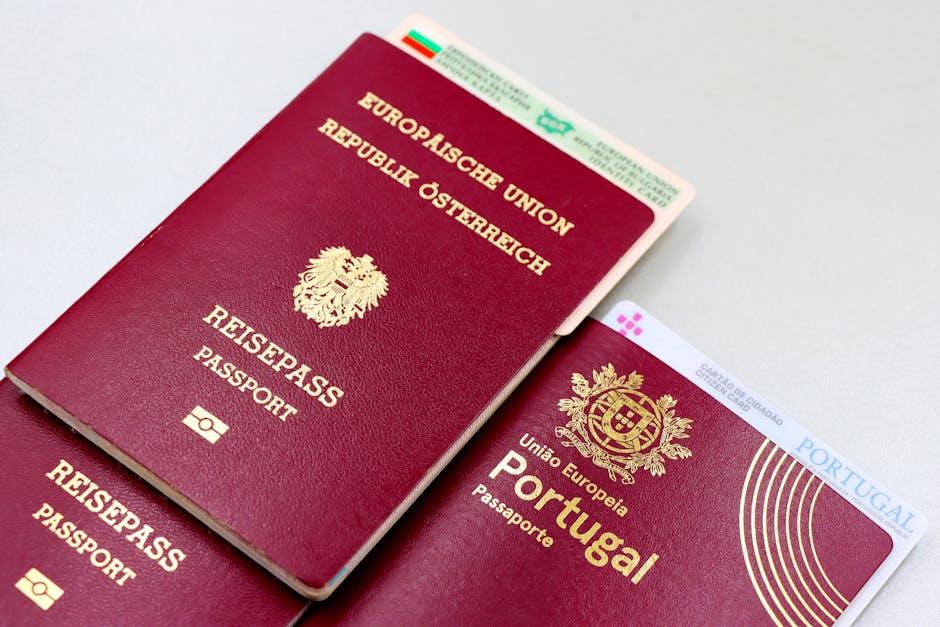
Holding multiple passports can unlock significant advantages, but it also comes with practical and legal complexities. Among the primary benefits is enhanced global mobility; dual or multiple citizens often enjoy visa-free or visa-on-arrival access to a wider range of countries, easing international travel for work, leisure, or family visits. Additionally, multiple citizenships can offer greater economic opportunities, such as the ability to work, invest, or own property in different jurisdictions without restrictive permits. They also provide a strategic safety net—if political instability, economic downturns, or changes in laws affect one country, the individual can rely on another nationality as a form of security. For example, dual citizens can often vote in either or both countries, partake in social services, and enjoy healthcare or education benefits depending on their residency and legal status.
However, these advantages come with notable drawbacks that deserve careful consideration. Holding multiple passports may lead to complex tax obligations, with some countries taxing global income regardless of residency, potentially resulting in double taxation unless treaties apply. There can also be legal conflicts, such as mandatory military service requirements in one country that clash with residency in another, or contradictory allegiance expectations. Furthermore, some countries do not formally recognize dual citizenship and may require renunciation of previous nationalities before granting a new one, limiting the practical benefits. Maintaining and renewing several passports can become costly and administratively burdensome. To help clarify these points, the table below summarizes common pros and cons associated with multiple citizenships:
| Advantages | Drawbacks |
|---|---|
| Expanded travel access and reduced visa restrictions | Potential for double taxation and complex tax filings |
| Access to broader job markets and educational opportunities | Legal conflicts, including mandatory military service |
| Eligibility for social benefits and diplomatic protections | Some countries do not recognize dual/multiple citizenship |
| Backup citizenship in case of political or personal crisis | Higher administrative costs and documentation upkeep |
How Different Nations Approach Dual and Multiple Citizenship
Different nations have varied approaches to dual and multiple citizenship, influenced by historical, legal, and social factors. While some countries, like Canada and Australia, embrace multiple citizenships without significant restrictions, allowing citizens to freely hold passports from other nations, others take a more cautious or restrictive stance. For example, Japan and China generally do not recognize multiple citizenships, often requiring individuals to renounce other nationalities upon acquiring their citizenship. These variations affect not only the ability to hold more than one passport but also influence rights such as voting, property ownership, and eligibility for public office.
Understanding these differences is essential for anyone considering or holding multiple citizenships. Below is a simplified comparison illustrating common national policies and their implications:
| Country/Region | Allows Multiple Citizenship? | Key Conditions or Restrictions | Notable Benefits or Challenges |
|---|---|---|---|
| United States | Yes | No formal requirements to renounce other citizenships; must disclose other allegiances when applying for certain jobs | Facilitates travel and work; potential tax obligations in multiple countries |
| Germany | Limited | Generally requires renunciation of previous citizenship, except EU countries or special cases | Strict integration policies; citizenship retention often challenging |
| India | No | Does not permit dual citizenship; Overseas Citizenship of India (OCI) offers some privileges without political rights | Limits political participation; OCI eases travel and business access |
| Brazil | Yes | Allows multiple citizenships with minimal restrictions | Promotes flexible global mobility; retains cultural and economic ties |
- Benefits: Multiple citizenship can enhance personal freedoms, provide broader access to social services, and diversify economic opportunities.
- Challenges: They can also complicate legal obligations, such as taxation and military service, especially when laws conflict between countries.
For those navigating this complex landscape, consulting legal experts familiar with specific national laws and policies helps ensure compliance and maximizes the advantages of holding more than one citizenship.
Common Misunderstandings Surrounding Multiple Nationalities
One widespread misunderstanding about multiple nationalities is the assumption that holding more than one citizenship automatically grants unrestricted rights and privileges in all those countries. While dual or multiple citizenship does provide advantages such as easier travel, work opportunities, and social benefits, it is not a one-size-fits-all passport to seamless access. Many countries impose specific restrictions on dual nationals, such as mandatory military service, tax obligations, or limitations in government employment. Additionally, some nations do not recognize dual citizenship at all, potentially forcing individuals to renounce previous nationalities upon naturalization. Recognizing these nuances is crucial for anyone considering or currently holding multiple citizenships.
Another common misconception involves the legal and practical complexities tied to multiple citizenships. For instance, many believe that citizenship laws are uniform worldwide, but each country operates under distinct rules about acquiring, maintaining, or losing citizenship. This variation can affect inheritance rights, voting eligibility, and consular protection abroad. To illustrate, here’s a simplified comparison of how different countries treat dual citizenship:
| Country | Dual Citizenship Recognized? | Key Restriction or Condition |
|---|---|---|
| United States | Yes | No automatic loss of citizenship; subject to tax reporting on worldwide income |
| Germany | Limited (generally no unless EU or Swiss citizenship) |
Typically requires renouncing previous citizenship |
| Canada | Yes | No restrictions; allows multiple citizenships freely |
Understanding these distinctions can help avoid legal pitfalls and ensure compliance with all applicable regulations. It’s advisable to consult legal expertise or official government resources when navigating multiple nationalities, rather than relying solely on assumptions or incomplete information found online.
Tips for Navigating Legal and Practical Challenges of Dual Citizenship
Successfully managing the legal and practical challenges of dual citizenship requires a clear understanding of the distinct responsibilities and rights attached to each nationality. One key tip is to stay informed about the specific laws that govern dual citizenship in both countries, as these can vary widely—ranging from tax obligations and mandatory military service to voting rights and inheritance rules. For example, some countries may require dual citizens to declare foreign assets or file tax returns regardless of residency, while others may restrict holding certain public offices. Maintaining separate passports and ensuring both are valid before international travel can also prevent complications at border controls. Additionally, consulting with an immigration attorney or legal expert familiar with both jurisdictions can help preempt disputes around residency requirements or citizenship renunciation policies that could unintentionally cause loss of status.
Practical navigation tips extend beyond legal compliance and include managing everyday matters that affect personal and financial life. Tracking citizenship-related deadlines—such as renewing identity documents, updating change of address notifications, or registering births and marriages abroad—is crucial to avoid penalties. To stay organized, maintaining a checklist or calendar that includes key date reminders for each country can simplify these processes. Comparing social benefits, like healthcare coverage or pension rights, ensures dual citizens effectively leverage their entitlements without overlap or gaps. Below is a concise comparison to illustrate common areas requiring attention:
| Aspect | Considerations | Tips |
|---|---|---|
| Taxation | Obligation to report global income varies | Consult tax advisors to optimize compliance and avoid double taxation |
| Military Service | Some countries require service regardless of residence | Verify exemption options early to plan accordingly |
| Passport Use | Use respective passport when entering or leaving each country | Keep both passports up to date and carry both when traveling |
| Voting Rights | Eligibility and registration rules can differ | Register in advance to participate in elections accordingly |
Concluding Remarks
In a world increasingly connected by borders both physical and digital, multiple citizenship stands out as a complex yet fascinating phenomenon. It offers a tapestry of opportunities—expanded rights, cultural bridges, and global mobility—while posing challenges around legal responsibilities and identity. As nations continue to navigate this evolving landscape, understanding the nuances of multiple citizenship becomes essential for individuals and policymakers alike. Embracing its benefits, addressing its hurdles, and appreciating its diverse implementations worldwide can help us foster a more inclusive and interconnected global community.




