
In a world where borders are both lines on a map and markers of identity, holding a dual passport is much more than a travel convenience-it is a passage between two distinct lives. “Between Two Worlds: Navigating the Complex Journey of Life with a Dual Passport” explores the unique tapestry woven by those who move fluidly across cultures, legal systems, and social expectations. This journey is not simply about geography; it is a nuanced experience of belonging, choice, and sometimes contradiction. As we delve into the stories and realities of dual passport holders, we uncover how they reconcile competing identities, embrace opportunities, and confront challenges in an increasingly interconnected yet complex global landscape.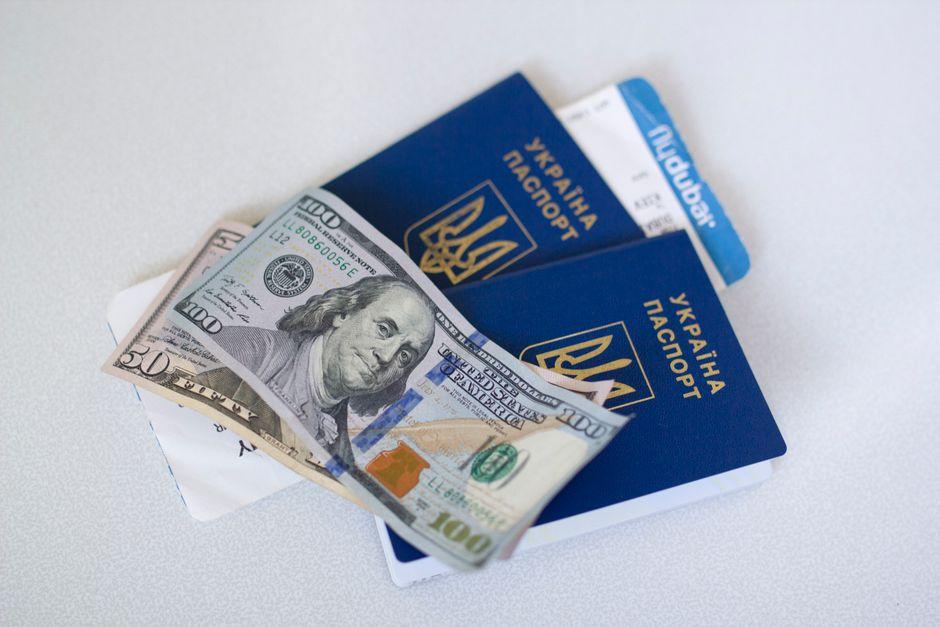
Living in the Space Where Borders Blur
Juggling life between two countries doesn’t come with a clear manual. Take Ana, for example, who holds dual citizenship of Spain and Argentina. When she first moved to Buenos Aires after years in Madrid, she assumed work culture would feel familiar. Instead, she found herself navigating unexpected bureaucracies and contrasting social norms that challenged her sense of identity. Moments like choosing where to file taxes or deciding which passport to use at the airport reveal the subtle complexities of living in the “blurred space” between two worlds. These decisions are not always straightforward; they are laced with emotional weight, practical consequences, and sometimes surprising realizations about where one truly feels rooted.
Living between borders teaches invaluable lessons in adaptability and perspective-shifting. It’s not just about paperwork or travel perks; it’s about understanding the layers of belonging that form over time. Consider the adjustment period where expectations meet reality:
| Expectation | Reality |
|---|---|
| Instant access to family in both countries | Time zone differences and travel costs often delay reunions |
| Seamless career opportunities across borders | Varied professional certifications and language nuances require extra effort |
| Easy cultural integration | Feeling like an insider in neither place at times |
- Lesson One: Flexibility becomes a way of life rather than a fallback.
- Lesson Two: Defining “home” becomes a personal journey, rich with contradictions but also depth.
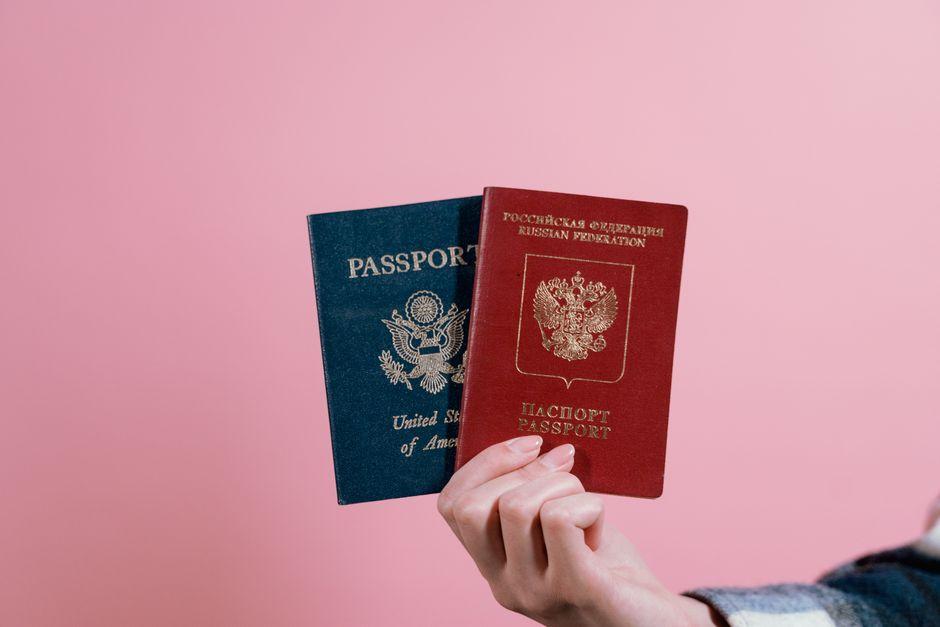
Moments of Belonging and Disconnection in Dual Landscapes
Living between two worlds often means navigating the delicate balance of belonging and disconnection. Take Samira, for example, who grew up spending summers in Egypt and school years in Canada. In Cairo, the streets smelled of spices and history, but when she clasped the hands of relatives at family gatherings, she sometimes felt like an outsider because of her accent and unfamiliar customs. Yet in Toronto, despite speaking flawless English and excelling academically, she longed for the communal warmth and deep-rooted traditions of her Egyptian heritage. These moments reveal a profound tension: the expectation that a dual-identity offers seamless integration clashes with the reality of feeling only partly at home in either place. It’s in these gaps-between language, tradition, and social nuances-that the journey of belonging becomes both challenging and deeply human.
Decisions around where to settle or which cultural norms to adopt often reflect this push and pull. Amir, who holds passports from Germany and Brazil, faced such a crossroads when choosing a university. The German system promised structure and precision, aligning well with his academic strengths, while Brazil offered the vibrant social networks that resonated with his outgoing nature. Ultimately, he chose Berlin, but the transition came with feelings of isolation born from missing his formative Brazilian community. This scenario highlights the dual passport experience as a constant navigation of contrasts-between expectation and emotional reality, between networks cultivated and those left behind. Key lessons emerge from these lived experiences:
- Belonging is fluid: It shifts depending on context, relationships, and even time.
- Disconnection can foster growth: Moments of feeling out of place often spark deeper self-awareness and resilience.
- Duality enriches perspective but complicates identity: Holding two worlds means learning to live comfortably with complexity rather than clarity.
| Expectation | Reality | Lesson Learned |
|---|---|---|
| Instant belonging in both countries | Partial acceptance and occasional alienation | Building home is an ongoing process |
| Simple choice between cultural identities | Living with hybrid identities | Identity is layered, not binary |
| Dual passports as a straightforward advantage | Benefits coupled with emotional trade-offs | Advantages must be balanced with personal challenges |
When Paper and Identity Tell Different Stories
Imagine Miriam, who holds passports from two countries but feels profoundly connected to neither in the way she assumed she would. On paper, her dual citizenship offers countless privileges – the freedom to live and work across borders, access to different education systems, and even security in times of political unrest. Yet, during a family visit to her “second homeland,” she finds herself awkwardly navigating cultural nuances, religious customs, and social expectations that feel foreign rather than familiar. The paper says she belongs, but her lived experience tells a different story, revealing that identity is layered far beyond bureaucracy.
This contrast between official documentation and personal identity is echoed in many dual passport holders’ journeys. Consider the case of Jamal, who moved to his second country as a child and embraced its language and customs wholeheartedly. Despite years of integration, the “new” locals still label him as the outsider, and his own family reminds him of his roots somewhere else. Moments like applying for a job or filling out forms highlight that one’s story on paper can clash with how society perceives or embraces them. The lessons here are subtle but powerful:
- Identity isn’t fixed: It evolves with experience, community, and self-reflection, not just legal status.
- Belonging transcends documents: It lives in daily interactions, acceptance, and self-acceptance.
- The dual passport is a bridge, not a definition: It offers options but does not prescribe a singular identity.
| Expectation | Reality |
|---|---|
| Instant sense of belonging in both countries | Ambiguity and cultural dissonance |
| Legal documents simplify identity | Emotional and social identity more complex |
| Dual citizenship as a seamless advantage | Navigating stereotypes and conflicting expectations |
Learning to Weave Two Roots into One Narrative
Imagine Ana, who carries both Portuguese and Brazilian passports, juggling not only two sets of legal documents but two deeply ingrained cultures. When she first moved to Lisbon for work, she expected to feel right at home-after all, Portuguese is her mother tongue and Brazil is her heritage. Yet, she found herself caught between expectations and reality. At family dinners, she heard familiar phrases peppered with Brazilian slang, while in the office, the more formal European expressions prevailed. Ana’s turning point came during a project presentation when she realized that weaving elements from both cultures not only reflected her authentic self but enriched her communication style. Rather than choosing one identity over the other, she began to consciously blend storytelling techniques and cultural references, creating a unique narrative that resonated with diverse audiences.
often involves moments of uncertainty and decision-making that shape this integrative journey. For instance, consider the choice of language at home versus in public spaces, or the holidays and traditions one embraces. This balancing act is rarely seamless; it requires reflection and adaptation. Key lessons from those with dual passports often include:
- Embracing cultural contradictions instead of forcing harmony
- Viewing dual identity as an asset in problem-solving and innovation
- Practicing patience as the self-narrative evolves, sometimes unevenly
- Engaging openly with communities from both cultures for mutual understanding
| Expectation | Reality | Lesson Learned |
|---|---|---|
| Immediate cultural belonging | Gradual, layered identity experience | Patience with personal growth |
| Clear-cut language use | Code-switching as a natural tool | Leveraging language fluidity for connection |
| One dominant social circle | Multiple overlapping communities | Valuing diverse support networks |
By transforming these experiences into a cohesive life story, individuals with dual passports move beyond binary notions of identity. They craft a multidimensional narrative that honors both roots while allowing new growth to flourish, ultimately navigating life’s complexities with a richer, more adaptive sense of self.
Reflections on Building a Home Without a Single Address
Living between two countries reshapes the very idea of “home.” I remember the chilly December evening when I unpacked a box of childhood photos-and yet, none of the walls around me truly felt like home. One of the smaller challenges was the constant shuffle of furnishings between spaces, each moving reminding me that nothing rested in one place for long. This transience goes beyond possessions; it’s about where you find your roots-a friend’s living room, a café where everyone knows your name, or simply the local market shouting out familiar accents. The reality hits when you realize home isn’t a fixed address but a mosaic of moments and people scattered across continents.
Decision-making gets complicated, too. Take the choice between enrolling children in a local school or opting for an international curriculum abroad. It’s not just academics but identity formation at stake-will they feel more anchored by proximity to one culture or empowered by bicultural fluency? Days blur into logistics-renewing documents, debating tax implications, negotiating time zones for Zoom calls home. The contrast between expectation and reality can be stark; you anticipate that dual passports mean double freedom but often face double bureaucracy. And yet, every challenge bears a lesson: flexibility is your greatest asset, and the home we’re building is not a place but a resilient, adaptive self that thrives between worlds.
| Challenge | Expectation | Reality | Lesson Learned |
|---|---|---|---|
| Maintaining relationships | Frequent visits keep bonds strong | Distance strains time and spontaneity | Quality over quantity matters |
| Child’s schooling | International school eases transition | Identity confusion arises | Open conversations foster belonging |
| Legal status | Dual passports simplify travel | Complex bureaucracy slows processes | Patience and organization are key |
- Embrace impermanence: Accept that “home” is fluid, made up of experiences rather than a single location.
- Create rituals: Establish family traditions that travel with you, such as Sunday dinners or holiday customs.
- Build local connections: Invest in community bonds to anchor daily life beyond borders.
In Summary
In the intricate dance between two homelands, holding a dual passport is more than a legal status-it is a lifelong journey of balance, identity, and belonging. Navigating these intertwined worlds offers both challenges and profound opportunities to broaden one’s horizons, embrace complexity, and craft a unique story that transcends borders. As we traverse this landscape, we learn that the heart’s true passport is not merely stamped with nations, but with experiences that shape who we are-always caught, yet continually evolving between two worlds.




