
In an increasingly interconnected world, the concept of identity is no longer confined to a single homeland. Secondary citizenship, a growing phenomenon in the realm of global mobility, offers individuals the unique opportunity to hold allegiance to more than one nation. But what exactly is secondary citizenship, and why is it capturing the attention of adventurous travelers, savvy investors, and professionals alike? This article delves into the essence of secondary citizenship, exploring its compelling benefits, the potential challenges it poses, and the pathways one might navigate to obtain it. Whether driven by security, opportunity, or a broader worldview, understanding secondary citizenship is key to unlocking new horizons in today’s borderless society.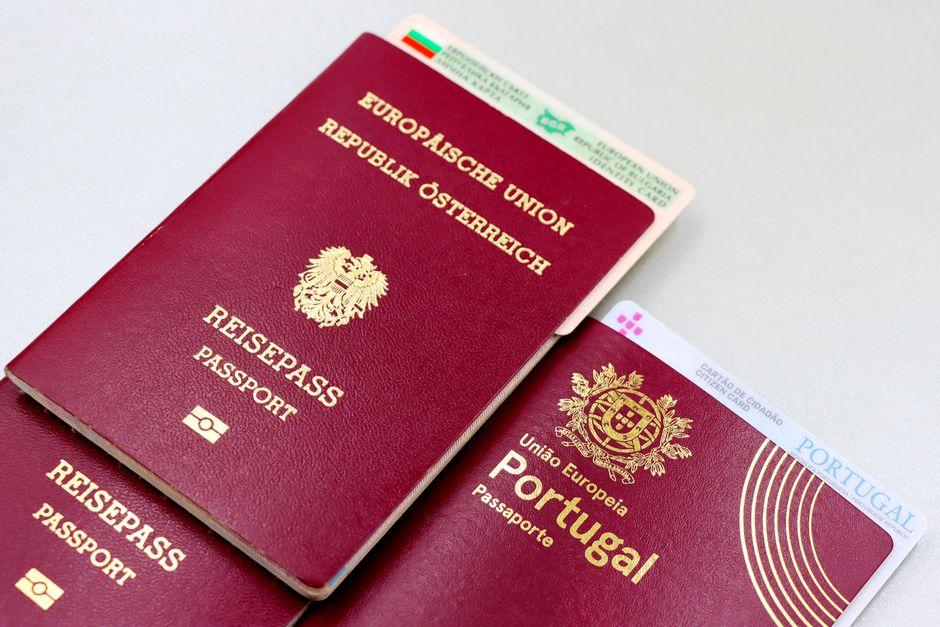
Exploring the Concept and Legal Foundations of Secondary Citizenship
Secondary citizenship refers to the status of holding citizenship in more than one country simultaneously. Unlike permanent residency or other long-term visas, secondary citizenship grants full legal rights in an additional nation, including voting, work authorization, and access to social services. The legal foundation for secondary citizenship is rooted in each country’s specific nationality laws, which dictate whether dual or multiple citizenships are permitted. Some countries adopt a restrictive approach, requiring individuals to renounce previous citizenships upon naturalization, while others are more flexible, allowing multiple allegiances. This dichotomy largely shapes the benefits and challenges associated with acquiring and maintaining secondary citizenship, influencing everything from tax obligations to international travel freedoms. Understanding these legal underpinnings is crucial for anyone considering a second citizenship as it affects their rights, responsibilities, and long-term plans.
When comparing secondary citizenship to alternatives like permanent residency or long-term visas, the advantages are clear in terms of stability and rights. Secondary citizens often enjoy fewer restrictions, greater political participation, and enhanced security against geopolitical risks. However, it also introduces complexities such as dual tax liabilities, mandatory military service, or conflicting legal obligations between countries. Below is a snapshot of common legal distinctions:
| Aspect | Secondary Citizenship | Permanent Residency |
|---|---|---|
| Voting Rights | Yes | No |
| Work Authorization | Yes | Yes (often restricted to employer/sponsor) |
| Travel Freedom | Access to country’s passport | Depends on original citizenship |
| Tax Obligations | Potentially owed in both countries | Typically owed in home country only |
- Recommendation: Before pursuing secondary citizenship, consult legal experts to assess country-specific restrictions and obligations, ensuring the benefits align with personal circumstances and future goals.
- Considerations: Double citizenship can be a powerful tool for global mobility and security but requires ongoing compliance with two sets of laws and regulations.

Advantages and Drawbacks of Holding Multiple Nationalities
Holding multiple nationalities, often referred to as dual or multiple citizenships, offers a range of tangible advantages. Among the most compelling benefits are enhanced travel freedom, where individuals can access a broader array of visas and entry rights without complicated permits. Financially, secondary citizenship can open doors to diverse banking options, investment opportunities, and tax planning strategies across different jurisdictions. Additionally, having multiple nationalities often provides greater security and flexibility in times of political or economic instability, allowing holders to live, work, and study in various countries legally. Access to social benefits, healthcare, education systems, and voting rights are other practical perks that come with holding multiple passports. However, the specific advantages may vary depending on the countries involved and their respective international agreements.
On the flip side, possessing more than one nationality also carries notable challenges. One significant drawback is the potential for double taxation, as some countries require citizens to pay taxes regardless of residency. Legal obligations like military service or jury duty can also multiply, depending on the regulations of the involved countries. Furthermore, managing multiple passports involves navigating complex bureaucracies and understanding varying citizenship laws – not all countries permit dual nationality, and some may demand renunciation of previous citizenships. Security concerns, such as the risk of losing consular protection if traveling with a passport from a country not recognized by others, also come into play. To mitigate these complexities, it is advisable to research each country’s policies thoroughly and consult legal experts specializing in immigration and nationality law before pursuing secondary citizenship.
How to Navigate the Application Process for a Second Citizenship
Navigating the application process for a second citizenship can feel complex, but understanding the key steps simplifies the journey significantly. First, it’s crucial to identify the type of citizenship available based on your circumstances-such as citizenship by descent, naturalization, investment, or marriage. Each pathway has distinct eligibility criteria, documentation requirements, and timelines. For example, citizenship by descent might require proof of lineage and birth certificates, while investment citizenship programs demand substantial financial commitments and thorough background checks. To streamline the application, prospective applicants should create a detailed checklist that includes:
- Valid passports and identification documents
- Proof of residency or investment
- Clear criminal background certificates
- Language proficiency evidence, if applicable
- Financial statements or proof of funds
Beyond paperwork, applicants should anticipate processing times that vary dramatically-from a few months for some investor programs to several years for naturalization routes. Comparing these factors side-by-side can help you choose the best fit for your goals. Consider this concise overview:
| Citizenship Type | Typical Processing Time | Key Requirements |
|---|---|---|
| By Descent | 3-12 months | Genealogical proof, documents from relatives |
| Naturalization | 3-10 years | Residency, language skills, cultural integration |
| Investment | 3-12 months | Financial investment, due diligence checks |
| Marriage | 1-4 years | Spouse’s citizenship, marriage verification |
Engaging professional legal counsel or a specialized immigration consultant is highly recommended to reduce errors, avoid delays, and navigate complex legal nuances. They can also provide up-to-date advice on changing policies and optimize your application strategy. Remember, while second citizenship offers significant global mobility and financial advantages, each application process demands thorough preparation and patience to secure successful, long-term results.
Choosing the Right Secondary Citizenship Based on Personal and Financial Goals
When choosing the right secondary citizenship, aligning your selection with your personal and financial goals is crucial. For individuals prioritizing travel freedom, focusing on countries with extensive visa-free access can save time and costs on visas. Conversely, if your goal involves securing a stable environment for retirement or family security, countries known for political stability, healthcare quality, and education systems might be more attractive. Additionally, some seek investment opportunities through citizenship-by-investment programs which can facilitate business growth and wealth diversification. Understanding these core motivations allows you to narrow down options, balancing benefits like dual nationality advantages against challenges such as tax obligations or residency requirements.
To assist decision-making, here’s a quick comparison of key factors by common secondary citizenship goals:
| Goal | Ideal Citizenship Features | Common Challenges |
|---|---|---|
| Global Mobility | High visa-free travel, multiple passport acceptance | Complex application processes, varying dual citizenship policies |
| Financial Optimization | Favorable tax regimes, investment-friendly laws | Potential scrutiny by home country tax authorities |
| Family Security & Healthcare | Access to quality healthcare, stable governance, education benefits | Higher cost of living, residency requirements |
Ultimately, choose a secondary citizenship program that offers clear benefits aligned with your priorities and acknowledge the practical implications, such as the time and cost involved, ongoing residency obligations, and legal compliance in both your native and secondary country. Consulting specialized legal advisors can also clarify which options best fit your profile and long-term objectives.
Common Myths About Dual Citizenship and What You Should Know
One of the most persistent myths about dual citizenship is that it automatically means double taxation or mandatory military service. While it’s true that some countries have tax obligations or conscription policies, dual citizenship does not inherently impose these burdens. Many countries have tax treaties to prevent double taxation, and obligations like military service often depend on residency rather than citizenship status alone. Another common misconception is that holding dual citizenship complicates travel or legal rights. In reality, secondary citizenship can provide access to additional passports, easing visa requirements and expanding mobility. However, travelers should be aware of the specific legal nuances, such as which passport to use when entering or leaving a particular country, to avoid potential conflicts.
People often assume that dual citizenship requires equal allegiance or that it forces you to choose one nationality over the other. Legally, this is rarely the case; most dual citizens enjoy the rights and responsibilities of both countries independently, though some nations may have unique rules regarding political participation or security clearances. It’s also important to differentiate between dual citizenship and secondary citizenship, terms sometimes used interchangeably. Secondary citizenship emphasizes obtaining citizenship beyond one’s original nationality, potentially without immediate logistical or legal conflicts. Here’s a quick comparison to clarify:
| Aspect | Dual Citizenship | Secondary Citizenship |
|---|---|---|
| Definition | Simultaneously holding citizenship in two countries | Obtaining citizenship in another country, either in addition to or irrespective of original citizenship |
| Taxation | Depends on countries, but often mitigated by treaties | Varies; sometimes less complex if primary citizenship is renounced |
| Rights & Obligations | Enjoys rights and duties from both countries | May focus on rights from the new citizenship, depending on status |
| Travel Freedom | Enhanced through multiple passports | Dependent on the second citizenship’s global access |
Understanding these distinctions helps dispel confusion and sets realistic expectations about what dual or secondary citizenship entails. If considering this path, consulting with legal experts and researching country-specific laws is highly recommended to navigate complexities and maximize benefits.
In Conclusion
In the evolving landscape of global mobility, secondary citizenship offers a unique passport to new horizons-opening doors to diverse cultures, economic opportunities, and enhanced security. Yet, it also brings complexities that require thoughtful consideration and careful navigation. By understanding the benefits, acknowledging the challenges, and exploring the pathways to obtain it, individuals can make informed decisions that align with their personal and professional aspirations. Whether driven by adventure, pragmatism, or necessity, secondary citizenship remains a powerful tool in today’s interconnected world, inviting us all to rethink the meaning of home and belonging.




