
In a world increasingly woven together by global connections, the concept of belonging no longer fits neatly within geographical boundaries. For those who hold dual nationality, life unfolds between two distinct worlds-each with its own culture, laws, and sense of identity. Navigating this intricate landscape requires more than just a passport; it demands an understanding of the complexities and choices that come with straddling multiple national identities. This article delves into the nuanced reality of dual nationality, exploring how individuals balance opportunity and obligation as they chart their paths between overlapping sovereignties.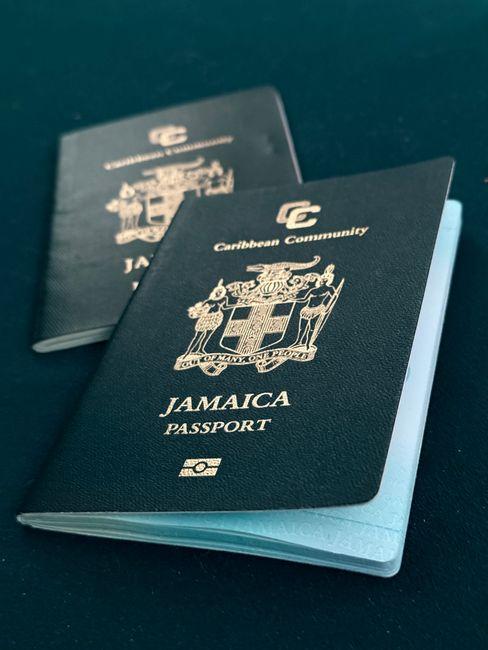
Balancing Belonging and Identity Across Borders
For Ana, who was born in Brazil but raised in Canada, balancing her sense of belonging often feels like walking a tightrope between two distinct worlds. At family gatherings, she revels in the vibrant, loud celebrations that remind her of her Brazilian roots, but once back in her Toronto apartment, her reality shifts to the quieter, more reserved Canadian lifestyle. This duality is more than just cultural; it’s deeply tied to her identity and daily decisions. One poignant moment came when Ana was offered a job in São Paulo-an opportunity that excited her but also terrified her. Accepting meant uprooting her life and possibly straining her professional growth in Canada, while declining felt like denying a piece of her heritage. Navigating these choice moments reveals a broader truth about dual nationality: it isn’t just a legal status, but a continuous negotiation of where and how one fits, often requiring embracing fluidity rather than fixed answers.
Many in similar situations find themselves revisiting assumptions about what “home” means. For Amir, a dual citizen of Germany and Turkey, language often plays the role of gatekeeper between belonging and alienation. Despite fluency in both languages, he noticed that with his German friends, conversations about his Turkish background could sometimes feel superficial or stereotyped. Meanwhile, visiting Turkey reactivated a different set of expectations-relatives eager to see “the German” version of him. This tug-of-war unveils unexpected contrasts: a strong legal or emotional attachment to a country does not always translate to seamless integration or acceptance. The experience often comes with lessons such as:
- Embracing complexity: Accepting that dual identity involves contradictions and evolving affiliations.
- Creating new communities: Finding spaces, perhaps digital or multicultural, where multiple identities coexist naturally.
- Redefining home: Understanding that home can be more of a feeling or a mindset, rather than a fixed geographical location.
| Challenge | Expectation | Reality/Lesson |
|---|---|---|
| Choosing where to live/work | One nation clearly feels right | Decisions often involve trade-offs and evolving priorities |
| Family/cultural acceptance | Being “fully” accepted in both cultures | Belonging can be partial, fragmented, or conditional |
| Identity consistency | Clear-cut personal identity | Identity is fluid and context-dependent |
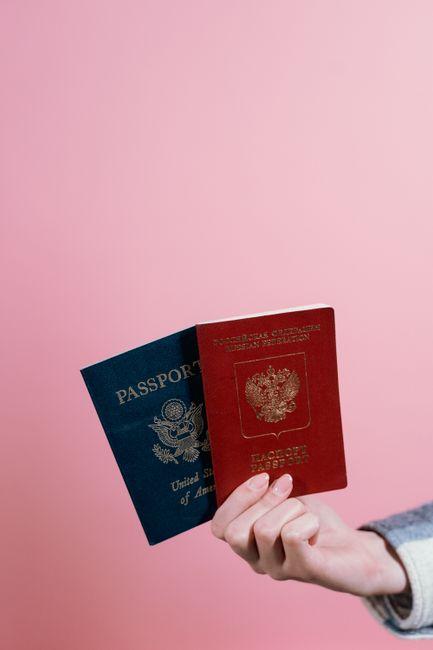
The Quiet Dilemmas of Divided Loyalties
Imagine Ana, born in Brazil but raised between São Paulo and Chicago, who has a deep emotional tug from both places. When her mother fell ill, Ana faced a painful decision: stay in the U.S. to maintain her job security or fly back to Brazil to provide care. It wasn’t just about geography – it was about where her loyalty lay in a moment that demanded presence, love, and commitment. Dual nationality often thrusts individuals into such quiet dilemmas where legal rights open pathways, but the heart pulls in contrasting directions. These moments are rarely dramatic; instead, they linger in the everyday decisions, like choosing which flag to wave during an international sports event or reconciling the pride of two cultures with the reality of societal expectations.
One common scenario involves voting: take Ahmed, who holds citizenship in both Canada and Egypt. During a critical election in Egypt, he wrestled with supporting policies back home while feeling fully integrated into Canadian society. His dilemma revealed deeper tensions between civic responsibility and personal identity, exposing how dual nationality is not merely a passport convenience but a constant negotiation. Below is a quick look at how such loyalty tensions might play out:
| Situation | Expectation | Reality |
|---|---|---|
| Participating in national holidays | Celebrate both with equal enthusiasm | Occasionally feel disconnected or obligated to choose |
| Legal obligations like taxes or military service | Clear-cut responsibilities that align with identity | Complex, overlapping duties causing stress or confusion |
| Professional loyalty and opportunities | Benefit from dual options without conflict | Choose one market or culture over the other, risking exclusion |
- Lesson: Dual nationality is often less about entitlement and more about managing invisible emotional costs.
- Decision moments: They arise in quiet everyday life, revealing much about personal values and cultural negotiation.
Journeys of Choice Between Cultural Expectations and Personal Freedom
Consider Lara, a young professional with dual nationality who faces the tension between her family’s traditional expectations and her own desire for personal freedom. Raised in a household valuing collective success and adherence to cultural rituals, Lara’s ambition to pursue an unconventional career in digital arts initially met with resistance. The crossroads became evident when she was offered a scholarship abroad-an opportunity promising creative growth but implying distance from the familiar role her family envisioned. This moment of choice illuminated a broader narrative many face: balancing respect for cultural heritage while asserting individual identity. Lara’s journey shows that such decisions aren’t black and white but filled with delicate negotiation, where asserting personal freedom also requires navigating empathetic conversations and compromises to maintain familial bonds.
On the other hand, there is Amir, whose story contrasts sharply with Lara’s. Born to immigrant parents, Amir feels the pressure to succeed academically, fulfilling the high expectations placed on him by his community. However, his passion lies in entrepreneurship-a path seen by his family as risky and unstable. After years of silently bearing this conflict, he decided to have a candid discussion, laying out his vision and how it aligned with both his identity and values. This conversation shifted perspectives, sparking mutual understanding rather than confrontation. Their experience underscores key lessons:
- Open dialogue paves the way for reconciling diverging expectations.
- Identity is fluid, often blending tradition with innovation rather than replacing one with the other.
- A supportive network can transform cultural tension into collective growth.
| Expectation | Personal Choice | Outcome |
|---|---|---|
| Maintain a conventional career to honor family tradition | Pursue digital arts scholarship abroad | Expanded horizons, family’s cautious support after initial resistance |
| Excel academically in a secure field | Launch entrepreneurship venture | Broader family understanding and active encouragement |
Unexpected Lessons from Embracing Two Passports
When Maria first acquired her second passport, she envisioned a straightforward upgrade to her freedom of movement and job opportunities. What she didn’t expect was the nuanced reality of juggling two distinct legal identities. For instance, she learned firsthand that celebrating national holidays or filing taxes isn’t just a bureaucratic task-it’s a moment of choice, often laden with cultural reflection and sometimes conflicting duties. In one instance, choosing where to declare residency for tax purposes felt less like a financial decision and more like a statement about where she truly felt at home. This unexpected lesson taught her that dual nationality often means navigating a subtle balancing act between two sets of rights and responsibilities, pushing her to rethink her relationship with each country in deeply personal ways.
Contrast that with James, whose second passport opened doors to spontaneous travel and networking opportunities he never imagined. Yet, the surprise came with uncovering administrative complexities, such as renewing two sets of documents or managing consular relationships on both sides. One vivid moment was when he realized that while his dual passports offered flexibility, they also demanded vigilance-such as understanding which visa rules applied to him under which passport at any given time. This experience highlighted a key takeaway for many in this journey: holding two passports doesn’t just double convenience; it doubles the layers of learning, adaptation, and awareness. Below is a quick comparison capturing these realities:
| Expectations | Results & Realities |
|---|---|
| Seamless travel and work across two countries | Found logistical nuances like dual tax obligations and legal nuances |
| Feeling fully “part” of both cultures | Experienced occasional tensions in personal identity and allegiance |
| Simple document management | Discovered the need for meticulous organization and legal awareness |
| Greater freedom in life choices | Faced complex decisions requiring constant negotiation of two legal frameworks |
- Flexibility is real but demands constant situational awareness.
- Emotional complexity often accompanies the practical benefits.
- Legal obligations require proactive management, not just passive enjoyment.
Stories of Belonging Where Roots and Wings Converge
When Ana moved from Mexico to Canada as a child, the vibrant culture of her birthplace lived inside her, yet the Canadian landscape shaped her daily experiences. Her dual nationality wasn’t just about passports; it was a continuous balancing act between two identities. At school, she excelled in Canadian customs and English, while at home, family dinners burst with Spanish conversations and traditional recipes. The tension became palpable during citizenship ceremonies or when choosing which nation to represent during international events. Ana’s story reflects a common crossroads for many: a desire to honor one’s roots without losing the opportunity to soar in a new sky. Often, the expectations of dual nationality promise a seamless blending of worlds, but the reality is a mosaic of choices and compromises that define personal growth.
Consider also Hassan, born in France to Algerian parents, who faced a pivotal moment after university. Should he pursue a promising career in Paris or return to Algeria to contribute to his community? His dual nationality enabled him to weigh options that might be unimaginable to those rooted in a single homeland. Yet, the weight of belonging to both places also meant confronting contrasting expectations: the career-driven culture of France versus familial obligations in Algeria. His journey highlights key lessons:
- Identity is fluid: Belonging does not demand exclusive loyalty but thrives in the dialogue between cultures.
- Decision moments are not definitive: Paths may cross again, and wings cultivated in one country can lift dreams nurtured in another.
- Challenges foster resilience: Navigating dual nationality sharpens adaptability and deepens empathy.
| Expectation | Reality |
|---|---|
| Effortless cultural integration | Continuous negotiation of identity and belonging |
| Clear-cut allegiance | Fluid, evolving sense of loyalty |
| One homeland’s opportunities suffice | Hybrid advantages and complex choices across nations |
Insights and Conclusions
As the threads of identity weave through diverse cultures and histories, those who live between two worlds embody the unique beauty and challenge of dual nationality. It is a journey marked by choices that shape not only legal status but also the very essence of belonging. Navigating this landscape requires more than paperwork; it demands reflection, resilience, and an embrace of complexity. In the end, dual nationality is not simply a matter of passports or borders-it is a living narrative of connection, contrast, and the ever-evolving quest to define oneself amid a world without clear lines.




