
In a world that feels increasingly interconnected, the concept of belonging to more than one nation is no longer a distant curiosity but a tangible reality for millions. Dual nationality citizenship-holding legal allegiance to two countries simultaneously-opens doors to a complex tapestry of opportunities and obstacles. From expansive travel freedoms and economic advantages to intricate legal dilemmas and identity questions, dual citizenship is a multifaceted phenomenon that transcends borders. This article dives into the heart of dual nationality, unraveling how it works across different countries, the benefits it can offer, and the challenges that come with navigating life in two legal worlds. Whether you’re exploring your own eligibility or simply intrigued by the idea of holding multiple passports, join us as we explore this global citizenship crossroads.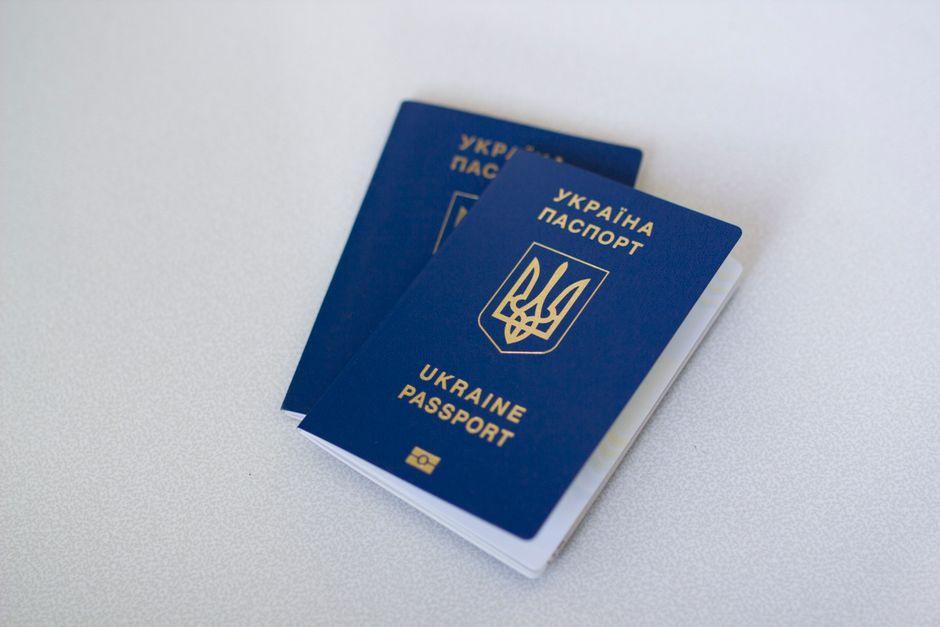
Understanding Dual Nationality and Its Global Impact
Dual nationality refers to the status of an individual who is legally recognized as a citizen of two countries simultaneously. This can arise through various means such as birthright, marriage, naturalization, or descent. Understanding this concept is crucial because each nation’s laws influence how dual citizens are treated, including their rights, obligations, and interactions with legal systems. For example, dual nationals may enjoy the right to live, work, or study in both countries, vote in elections, and access social services. However, this status also requires navigating potentially conflicting laws on taxation, military service, or diplomatic protection, as not all countries fully recognize or accommodate dual citizenship. Awareness of these intricacies helps individuals make informed decisions, particularly in today’s increasingly globalized world where migration and cross-border ties are common.
Globally, the acceptance and regulation of dual nationality vary widely. Some nations actively encourage it to strengthen diasporic connections or attract talent, while others prohibit it, fearing divided loyalties or legal complications. The benefits for holders of dual citizenship often include enhanced mobility, broader employment opportunities, and cultural enrichment. Conversely, challenges may involve complex tax filings, inheritance conflicts, or even the risk of losing citizenship by one country if rules are not carefully followed. To navigate this, individuals should:
- Research specific bilateral agreements and residency laws between their two countries;
- Understand each country’s stance on military obligations and taxation;
- Consult legal experts knowledgeable in international citizenship policies.
Below is a simplified comparison of dual nationality policies in select countries:
| Country | Dual Citizenship Policy | Key Restriction |
|---|---|---|
| United States | Permitted | Taxation on global income |
| Japan | Generally prohibited | Must choose one citizenship before age 22 |
| Canada | Permitted | None specific |
| Germany | Restricted | Requires special permission |
Exploring the Unique Advantages of Holding Two Passports
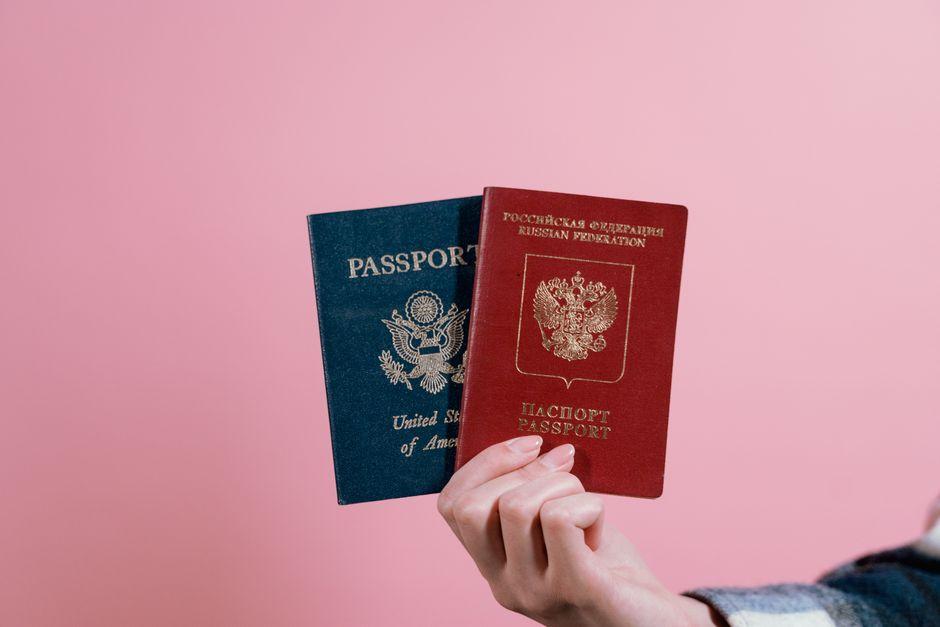
Holding two passports-commonly referred to as dual citizenship or dual nationality-grants individuals a range of tangible advantages that extend beyond simple travel convenience. For instance, enhanced global mobility is a primary benefit; dual citizens can enter two countries under their respective passports, often bypassing visa requirements or lengthy applications. This can translate into significant savings of time and money, especially for frequent travelers or business professionals. Beyond borders, dual nationality offers expanded employment and business opportunities, allowing individuals to work, invest, or start companies under the legal frameworks of both countries without needing special permits. Additionally, access to public services like healthcare, education, and social security in multiple countries often becomes available, broadening personal and family support systems.
While the benefits are compelling, some challenges merit consideration, such as tax obligations or mandatory military service, which vary widely by country. Comparing these facets can guide decisions about pursuing dual citizenship. The following table briefly outlines key practical advantages and potential pitfalls that dual passport holders might face:
| Advantage | Explanation | Potential Challenge |
|---|---|---|
| Visa-Free Travel | Use the passport with better access to specific countries. | Some nations restrict dual passport holders from diplomatic protection. |
| Work & Residency Rights | Ability to live and work legally in both countries. | Complex tax filing and reporting in both jurisdictions. |
| Property Ownership | Easier to purchase and manage property domestically. | Legal restrictions may vary based on dual status. |
| Access to Social Services | Eligibility for social benefits, education, and healthcare. | Compulsory civic duties like military service in some countries. |
Individuals considering dual nationality should weigh these factors carefully. Seeking legal advice tailored to specific countries involved is often recommended, ensuring that the unique advantages of holding two passports align well with one’s personal, professional, and financial circumstances.
Navigating Common Challenges Faced by Dual Citizens
often requires understanding the legal and practical complexities that arise from holding two nationalities simultaneously. One key issue is the potential for conflicting obligations, such as taxation and military service. Many countries expect citizens to fulfill tax responsibilities regardless of their residence or additional citizenship, which can lead to double taxation if there are no treaties in place. Similarly, some dual nationals might be subject to compulsory military service in both countries, creating difficult decisions. Passport use can also pose complications, as dual citizens may be required to enter and exit each country using its respective passport-a legal requirement that not all travelers are familiar with. Awareness of these intricacies helps prevent unexpected legal troubles and travel disruptions.
Additionally, dual nationality can complicate personal matters like inheritance laws, voting rights, and eligibility for public office, as these vary widely between countries. For example, some nations restrict property ownership for foreigners, which could impact your rights based on your citizenship status. In cases of international disputes, a dual citizen may find limited consular protection since neither country fully represents their sole allegiance. To manage these challenges effectively, it’s advisable to:
- Consult legal experts specializing in immigration and international tax to ensure compliance.
- Stay informed on the laws concerning dual nationality in both countries.
- Maintain clear documentation and carefully track tax filings, military obligations, and travel regulations.
- Consider diplomatic positions of both countries regarding dual citizenship to anticipate potential limitations.
| Challenge | Potential Impact | Recommended Action |
|---|---|---|
| Double Taxation | Financial burden due to taxes owed in both countries | Check for tax treaties and file appropriately |
| Military Service | Obligation to serve in armed forces of one or both countries | Understand conscription laws and seek deferments if possible |
| Legal Conflicts | Complications in inheritance, property rights, and voting | Research laws and consult legal counsel |
How Different Countries Approach Dual Citizenship Rules
Countries vary widely in how they handle dual citizenship, reflecting different historical, legal, and cultural priorities. Some nations, like Canada, Australia, and the United Kingdom, embrace dual nationality, allowing citizens to hold multiple passports simultaneously without forfeiting their original citizenship. This flexibility often enhances global mobility, access to social services, and simplified bureaucratic processes for dual citizens. On the other hand, countries such as Japan, China, and India generally restrict dual citizenship, requiring individuals to renounce one nationality upon acquiring another, motivated by concerns around loyalty, security, and clarity in legal obligations. These contrasting approaches shape the benefits and challenges individuals face depending on where they live or hold citizenship.
When comparing policies, it’s essential to consider common factors that influence dual citizenship rules across countries:
- Legal recognition: Some countries formally recognize dual citizenship with specific regulations, while others prohibit it outright or recognize it only under limited circumstances.
- Retention of rights and obligations: Dual citizens may have different rights regarding voting, taxation, and military service depending on their country’s stance.
- Naturalization policies: The conditions under which someone can acquire dual citizenship-by birth, descent, marriage, or naturalization-vary significantly.
| Country | Dual Citizenship Allowed? | Key Notes |
|---|---|---|
| Canada | Yes | Allows dual citizenship with few restrictions |
| Japan | No (with exceptions) | Requires choice by age 22 if dual citizenship by birth |
| Germany | Limited | Allows dual citizenship with EU or Swiss nationals; others usually must renounce previous citizenship |
| India | No | Does not allow dual citizenship; Overseas Citizenship of India (OCI) provides some rights without full citizenship status |
For individuals navigating these complexities, researching the specific dual citizenship rules and potential consequences in both their home country and the country of interest is crucial. Legal advice may be recommended to avoid unintended loss of nationality or obligations such as taxes or military service. Awareness of each country’s approach ensures better planning and maximizes the benefits of holding multiple citizenships while mitigating challenges.
Tips for Choosing Dual Nationality and Avoiding Common Pitfalls
When considering dual nationality, it’s crucial to thoroughly research each country’s specific laws and policies, as eligibility criteria and restrictions vary widely. Some nations allow dual citizenship freely, while others impose limitations or require renunciation of the original nationality. To avoid legal complications, verify whether your countries of interest recognize dual nationality and what obligations come with it-such as mandatory military service, tax filings, or restrictions on public office. Additionally, be mindful of how holding two passports might impact your travel freedom; some passports offer broader visa-free access, while others could lead to increased scrutiny or even travel bans in cases of diplomatic tensions.
To navigate common pitfalls effectively, prioritize transparency and organization from the start. Keep detailed documentation, including naturalization papers and any tax records, to prevent future disputes or delays. Consider consulting immigration experts or legal advisors who specialize in bilateral nationality issues for tailored guidance. It’s also helpful to weigh the practical benefits-like access to education, healthcare, and work rights-against potential drawbacks such as double taxation or civic duty conflicts. The table below highlights key benefits and challenges to keep in mind when managing dual citizenship:
| Aspect | Benefit | Potential Challenge |
|---|---|---|
| Legal Status | Extra security if one passport becomes unusable | Conflicting laws between countries (e.g., military service, allegiance) |
| Travel | Increased visa-free access to more countries | Possible scrutiny or travel restrictions due to dual passport holdings |
| Financial | Access to banking and economic opportunities in both countries | Risk of double taxation or complex reporting requirements |
| Social & Civic | Right to work, study, and live in either country | Obligations like jury duty or voting that may conflict between nations |
Wrapping Up
In a world that grows ever more connected, dual nationality stands as a bridge between cultures, opportunities, and identities. While it offers remarkable benefits-from expanded rights and freedom of movement to enriched personal heritage-it also presents complexities that require careful navigation. Understanding how dual citizenship works across different countries empowers individuals to make informed choices about their legal statuses and the doors they open. Ultimately, dual nationality is more than a legal condition; it’s a reflection of our dynamic global identities and the increasingly multifaceted ways we relate to the world around us.




