
In an era where the world feels simultaneously vast and connected, the concept of citizenship is undergoing a profound transformation. No longer merely defined by birthplace or heritage, the boundaries of national identity are being redrawn through innovative financial avenues. Passport-by-investment programs-once niche and obscure-are now at the forefront of this evolution, offering a new form of global mobility that transcends traditional notions of allegiance and belonging. As these programs reshape how individuals navigate borders and access opportunities, they also prompt us to reconsider the meaning of citizenship itself. This article delves into the rising phenomenon of passport-by-investment, exploring how it is redefining freedom of movement and challenging the long-established frameworks of nationality.
The Illusion of Instant Freedom: Unpacking the Hidden Costs of Passport-by-Investment
At first glance, passport-by-investment programs seduce with the promise of swift, almost effortless global mobility-instant freedom, one might say-throwing traditional citizenship norms into question. Yet, this allure often glosses over a web of hidden costs and complex trade-offs. Beyond the upfront financial commitment, applicants face intangible burdens: since these passports are fundamentally transactional, they can trigger suspicion from immigration authorities worldwide, potentially casting a shadow on the holder’s credibility. Moreover, the commodification of nationality risks diluting the intrinsic value of citizenship, reducing it to a privilege purchasable by wealth rather than earned through genuine ties or civic participation. This transformation challenges societal cohesion and the principle that citizenship entails responsibilities alongside rights.
A more discerning approach recognizes that not all passport-by-investment schemes are created equal. Programs vary significantly in due diligence rigor, geopolitical leverage, and the stability they confer. For instance, countries with robust vetting processes may mitigate reputational risks but also constrict accessibility, whereas more permissive schemes invite criticism and regulatory scrutiny. Potential investors must weigh:
- Cost versus credibility-Is a cheaper option worth the potential for increased visa denials or legal hurdles?
- Long-term value versus immediacy-Does the passport provide durable benefits, or is it a short-term escape hatch?
- Moral implications-How does commodifying citizenship affect global perceptions of equity and belonging?
Thoughtful stakeholders avoid assuming that instant passport access equals unrestricted freedom. Instead, they strategically integrate these new tools within broader life and business decisions, acknowledging that true global mobility demands more than just a document-it requires acceptance, integration, and enduring legitimacy.
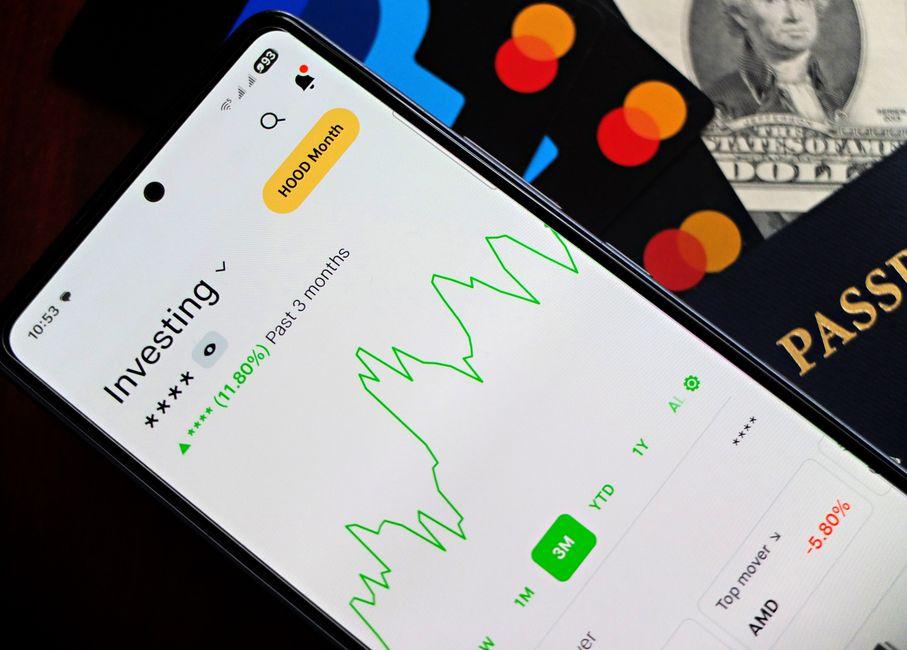
When Money Buys Identity: Ethical Dilemmas and Sovereignty in a Transactional World
The commodification of citizenship through passport-by-investment programs unearths profound ethical dilemmas that challenge the very fabric of national identity and sovereignty. It is tempting to view these transactions as straightforward economic exchanges-capital for convenience-but this reductive perspective obscures the tension between national allegiance and monetary capability. When citizenship ceases to be a marker of shared cultural, historical, or social commitment and instead becomes a commodity, it risks diluting the intrinsic value of belonging and undermining the trust between a state and its populace. The assumption that all citizens should hold equal moral and legal standing falters when identity is accessible primarily to the affluent. However, dismissing these programs outright ignores their potential as pragmatic tools for small or developing states seeking economic resilience, making it essential to critically parse the contexts in which such offerings operate.
Balancing economic imperatives with the preservation of sovereign values requires nuanced policy frameworks that move beyond the binary of acceptance or rejection. States might consider tiered citizenship models, where investment grants limited residency rights or economic participation without full political enfranchisement, preserving core aspects of sovereignty while harnessing global capital flows. Transparency and stringent due diligence are non-negotiable to prevent these programs from becoming conduits for money laundering or tax evasion, which feed public distrust and international backlash. Below is a concise comparative framework to differentiate transactional citizenship approaches and their ethical implications:
| Program Type | Scope of Rights Granted | Ethical Concerns | Potential Safeguards |
|---|---|---|---|
| Full Citizenship (Voting, Passport, Residency) |
Complete political and civil rights | Risk of ‘passport for sale’ stigma; societal divide | Robust vetting; periodic reassessment |
| Limited Residency (No Voting Rights) |
Access to stay/travel but no full citizenship | Creates second-class status; questions on integration | Clear expiration; path to full citizenship restrictions |
| Economic Partnership (Investment without Residency) |
Financial contributor status only | Perceived as privilege without integration | Transparent investment impact reporting |
Beyond Borders or Beyond Belief: Evaluating the True Impact on Global Inequality
Passport-by-investment (PBI) programs are often portrayed as golden tickets leveling the economic playing field-granting unprecedented mobility to the wealthy in developing countries. Yet, such a framing oversimplifies and obscures the nuanced reality that PBI schemes often deepen global inequalities under the guise of opportunity. While undeniably expanding personal freedom for affluent applicants, these programs primarily serve as instruments of privilege preservation, enabling a global elite to sidestep restrictive immigration policies and economic barriers. The core issue lies in the transactional nature of access: citizenship, a traditionally collective and identity-anchored concept, is commodified and privatized. This not only trivializes citizenship’s social contract but risks entrenching a bifurcated world where citizenship is a secret code available only to those who can afford it, rather than a right earned or deserved through residence or contribution.
However, dismissing PBI outright ignores its subtle potential as a lever for nuanced economic development and diplomatic engagement-provided reforms address inherent imbalances. Governments leveraging these programs should be held to robust standards ensuring that revenue generated tangibly uplifts local communities, such as:
- Targeted investments in infrastructure, education, and health services, rather than fungible government coffers.
- Transparency mandates to prevent misuse or corruption that often sidelines the very citizens left behind.
- Inclusive criteria integrating long-term residency or contribution pathways, blurring lines between transactional and earned citizenship.
Careful calibration of such mechanisms could shift PBI from a mere mobility shortcut into a more genuine tool for bridging, rather than exacerbating, global divides. Yet, the challenge remains profound: without critical oversight and a willingness to rethink citizenship beyond simple economic transactions, PBI risks becoming less about empowerment and more a gilded divide symbolizing the very inequalities it claims to transcend.
Strategic Citizenship: How Wealth Shapes New Pathways and Perpetuates Old Divides
Strategic citizenship, enabled predominantly through passport-by-investment schemes, is reshaping the traditional notion of belonging by commodifying identity and mobility. While these programs open tangible new corridors for global opportunity, they simultaneously crystallize socioeconomic divides rather than erode them. The wealthy gain a decisive, sometimes seamless, entry into geographies once constrained by complex visa regimes-this is not mere convenience but a structural advantage that extends beyond travel. Yet, this stratification challenges the assumption that globalization naturally democratizes opportunity; instead, it underscores how capital can entrench privilege in citizenship itself. This dynamic is neither inherently good nor bad but demands a critical lens on how citizenship policies might prioritize financial criteria over social cohesion or civic integration, potentially reducing a foundational political relationship to a transactional asset.
Policy makers and stakeholders must navigate uncomfortable trade-offs between economic pragmatism and social justice. While the inflow of capital from strategic citizenship can stimulate small economies, funding infrastructure or public services, it risks amplifying perceptions of inequality and exclusion. Certainly, not all passport-by-investment schemes are created equal-some enforce robust due diligence and seek to integrate new citizens; others operate with opaque standards that invite loopholes and undermine trust. As such, governments should adopt a hybrid approach featuring:
- Stringent vetting to balance security and legitimacy against mere wealth.
- Civic integration requirements beyond monetary investment, ensuring citizenship entails mutual obligations and rights.
- Transparent governance to prevent exploitation and maintain public confidence in the value of national identity.
| Dimension | Traditional Citizenship | Strategic Citizenship |
|---|---|---|
| Access | Based on birthright or residency | Market-driven, based on financial capacity |
| Societal Integration | Typically deep, with expectations of participation | Varies widely, often minimal or transactional |
| Global Mobility | Limited by geopolitical relations | Enhanced strategically by investment power |
Ultimately, strategic citizenship illuminates the evolving tensions between wealth and identity in a hyper-connected world. It prompts us to rethink whose interests citizenship systems serve, and how to safeguard their legitimacy in a future where money increasingly buys not just access but belonging itself.
Exploring Smarter Alternatives: Rethinking Global Mobility Without Selling Statesmanship
While passport-by-investment programs have garnered praise for accelerating global mobility, they inadvertently risk commodifying the intangible fabric of statesmanship-commitment, civic responsibility, and national identity. The challenge lies in crafting alternatives that embrace technological innovation and economic pragmatism without reducing citizenship to a transactional exchange. Rather than viewing citizenship as a mere “passport” to traverse borders, smarter alternatives must recognize that true mobility is rooted in mutual trust, informed integration, and shared societal values. This demands a departure from zero-sum thinking, where gaining economic advantages through rapid citizenship replaces nuanced evaluation of long-term societal cohesion. For instance, reimagining global mobility could involve enhanced digital identities paired with tiered participatory rights, allowing individuals to access international opportunities without fully divorcing from traditional notions of belonging.
Smart policy frameworks should weigh these trade-offs deliberately and refuse to accept the binary of “sell passports or maintain exclusive citizenship.” A more discerning approach includes:
- Hybrid citizenship models that blend residence-based privileges with conditional investment components, fostering gradual integration instead of immediate full membership.
- Internationally coordinated vetting systems that uphold security and ethical standards without unduly limiting the flow of global talent and capital.
- Investment channels aligned with social impact prioritizing contributions to infrastructure, education, and environmental sustainability over arbitrary financial thresholds.
Such targeted refinements could foster global mobility embedded in responsible governance, where statesmanship remains intact, and citizenship transcends a mere commodity. Innovation should enhance-not eclipse-the meaningful social contract between individuals and the polity, ensuring that mobility is a right earned through engagement, not simply purchased.
Future Outlook
As the world grows more interconnected, the concept of citizenship is evolving beyond the lines drawn on maps and the dictates of birthright. Passport-by-investment programs are not merely economic tools; they are catalysts reshaping how we navigate identity, opportunity, and belonging. In redefining global mobility, these programs challenge us to reconsider what it truly means to be a citizen in an age where borders are increasingly fluid. Whether viewed as gateways to new possibilities or as controversial disruptors of tradition, one thing is clear: the future of citizenship is no longer confined by geography-it is being rewritten, one passport at a time.




