
In a world where the lines between nations are both defined and fluid, the allure of investment citizenship programs has emerged as a compelling narrative of opportunity and transformation. Beyond glossy brochures and enticing promises lie the real stories of individuals and families navigating complex journeys-crossing borders not just geographically, but culturally and economically-to build new futures. This article delves into the multifaceted experiences behind these programs, exploring how they reshape identities, influence global mobility, and redefine what it means to belong in an interconnected era. Welcome to the intricate world of crossing borders and building futures through investment citizenship.
Navigating Complex Choices on the Path to Dual Citizenship
When Maria first considered investment citizenship, her vision was clear: a smooth process, a new passport in hand within months, and boundless opportunities abroad. Yet, the reality was far more intricate. She found herself weighing a myriad of factors-each with its own ripple effect on her future. For instance, some programs demanded real estate investments that tied up capital for years, while others offered expedited timelines but required larger financial commitments. Maria’s journey underscored the importance of asking critical questions early on, such as:
- What are the residency requirements, and how flexible are they?
- How does the local bureaucracy handle application processing?
- What are the tax implications both at home and abroad?
Her decision-making process also illuminated the stark contrast between the glossy brochures advertising “quick and easy” pathways and the realities of due diligence, background checks, and sometimes unexpected administrative delays.
Consider James, who opted for a Caribbean program primarily because of its perceived speed and low investment threshold. While he ultimately secured his second citizenship, he learned that not all passports carry equal “travel freedom.” Despite meeting expectations regarding timing, James later realized the limited visa-free countries his new citizenship offered, which directly impacted his business travels. This highlights a crucial lesson for those navigating these waters: choosing a program is not solely about upfront costs or timing but aligning the eventual benefits with personal and professional goals. A helpful comparison like the one below can clarify these nuances:
| Program | Investment Type | Average Processing Time | Visa-Free Access | Residency Requirement |
|---|---|---|---|---|
| Caribbean CBI | Donation / Real Estate | 3-6 Months | 140+ Countries | None |
| European Citizenship by Investment | Real Estate / Business | 12-18 Months | 185+ Countries | 6-12 Months Residency |
| Other Programs | Various | Varies | Varies | Varies |
Ultimately, the path to dual citizenship through investment is a landscape of complex choices where personal priorities, program details, and long-term outcomes intertwine. Each journey offers valuable lessons: anticipate unexpected hurdles, verify the substance behind the promises, and tailor your choice not only to what looks appealing now but what will serve you best in the years ahead.
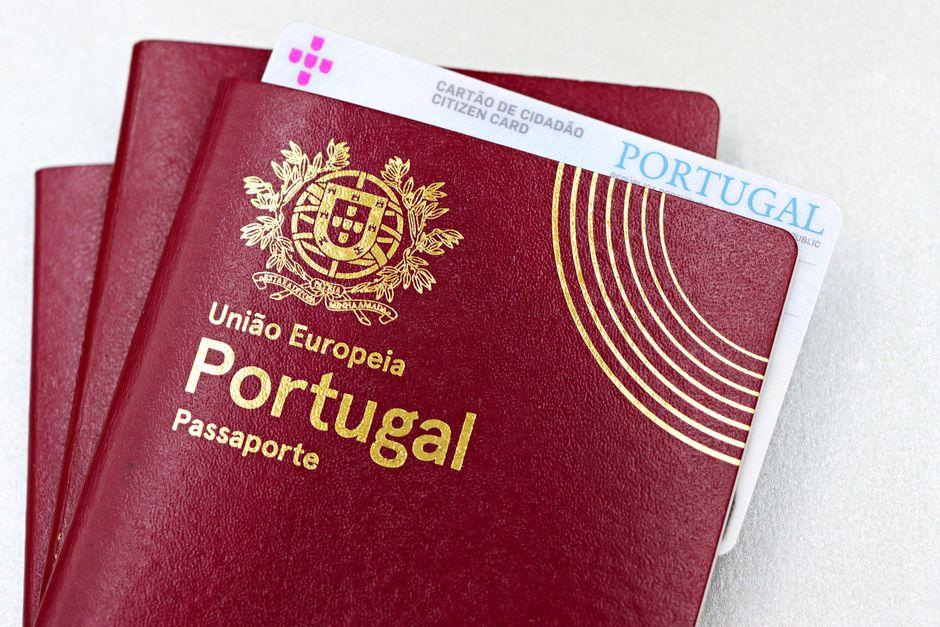
Balancing Personal Dreams and Legal Realities in New Homelands
When Alex, a successful entrepreneur from Brazil, first explored investment citizenship programs in Europe, the allure was straightforward: greater mobility, a fresh start, and enhanced business opportunities. What he didn’t anticipate was how the legal realities in his new homeland often demanded compromises on his personal aspirations. Securing the investment citizenship was just the initial step; acclimating to different tax laws, residency requirements, and even subtle employment restrictions required a recalibration of what success looked like. For instance, Alex envisioned managing his global ventures remotely, but stringent local regulations forced him to spend several months a year physically present, disrupting his work-life balance and travel plans. His story highlights a critical lesson for many: legal frameworks are not just hurdles to clear in the citizenship process-they fundamentally shape what “building a future” can entail.
Contrast this with Sofia from the Philippines, who sought Caribbean citizenship through investment for her family’s security and educational opportunities. While the program promised fast processing times and relatively few residency conditions, Sofia soon realized that access to quality healthcare and long-term economic stability required more than just a passport. She had to navigate local healthcare policies, property laws, and the nuances of dual citizenship, all while juggling the emotional challenge of maintaining close ties to her homeland. Her experience underscores the importance of fully understanding each jurisdiction’s legal and societal contexts before making life-altering decisions. From these journeys, some key considerations emerge:
- Investment requirements often come with ongoing obligations such as minimum stay periods and reporting duties.
- Legal rights associated with citizenship vary widely; some countries offer fewer social benefits or employment options for new citizens.
- Cultural integration and family logistics can profoundly impact the perceived benefits of migration beyond pure legal status.
Stories of Unexpected Challenges and Adaptations Abroad
- Adapting to cultural nuances: When Elena, a software developer from Mexico, acquired citizenship through investment in Portugal, she expected a seamless transition to her new home. However, she quickly discovered that everyday social interactions required a deeper understanding of local customs-simple gestures like greeting with a double cheek kiss or navigating the intricate Portuguese bureaucracy for residency documents presented unexpected hurdles. Rather than becoming frustrated, Elena enrolled in community language classes and actively engaged in neighborhood events, gradually building a network that smoothed her integration. Her story underscores the importance of patience and cultural humility, revealing that investing financially is only part of the equation for a successful new beginning abroad.
- Business pivots and regulatory twists: Another investor, Mark from Canada, ventured into acquiring citizenship through a Caribbean citizenship-by-investment program with the goal of expanding his hospitality business. Initially, he anticipated straightforward real estate investments. Yet, he soon encountered unforeseen regulatory changes that affected foreign business ownership and new environmental standards for resorts. Confronted with these complications, Mark had to pivot his business model-shifting focus to eco-tourism and forging local partnerships to navigate compliance challenges. This experience taught him the critical value of flexibility and thorough due diligence. The clear contrast between the advertised simplicity of investment citizenship programs and the complex realities of operating on foreign soil provides lessons for future investors about expecting-and preparing for-the unexpected.
| Challenge | Expectation | Reality | Key Adaptation |
|---|---|---|---|
| Cultural adaptation | Smooth social integration | Complex social customs and bureaucratic delays | Community engagement & language learning |
| Business investment | Stable regulations and market conditions | Regulatory changes impacting ownership & operations | Business model pivot & local partnerships |
Insights Gained From Diverse Journeys Through Investment Programs
- From Ambition to Reality: Elena’s Shift in Perspective – Elena, a tech entrepreneur from Brazil, initially pursued citizenship-by-investment in Portugal drawn by the promise of seamless EU access and a reputed lifestyle. However, upon engaging with the program, she quickly realized the complexities beyond the headline benefits. The strict residency requirements and slower-than-expected processing times contrasted sharply with her initial expectations. This prompted Elena to recalibrate her approach, emphasizing thorough legal consultations and contingency plans rather than rushing applications. Her experience underscores a critical insight: investment citizenship isn’t just a transaction but a nuanced long-term commitment requiring detailed due diligence and flexibility.
- Balancing Family and Opportunity: The Tale of the Nguyens – The Nguyen family, hailing from Vietnam, sought investment citizenship in Canada, valuing its education system and business environment. Early decisions centered around choosing the right province for settlement and investment type-a decision more complex than anticipated given varied provincial criteria and economic landscapes. Their journey revealed the essential lesson of aligning program choices with personal and familial priorities rather than generic rankings. Through open communication and professional guidance, they navigated shifting timelines and compliance hurdles, learning that patience and adaptability are as crucial as the capital invested in transforming opportunity into lived reality.
| Key Decision Points | Common Hurdles | Lessons Learned |
|---|---|---|
| Choosing location based on lifestyle vs. investment returns | Complex paperwork and stringent background checks | Prioritize professional advice over marketing promises |
| Balancing residency requirements with career commitments | Long and uncertain processing periods | Flexibility in timelines guards against frustration |
| Aligning family needs with program conditions | Unanticipated tax or legal implications | Holistic planning prevents unexpected consequences |
Weighing Long-Term Impacts Against Initial Promises and Expectations
- Maria’s Journey from Promise to Reality: When Maria first applied for investment citizenship, the appeal was clear: a new passport, access to better education for her children, and a fresh start in a stable country. At the outset, the program appeared to deliver on its promises, with streamlined processing and government-backed assurances. However, years after acquiring citizenship, Maria found that some anticipated benefits-like seamless global mobility and cultural integration-were more nuanced. Visa-free access to certain countries involved complex restrictions, and the social acceptance her family hoped for took longer to establish than expected. These realities didn’t negate the initial value but served as a reminder that citizenship through investment is not a shortcut to effortless transition but rather the beginning of a multifaceted journey.
- Balancing Expectations with Long-Term Considerations: For many applicants, the decision point lies in weighing the immediate perks against potential long-term challenges. Take Ahmed, who invested heavily in a Caribbean citizenship program expecting quick residency and subsequent business benefits. While the financial and legal security afforded by his new nationality has been significant, Ahmed faced unexpected hurdles in tax compliance and limited local support infrastructure. Reflecting on his experience reveals critical lessons about researching beyond glossy brochures-specifically, understanding nuanced legal obligations, societal contexts, and the evolving diplomatic landscape that influence the real value of citizenship. Ultimately, participants often find that the true gains come only after navigating complexities well beyond initial promises, emphasizing the importance of informed, patient decision-making before committing to these programs.
| Expectation | Reality | Lesson Learned |
|---|---|---|
| Immediate global mobility | Varied visa restrictions and additional bureaucracy | Verification of actual visa privileges is essential |
| Streamlined integration into local society | Time-consuming cultural adjustment and acceptance challenges | Longer adaptation phases require preparation |
| Financial and tax benefits | Complex compliance and possible unexpected obligations | Comprehensive legal and tax consultation is necessary |
Insights and Conclusions
As the sun sets on the intricate narratives of those who traverse borders in pursuit of new beginnings, it becomes clear that investment citizenship programs are far more than financial transactions-they are gateways to transformed lives and expanded horizons. Behind every passport lies a story of ambition, hope, and resilience, weaving a complex tapestry that challenges traditional notions of identity and belonging. In exploring these real journeys, we uncover not just the mechanics of migration, but the human spirit that seeks connection and opportunity beyond boundaries. As nations and individuals navigate this evolving landscape, the dialogue continues-inviting us to reflect on what it truly means to build a future across borders.




