
In a world where borders define opportunity and belonging, buying citizenship has emerged as a bold new strategy-one that transforms a simple passport into a powerful tool of global mobility and influence. More than just a document, it is a key that unlocks access to new markets, safer havens, and unparalleled freedom. This phenomenon, often called “Passport Through Investment,” is reshaping how wealth, identity, and security intersect in the 21st century. As nations compete for affluent newcomers and individuals seek strategic footholds beyond their homelands, the exchange of money for citizenship has become one of the sharpest power plays of our time-a calculated move with profound implications for geopolitics, economics, and personal freedom.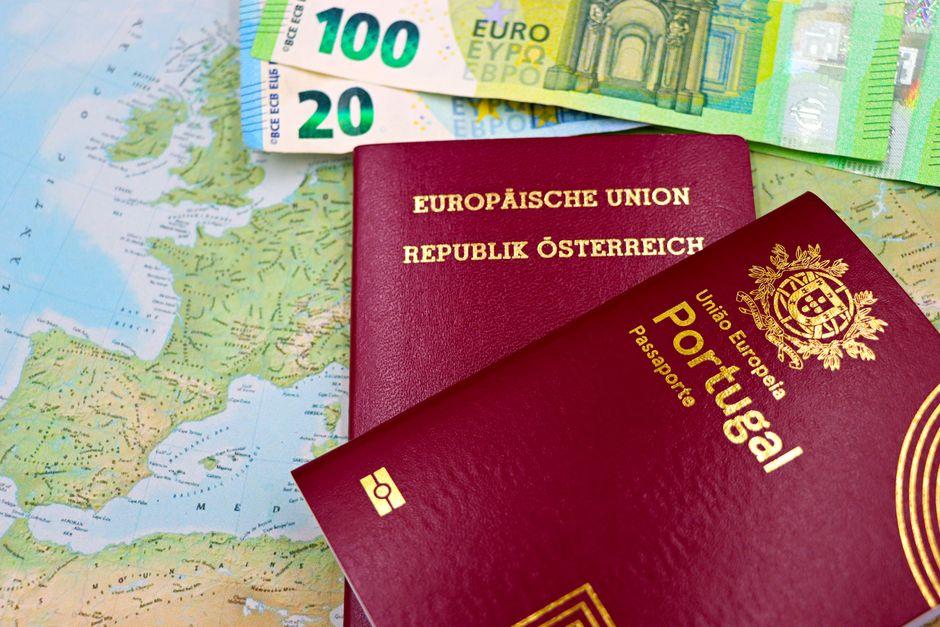
The Illusion of Instant Freedom Exploring the Overlooked Costs of Bought Citizenship
At first glance, purchasing citizenship promises an alluring narrative: immediate access to global mobility, economic opportunities, and an elevated social standing without the often years-long naturalization process. However, this instantaneous elevation masks significant and frequently underestimated trade-offs. Unlike organic citizenship acquired through heritage, marriage, or residency, bought citizenship often comes with a conditional permanence. These passports can be rescinded or heavily restricted based on geopolitical shifts or changes in local policy, challenging the assumption that investment equals irrevocable freedom. Moreover, the illusion of borderless mobility blinds many to the stark reality that true integration-language proficiency, cultural assimilation, and local networks-cannot be bought, only earned. Hence, the trade-off is clear: speed and convenience often undermine depth and long-term security.
- Economic Volatility Risks: Investment-driven citizenship is tethered to the health of often niche financial sectors or real estate markets, making the “asset passport” vulnerable when global or regional economic fluctuations hit.
- Regulatory and Ethical Scrutiny: Countries increasingly tighten due diligence, exposing investors to procedural backlashes, additional taxes, or even legal challenges that can erode the passport’s benefits.
- Social and Political Stigma: Bought citizenship still carries a societal stigma in many regions, potentially limiting genuine access to elite social circles or even affecting personal identity and community acceptance.
| Aspect | Instant Citizenship | Naturalized Citizenship |
|---|---|---|
| Time to Obtain | Months to weeks | Years to decades |
| Cultural Integration | Minimal to none | Extensive |
| Long-term Security | Conditional and volatile | Generally stable |
Ultimately, the value proposition of bought citizenship hinges less on the raw passport itself, and more on discerning whether the transient freedoms it offers align with one’s long-term life strategy. For high-net-worth individuals focused purely on logistical and financial maneuverability, the trade-offs may be acceptable. Yet, for those seeking genuine social belonging and immutable national identity, investment citizenship falls short of its promises, demanding a nuanced appraisal beyond headline allure. A more holistic view would recommend weighing the allure of instant advantage against the often hidden sociopolitical and psychological costs that accompany a citizenship that is, paradoxically, not entirely one’s own.
Navigating Global Inequality How Investment Passports Redefine Privilege and Access
Investment passports sharply expose the fractures within global inequality, repackaging privilege in transactional terms while ostensibly offering mobility and opportunity beyond birthright. Yet, this commodification of citizenship risks cementing a dual-tier system where wealth-not merit or cultural ties-dictates access to geopolitical freedom. Those with substantial capital gain a passport not only as a travel document but as a potent tool to sidestep restrictive immigration policies and economic barriers, effectively institutionalizing a new class of borderless elites. Conversely, millions remain tethered by geography and economic hardship, caught in the “slow lane” of global movement and opportunity. Rather than democratizing access, investment passports threaten to deepen disparities, selectively granting the globe’s most valuable currency-mobility-to the few.
However, the legacy assumption that all investment passport programs are mere “citizenship-for-sale” schemes misses critical complexity and nuance. Not all passports offer equal value, and the transactional nature entails significant trade-offs-such as the loss of original citizenship, reputational risks, and sometimes, opaque regulatory environments that jeopardize long-term security. Savvy applicants must weigh such factors meticulously, acknowledging that the sharpest power play is ultimately contextual and strategic, not purely monetary. For policymakers, a nuanced recalibration is vital, where regulations prevent abuse without stifling legitimate cross-border economic integration. Consider this simplified evaluation matrix:
| Factor | High-Value Passports | Low-Value Passports |
|---|---|---|
| Mobility / Visa-Free Access | 150+ destinations | Fewer than 50 destinations |
| Cost of Investment | $500K-$1M+ | $100K-$300K |
| Regulatory Transparency | High, with due diligence | Opaque, with political risks |
- Recommendation for Investors: Prioritize programs that balance robust vetting and long-term stability over short-term cost savings to mitigate geopolitical risks.
- Insight for Policymakers: Craft policies that dismantle barriers for productive global talent flows but guard against exploitation that undermines national security or social cohesion.
Beyond the Purchase Smarter Ways to Leverage Mobility Without Trading National Loyalty
The prevailing narrative around mobility-based citizenship often assumes that the ultimate goal is a clean break from one’s country of origin, implying a trade-off between enhanced movement freedoms and national loyalty. This, however, oversimplifies the strategic value of a second passport. Instead of viewing it as a simple exit ramp, the sharper play lies in treating it as a mobility asset-an amplification tool rather than a replacement. This means leveraging your second citizenship selectively: deploy it for seamless business travel, hedge against geopolitical instability, or access investment opportunities otherwise blocked by your primary nationality. In doing so, the decision to retain a strong tether to your original country is not a limitation, but a calculated balance-maintaining cultural, economic, and emotional capital that a wholesale pivot might sacrifice. After all, national loyalty is not a monolith; it is layered and dynamic, often coexisting with pragmatic flexibility.
To maximize this nuanced approach, individuals should resist the temptation to chase “passport perfection” or pure acquisitive globalization, which often leads to overpaying or complexity without commensurate gain. Instead, consider these criteria for a smarter mobility portfolio:
- Functional fit: Does the second passport add genuine value in targeted geographies or markets?
- Tax and compliance alignment: Are the country’s regulations compatible with your long-term financial and legal goals?
- Renewal and retention ease: How sustainable is citizenship over time without onerous residency requirements?
Here’s a quick comparison highlighting this pragmatic mindset:
| Approach | Pros | Cons |
|---|---|---|
| Pure Mobility Chase | Maximizes visa-free access, ease of travel | Often costly, may enforce residency, risks cultural detachment |
| Strategic Mobility Asset | Balances freedom with career and financial goals, preserves original national ties | Requires careful planning, ongoing compliance attention |
By transcending the zero-sum mindset, this calibrated utilization of a second passport can empower individuals to harness globalization’s tools without erasing the identity anchors that sustain their personal and professional ecosystems. In short, smarter mobility is not about trading national loyalty; it’s about enhancing it with new layers of strategic freedom.
Strategic Hedging or Risky Gamble The Complex Trade-offs Behind Citizenship by Investment
Citizenship by investment (CBI) often gets framed as a straightforward strategic hedge-a financial “insurance policy” against political instability or economic downturns. While there is merit to diversifying one’s global mobility and economic options, this perspective oversimplifies the intricacies and inherent trade-offs involved. Far from a guaranteed safeguard, acquiring a second passport through investment carries layers of risk that are frequently underappreciated. Changing geopolitical climates, tightening global regulatory scrutiny, and shifting relationships between countries can swiftly erode the value proposition. This is not a static asset but a dynamic one, subject to fluctuating legal interpretations, diplomatic tensions, and shifting economic landscapes. Consequently, treating CBI purely as a backup plan without acknowledging its fragile contingency risks turning a strategic move into a precarious gamble.
To navigate these complexities, prospective investors must cultivate a discerning approach, weighing factors beyond pure financial cost or visa access. The choice is not simply between “fast-track convenience” and “long-term security,” but rather about aligning the program’s nuances with one’s evolving personal, professional, and geopolitical contexts. For example, a Caribbean CBI might offer quick processing and attractive tax benefits but could pose challenges in jurisdictions with negative perceptions of certain passports. Conversely, European or Central American programs may confer stronger global credibility but at higher investment thresholds and longer wait times. Here’s a quick comparison to illustrate these trade-offs:
| Program Type | Speed & Ease | Global Mobility | Regulatory Risk | Investment Threshold |
|---|---|---|---|---|
| Caribbean CBI | Fast processing (3-6 months) | Moderate to strong visa-free access | Higher due to international scrutiny | Lower (~$100k+) |
| European Residency + Citizenship | Longer (often 1-3 years) | Very high, global mobility | Lower, more regulated | Higher (often $500k+) |
- Recommendation: Prioritize programs with robust transparency and a proven track record over merely the lowest-cost options.
- Insight: Consider how entrenched diplomatic ties and the host country’s reputation influence the passport’s real strategic value.
In essence, the modern power play of buying citizenship demands a granular, context-driven evaluation-not a blind leap into seemingly quick or cheap fixes. The interplay between geopolitical volatility, regulation, and reputational effects means that CBI is as much an art of precise calibration as it is a science of financial calculation.
Passport Power Plays Rethinking National Identity in a World Driven by Economic Leverage
At the heart of the citizenship-by-investment phenomenon lies a profound reconfiguration of national identity, one increasingly defined not by geography or heritage but by economic leverage. This shift prompts critical scrutiny: does affluence undermine the traditional social contract that binds citizens to a nation beyond transactional terms? The allure of passports sold as commodities complicates the civic understanding of belonging, making it a paradoxical blend of exclusivity and inclusivity. Countries with weaker passports transform their nationality into a valuable financial asset, often reshaping their international image and power dynamics. Yet, this commodification risks diluting the meaning of citizenship itself, where legal rights and socio-political participation become collateral in a globalized marketplace. The power play here isn’t simply about crossing borders-it’s a tactical reinvention of citizenship as portable capital.
To navigate this evolving landscape, policymakers must balance strategic economic gains against the erosion of cohesive national narratives. Nations offering citizenship-for-investment must enforce rigorous due diligence to avoid reputational damage and geopolitical backlash, distinguishing savvy regulatory frameworks from transactional expedience. Meanwhile, individuals pursuing such passports must consider more than just visa-free travel or tax benefits; they are betting on the passport’s evolving geopolitical value, which fluctuates with global alliances and economic conditions. A selective perspective suggests weighing:
- Stability and governance of the issuing country versus immediate economic perks;
- Long-term identity integration options versus one-dimensional transactional nationality;
- Global perception risks against potential diplomatic leverage;
- Hybrid identity potential acknowledging dual allegiances instead of eroding patriotism.
| Aspect | Traditional Citizenship | Investment Citizenship |
|---|---|---|
| Basis of Identity | Cultural, historical, social ties | Economic contribution, strategic value |
| Political Participation | Integral, often conditional on residency | Frequently limited or symbolic |
| Perceived Value | Civic belonging and rights | Mobility, financial and diplomatic leverage |
Ultimately, this redefinition is less a rejection of traditional identity and more an expansion of its parameters-recognizing that in a connected world, citizenship can and must be flexibly conceived to accommodate both legacy and liquidity. Yet, such flexibility demands vigilant stewardship to ensure citizenship remains a meaningful bond rather than a mere transactional token.
Closing Remarks
In a world where borders are both bridges and barriers, the quest for a second passport transcends mere luxury-it becomes a strategic move in the grand chessboard of global opportunity. Citizenship by investment is not just a transaction; it’s a gateway to freedom, security, and influence. As nations and individuals navigate the complexities of identity, belonging, and advantage, this modern power play will continue to reshape how we define the very essence of citizenship itself. Whether seen as a pragmatic solution or a provocative shift, one thing remains clear: in today’s interconnected world, where you hold your passport can be as powerful as the rights it confers.




