
In a world increasingly defined by movement and connection, the notion of identity has grown beautifully complex. For those who hold the rare key of a dual passport, the experience of crossing borders becomes more than just a physical journey-it transforms into a nuanced navigation of culture, opportunity, and belonging. “Crossing Borders Twice: Navigating Identity and Opportunity with a Dual Passport” delves into the unique realities faced by dual nationals as they traverse both literal and metaphorical boundaries, balancing the privileges and challenges that come with inhabiting multiple worlds at once. This article explores how dual citizenship reshapes personal identity, broadens horizons, and redefines what it means to belong in a globalized age.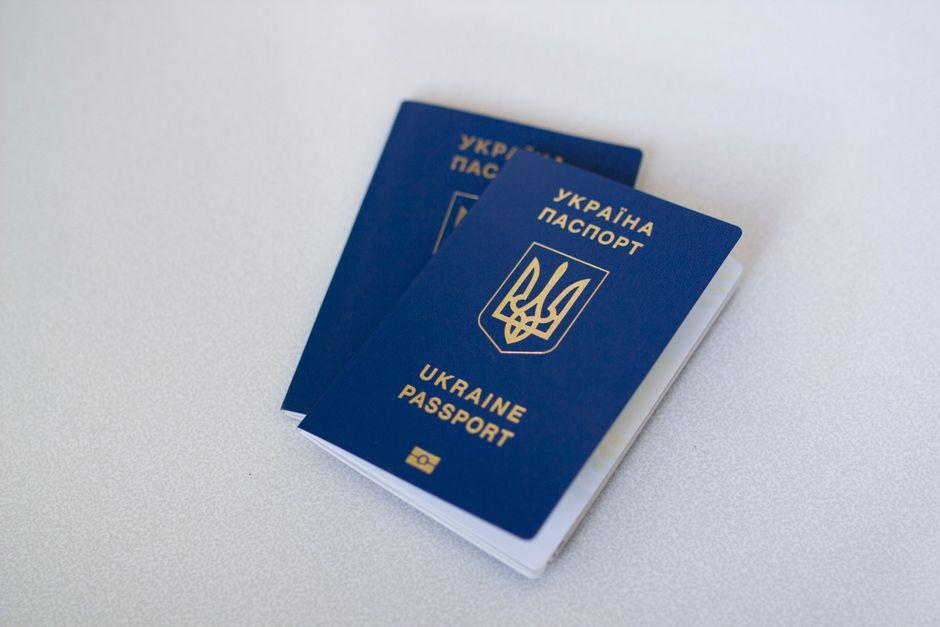
The Everyday Realities of Living Between Two Nations
Consider Maria, a dual passport holder from Italy and Canada, who juggles the nuances of living between two worlds. On one side, the warm, community-driven lifestyle of her Italian hometown offers a comforting sense of belonging, yet the bureaucratic procedures for healthcare or administrative paperwork can be slow and frustrating. On the other, Canada’s promise of structured public services and opportunities for career advancement is appealing-but the cultural expectation to always push forward and perform can sometimes lead to a sense of detachment from her roots. This contrast shapes daily decisions for Maria: whether to enroll her children in the local Italian school for cultural immersion or opt for the Canadian curriculum offering broader international recognition. These moments highlight the delicate balance of maintaining heritage while embracing new prospects.
Everyday life for those living between two nations often involves a unique blend of privileges and challenges. Beyond visa controls or language switches, a dual passport holder navigates identity shifts, from explaining their background at job interviews to feeling an obligation to community events in both countries. Take the example of Ahmed, who must renew his business license-a procedure straightforward in his UAE passport country but more involved in his home country of Egypt. Understanding where each nationality simplifies or complicates processes becomes a vital skill. Below is a snapshot comparison of some common experiences:
| Aspect | Country A (Home) | Country B (Residence) |
|---|---|---|
| Healthcare Access | Community-based, slower administrative pace | Efficient, with strict appointment systems |
| Business Licensing | Requires multiple local endorsements | Centralized and mostly online |
| Social Expectations | Strong emphasis on familial obligations | Individual achievement prioritized |
These realities underline a daily negotiation where the expectations of each nation meet the personal pursuit of identity, opportunity, and belonging-teaching the importance of adaptability, patience, and insight in navigating a life framed by two passports.
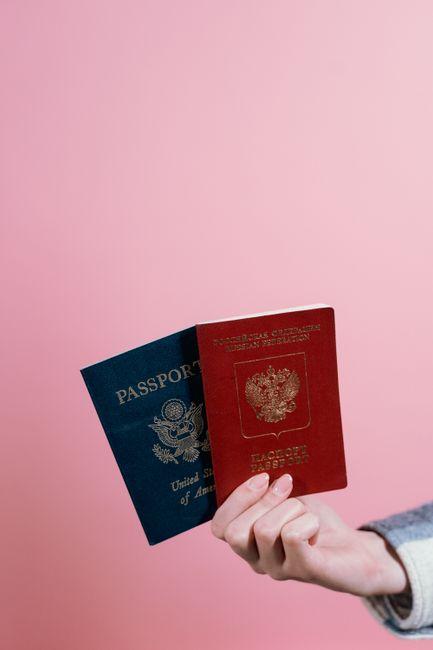
When Cultural Lines Blur Navigating Belonging with a Dual Passport
When cultural lines blur, navigating belonging with a dual passport often feels like living in two parallel worlds that sometimes merge, and other times clash. Take Sofia, for example, who holds both Italian and Brazilian passports. Growing up, she was celebrated for her multicultural background at family gatherings, but when she started working abroad, the illusion of seamless integration faded. In Italy, colleagues expected her to embody a certain traditional professionalism, while in Brazil, she was often seen as too reserved or formal. This push and pull created moments of self-doubt but also fostered a unique adaptability. Sofia learned that belonging isn’t about fitting perfectly into either identity; it’s about embracing the hybrid spaces where her two cultures intersect. This realization reshaped her approach to networking, career moves, and even personal relationships-embracing flexibility over rigid cultural scripts.
In the practical pursuit of belonging, dual passport holders face decisions that illuminate contrasts between expectation and reality. Imagine Rami, whose Canadian and Lebanese passports opened doors to job offers and visa-free travel but came with unseen cultural negotiations. While Canada’s work environment encouraged direct communication and independence, Lebanon favored hierarchical respect and community ties. When he accepted a leadership role in Beirut, Rami initially tried to apply Canadian workplace norms, only to face resistance. Over time, he adjusted his leadership style, blending openness with traditional values, ultimately earning credibility he hadn’t anticipated. His story highlights that opportunities granted by dual citizenship come wrapped in complex social fabrics, demanding constant cultural calibration. Instead of seeking a single “true” identity, Rami-like many others-thrived by developing dual fluency, both in languages and unwritten cultural codes.
| Challenge | Expectation | Reality | Lesson Learned |
|---|---|---|---|
| Workplace Culture | Smooth Transition Using Either Passport | Conflicting norms require adaptation | Blend cultural values; avoid one-size-fits-all |
| Social Belonging | Instant Acceptance in Both Communities | Sometimes perceived as outsider in both | Embrace hybrid identity, create new belonging |
| Legal and Travel Advantages | Uncomplicated Mobility and Rights | Complex paperwork and expectations persist | Be proactive with documentation, understand rights |
Stories of Opportunity and Obstacles in Global Mobility
- Maria’s Journey: When Maria obtained her dual passport-Italian and Brazilian-her initial hope was to effortlessly access job opportunities across Europe while maintaining her roots in South America. However, she soon realized that holding two passports wasn’t a magic key. In Germany, securing a job required language proficiency beyond basic conversation and cultural understanding that no passport could instantly provide. Though the dual citizenship simplified visa logistics, Maria’s story highlights the gap between legal access and true integration. She found herself investing hours in language courses and local networking, facing the delicate balance between seizing opportunity and overcoming unexpected barriers.
- Ken’s Dilemma: Ken, with US-Japanese citizenship, faced a different kind of challenge. After years abroad, he wanted to return to Japan to work, relying on his Japanese passport for smooth entry. However, he confronted surprising bureaucratic complexities-mandatory military service options, tax responsibilities, and conflicting residency obligations-that tested his identity and planning. This experience underscored a key lesson: dual nationality might open doors, but it can also introduce competing obligations that complicate decisions rather than simplify them. Ken’s story stands as a reminder that navigating dual citizenship requires not just paperwork, but strategic foresight and adaptability.
| Scenario | Expectation | Reality | Key Takeaway |
|---|---|---|---|
| Job Search with Dual Passport | Easy employment access | Language and cultural barriers remain | Legal status ≠ Cultural integration |
| Residency and Citizenship Obligations | Simple residency transition | Complex tax and civic duties | Dual status can bring dual responsibilities |
Balancing Identity: Lessons from Cross-Border Experiences
Juggling two identities isn’t just about paperwork or language skills-it’s about navigating the everyday moments where cultures, expectations, and emotions intersect. Take Lina, for example, who moved from Brazil to Germany as a teenager and later obtained dual citizenship. At family gatherings, she sometimes felt pulled between celebrating Brazilian carnival traditions and participating in the more reserved German festivals. Professionally, too, she found herself adjusting her communication style: in Brazil, warmth and flexibility were prized, while in Germany, punctuality and directness held sway. These experiences taught her a critical lesson-balancing identity means embracing the strengths of each culture, rather than feeling forced to choose one over the other.
Many dual passport holders encounter turning points where their dual identity presents both challenges and opportunities. Imagine a moment when Anil, an Indian-American with dual citizenship, competed for a job requiring relocation either to Mumbai or New York. His instinct was to leverage his dual status as a bridge between worlds, yet the realities were more nuanced. He found himself explaining cultural nuances to colleagues on both sides, sometimes being seen as “too American” in India and “too Indian” in the U.S. Through patience and reflection, Anil realized that dual identity isn’t a binary switch but more of a spectrum, where adaptability and self-awareness are key. From these moments emerge invaluable lessons like:
- Flexibility: Accepting that each environment demands a different part of your identity to shine.
- Self-advocacy: Communicating your unique perspective clearly to avoid misconceptions.
- Resilience: Managing moments when expectations clash with reality without losing confidence.
| Expectation | Reality | Takeaway |
|---|---|---|
| Having access to two cultures means seamless belonging. | Often feeling like a perpetual “outsider” in both. | Belonging is actively cultivated, not automatic. |
| Dual passports ensure equal career opportunities in both countries. | Navigating different workplace norms and expectations is complex. | Success requires cultural agility beyond legal status. |
How Dual Citizenship Shapes Choices and Challenges Abroad
Consider Ana, a young software engineer with both Canadian and Italian passports. When she landed a job offer in Berlin, her dual citizenship gave her a unique leverage: she didn’t need a work visa, speeding up her relocation and removing a typical bureaucratic hurdle. However, this advantage came with a personal challenge. Ana found herself navigating not only a new culture but also an internal tug-of-war between her North American upbringing and European heritage. Choosing where to pay taxes became a perplexing puzzle; Italy and Canada’s differing requirements forced her to consult specialists and carefully plan her finances. This is a common crossroads for many dual citizens, where legal benefits coexist with complex responsibilities, demanding informed choices that can impact daily life and long-term security.
Dual citizenship also complicates seemingly straightforward decisions, such as where to settle or raise a family. For example, David, who holds both American and Mexican passports, initially expected that his mobility would translate into seamless integration wherever he went. Yet, he quickly learned that social expectations and access to social services differ sharply between countries. In Mexico, family support networks were more ingrained, while in the U.S., formal institutions took precedence-a dynamic that reshaped his priorities when balancing career ambitions with personal life. Here’s a brief glance at how dual citizenship can contrast experiences across borders:
| Aspect | Country A | Country B |
|---|---|---|
| Work Authorization | Automatic (passport holder) | Visa required |
| Tax Obligations | Worldwide income taxed | Tax treaties reduce double taxation |
| Social Services | Universal healthcare | Private insurance dominant |
- Identity negotiations: Dual citizenship pushes individuals to reconcile multiple cultural narratives, not just paperwork.
- Legal intricacies: Understanding rights and obligations in two nations requires ongoing attention.
- Emotional decisions: Choosing where to build a life goes beyond practicality to personal values and belonging.
To Wrap It Up
In the intricate tapestry of today’s global landscape, holding a dual passport is more than a simple convenience-it is a gateway to complex identities and boundless possibilities. Crossing borders twice is not just a physical journey but a continuous act of navigating cultures, opportunities, and self-understanding. As the world grows more interconnected, embracing the nuances of dual nationality invites us to rethink what it means to belong, to explore, and ultimately, to expand the very notion of home. Whether driven by heritage, ambition, or circumstance, this dual passage offers a unique vantage point-one where borders blur, and new horizons emerge.




