
In a world where passports are more than mere travel documents—acting as gateways to opportunity, security, and identity—the quest for a second citizenship has become an increasingly intricate journey. Crossing borders once often signifies a physical relocation; crossing borders twice, however, unfolds a labyrinth of legal, emotional, and cultural complexities. Beyond the allure of visa-free travel and economic advantages lies a hidden landscape of personal stories and bureaucratic challenges. This article explores the multifaceted realities of acquiring second citizenship, revealing the nuanced paths, motivations, and consequences that define this unique form of global belonging.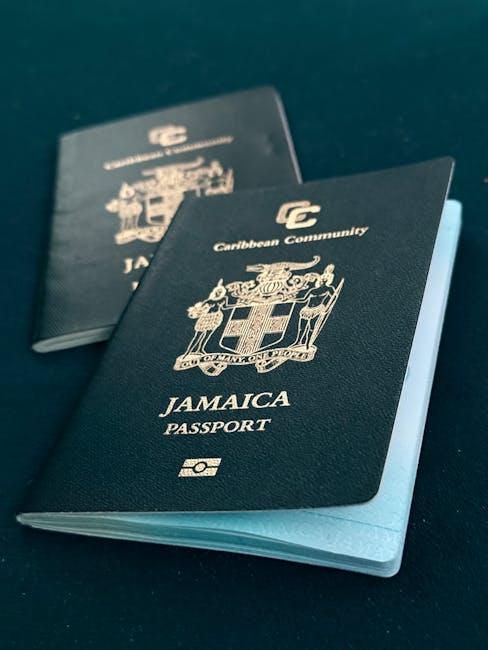
Navigating the Emotional Landscape of Dual National Identity
Maria’s story is far from unique, but it sheds light on the intricate emotional layers that come with holding dual nationality. Born in Brazil but raised in Canada from her early teens, she initially saw her second citizenship as a simple legal paperwork task—a key to broader travel and opportunity. However, when her family relocated back to Brazil for her father’s work, Maria faced an unexpected identity tug-of-war. At a local gathering, she felt more like an outsider due to her accent and cultural references, despite her Brazilian heritage. Conversely, returning to Canada, she found herself mildly alienated by friends who viewed her as someone who had “changed.” This reveals a common crossroads: *expectation vs. reality*, where many anticipate a seamless blend of cultures but instead grapple with feelings of partial belonging to both, yet full acceptance by neither.
These emotional complexities often come with critical decisions that shape one’s identity over time. Take Ahmed, for example, who holds citizenship in Egypt and Germany. When choosing a university, the question wasn’t just about academia but also about where he could grow to mirror his internal identity. The choice between comfort and challenge, heritage and opportunity, turned out to be less straightforward than it seemed on paper. Dual nationality can mean choosing different parts of yourself in different moments, rather than a permanent fusion. For many, navigating this emotional landscape involves learning to embrace the multiplicity of identity without forcing a pure, singular narrative. The process is messy and deeply personal but often leads to richer self-understanding and resilience.
| Common Emotional Challenges | Potential Ways to Navigate |
|---|---|
| Feeling split between two cultures | Engage in communities that affirm both identities |
| Pressure to “choose” one nationality | Reframe identity as fluid rather than fixed |
| Experiencing outsider status in both countries | Build personal narratives that honor complexity |
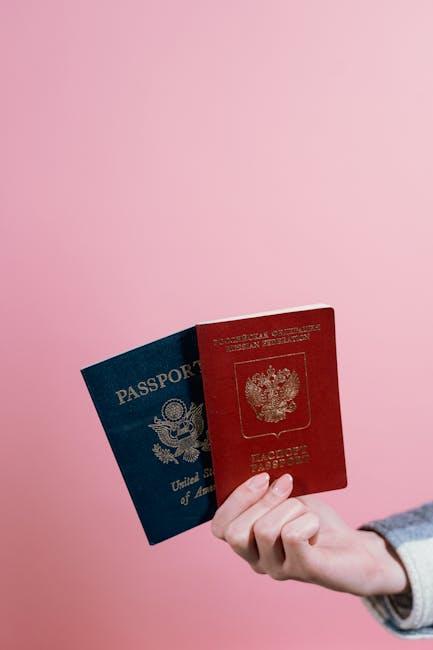
When Legal Hurdles Meet Personal Dreams
Maria’s journey toward securing a second citizenship is a familiar yet intricate tale. Driven by a desire to provide her children with broader educational opportunities, she initially saw the path as a straightforward upgrade—submit documents, wait for approval, and embrace a new passport. However, reality hit when unexpected legal barriers surfaced. Her original work visa, crucial for proving her residency, had lapsed due to a minor administrative oversight years before. Suddenly, the dream of quickly obtaining a second passport morphed into a legal labyrinth involving retroactive validations, affidavits, and, critically, waiting periods with no clear timelines. These hurdles underscored a poignant truth for many: the fine print of immigration laws can transform personal aspirations into sources of anxiety and delay.
Lawyers frequently encounter these moments of tension, where the emotional stakes merge with technical roadblocks. For example, consider the decision points that arise when applicants must choose between different residency programs—some offering rapid processing but at a higher cost and stringent requirements, and others more affordable but steeped in bureaucratic complexities. Each choice often comes with trade-offs:
| Program Type | Average Processing Time | Common Legal Challenges | Typical Applicant Profile |
|---|---|---|---|
| Investment-Based | 6-12 months | Verification of funds, anti-money laundering checks | Entrepreneurs, high-net-worth individuals |
| Residency by Naturalization | 3-5 years | Proof of continuous residency, language proficiency | Expats, long-term residents |
| Descent or Birthright | 1-3 years | Documentation of lineage, proving legitimacy | Individuals with foreign family ties |
What often contrasts with expectations is that legal expertise and personalized strategies become just as important as financial resources. Navigating these hurdles is rarely linear; it requires patience, adaptability, and a deep understanding that the journey isn’t merely legal but profoundly personal. For many, the intersection of law and dreams reveals the necessity of viewing second citizenship not as an entitlement but as a negotiated privilege demanding careful preparation—and resilience when plans inevitably encounter unforeseen detours.
Stories from the Frontline of Changing Citizenship
Marina’s story is one of cautious optimism turned complexity. A software engineer from Brazil, she initially pursued a second citizenship through Portugal’s golden visa program, lured by the promise of seamless travel and European work opportunities. The decision seemed straightforward: invest in property, file paperwork, and wait. Yet, as months unfolded, Marina encountered unforeseen bureaucratic hurdles—language barriers, shifting residency requirements, and the need to maintain a delicate balance between her employer’s expectations in São Paulo and new obligations in Lisbon. Her experience underscores a reality many face: the assumption that second citizenship instantly simplifies life often clashes with the layered legal and personal adjustments that follow. It’s a journey peppered with hope, legal consultations, and moments of doubt about whether the trade-offs match the initial dreams.
Contrast this with Jamal’s path from Jordan, who pursued citizenship by descent through his grandmother’s lineage in Italy. Unlike Marina’s financial route, Jamal expected a relatively smooth process fueled by clear documentation and family ties. Yet the emotional weight of reconnecting with a distant heritage and navigating a system where cultural expectations differed from his own was profound. His story highlights that second citizenship is not merely a transactional upgrade but a deeply human experience, riddled with decisions about identity and belonging. He often reflected on how the practice of crossing borders twice—physically and bureaucratically—reshaped his understanding of home and citizenship.
- Lessons Learned: Due diligence goes beyond paperwork—understanding local customs, language, and legal nuances is crucial.
- Decision Moments: Choosing between residency programs or descent-based applications can alter not only timelines but emotional engagement.
- Expectation vs. Reality: Bureaucratic patience and cultural adaptability are as important as financial eligibility.
| Aspect | Marina’s Golden Visa Route | Jamal’s Descent-Based Route |
|---|---|---|
| Process Complexity | High, due to investment and legal requirements | Medium, reliant on documentation and heritage verification |
| Emotional Impact | Pragmatic with moments of doubt | Sentimental and identity-challenging |
| Timeframe | 12-18 months, fluctuating with changes in law | 6-12 months, dependent on document clarity |
Unexpected Insights from Those Who’ve Crossed Twice
When Maria, a software engineer originally from Brazil, decided to pursue a second citizenship in Portugal, she imagined a seamless blend of expanded career opportunities and a newfound sense of belonging in Europe. Yet, the reality unfolded in layers she hadn’t anticipated. While her Portuguese passport granted her easier travel and work rights, she encountered unexpected bureaucratic nuances, such as tax obligations in both countries that complicated her financial planning. More importantly, she found that the emotional weight of dual identity wasn’t just about flexibility—it involved reconciling two distinct cultural expectations. Maria’s experience highlights the subtle challenges those with second citizenship often face: navigating administrative complexities, dealing with divided loyalties, and managing unexpected responsibilities.
Contrast this with Amir’s story, a businessman from the UAE who acquired Canadian citizenship primarily to secure global mobility and educational access for his children. Unlike Maria, Amir’s journey was framed by strategic decision moments—he viewed second citizenship as a pragmatic business asset rather than a cultural transformation. Yet, Amir discovered that beyond the legal and economic benefits, embracing a second citizenship demanded significant personal adjustments including new social norms and networking approaches. His realization? The true value of crossing borders twice lies not just in the paperwork but in the continuous balancing act between opportunity and identity. Below is a brief comparison reflecting key lessons from their stories:
| Aspect | Maria (Brazil to Portugal) | Amir (UAE to Canada) |
|---|---|---|
| Initial Expectation | Seamless cultural integration and work flexibility | Pragmatic business advantage and family security |
| Unexpected Challenge | Bureaucratic complexities; emotional duality | Social adaptation; balancing differing cultural norms |
| Key Lesson | Second citizenship is as much emotional as legal | Identity redefinition is ongoing and purposeful |
- Crossing borders twice often demands reckoning with emotional dimensions that paperwork doesn’t capture.
- Decision-making shifts from practical gains to nuanced identity negotiations over time.
- Expectations rarely match realities in neat ways; resilience comes from adapting to surprises.
How New Passports Reshape Lives and Loyalties
When Maria received her second passport, a sense of boundless opportunity washed over her. Born and raised in Colombia, she had long dreamed of expanding her life’s horizons—yet the transition wasn’t as seamless as she imagined. With her new European identity, Maria gained doors to travel visa-free across the Schengen zone and access to education in countries previously out of reach. However, she soon found herself caught in an emotional tug-of-war, as family expectations and cultural bonds from her homeland remained deeply intact. This dual identity reshaped her personal landscape, revealing that acquiring a new citizenship was as much about redefining loyalty as it was about legal status. Maria’s story underscores an important realization: dual citizenship often introduces a complex renegotiation of where one belongs, beyond the mere convenience of passports.
Consider Jamal, a financial consultant from Kenya who pursued citizenship in the UAE to unlock business prospects in the Middle East. While the economic advantages were substantial, including smoother access to regional markets and ownership rights, Jamal discovered unanticipated nuances—socially and emotionally—that tempered his initial enthusiasm. He found himself selectively navigating between communities, reinforcing some connections while allowing others to fray. This delicate balancing act between new allegiances and original roots illustrates a common theme in second-citizenship journeys. The promise of freedom and opportunity often comes paired with:
- The challenge of maintaining authentic ties to both nations
- Reevaluating notions of patriotism and identity
- Adjusting to contrasting cultural expectations
| Aspect | Expectation | Reality |
|---|---|---|
| Travel Freedom | Unlimited access worldwide | Visa-free in targeted regions, but not global |
| Emotional Impact | Simple addition of nationality | Complex identity negotiations |
| Societal Integration | Easy cultural assimilation | Ongoing balancing act between cultures |
Future Outlook
In the intricate dance of identity, belonging, and opportunity, acquiring a second citizenship emerges as more than a mere legal formality—it is a profound journey that crosses borders not just once, but twice. Beyond the paperwork and passports lie the hidden faces of individuals navigating complex emotions, shifting loyalties, and newfound freedoms. As we peel back the layers of this multifaceted experience, we come to understand that second citizenship is not simply a status; it is a narrative of resilience, aspiration, and transformation that continues to redefine the meaning of home in an increasingly interconnected world.




