
In an era where borders blur and cultures intertwine, the dual national passport stands as both a symbol of opportunity and a source of inner conflict. As global connectivity accelerates and migration patterns shift, holding two passports offers unique advantages-access to diverse rights, freedoms, and identities. Yet, it also prompts profound questions about belonging, loyalty, and the very essence of identity in a world that is simultaneously shrinking and expanding. This article delves into the complex terrain of dual nationality, exploring whether it empowers individuals to navigate multiple worlds or sparks an identity crisis amid the swirling tides of globalization.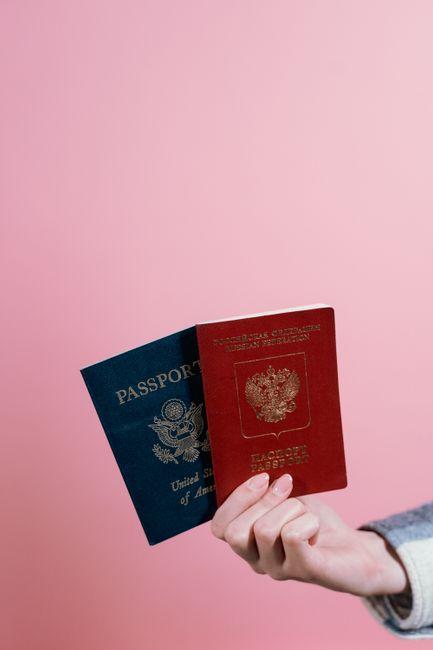
Crossroads of Allegiance: Navigating the Psychological Maze of Dual Nationality
Dual nationality thrusts individuals into a complex psychological landscape where allegiance is less about binary loyalty and more a spectrum of intersecting identities. Contrary to the banal trope that dual citizens are perpetually torn between two homelands, the reality is often more fluid: many cultivate a hybrid self that transcends traditional nationalist frameworks. This dynamic, however, is not without its friction. The internal negotiation often involves reconciling contradictory cultural values, legal expectations, and emotional attachments-an intricate dance that demands sophisticated identity management rather than simple commitment. Importantly, this internal dialogue challenges the outdated notion that citizenship is inherently exclusive. Instead, it reframes allegiance as a multifaceted construct, where psychological adaptation serves as a critical survival skill, not a source of existential conflict.*
- Trade-off in Psychological Space: The cognitive dissonance between disparate national narratives can either foster enriched multicultural empathy or precipitate identity fragmentation.
- Distinguishing Identity Layers: National allegiance should be parsed from ethnic, cultural, and civic identities to avoid oversimplified identity crises.
- Resilience Through Reflexivity: Dual nationals with high self-reflexivity tend to channel their duality into social capital rather than suffering alienation.
| Psychological Challenge | Common Outcome | Nuanced Interpretation |
|---|---|---|
| Conflicting Values | Stress, Ambivalence | Opportunity for broader ethical reasoning |
| Legal/Diplomatic Ambiguity | Uncertainty, Insecurity | Enhanced negotiation and adaptability skills |
| Social Belonging | Exclusion, Marginalization | Unique vantage point enabling bridge-building |
To navigate this psychological labyrinth effectively, dual nationals-and those supporting them-must embrace an intentional cultivation of what might be called allegiance literacy: the conscious skill to interpret, prioritize, and sometimes compartmentalize facets of identity without self-negation. Rather than succumbing to the assumption that dual citizenship inherently triggers psychological fragmentation, a more constructive stance recognizes it as a potentially empowering identity configuration-conditional on robust social support and critical self-awareness. Counselors, policymakers, and communities should thus shift from pathologizing dual nationality towards facilitating environments where complex identities can be dialogically explored and normalized. This means fostering:
- Educational initiatives that highlight the legitimacy and richness of multi-layered national identities, rather than enforcing rigid paradigms.
- Policy frameworks that reduce diplomatic ambiguities-clarifying rights and responsibilities to alleviate avenues for psychological distress.
- Community spaces that encourage intercultural dialogue, thereby transforming the ‘crossroads’ metaphor into a vantage point of empowerment rather than crisis.
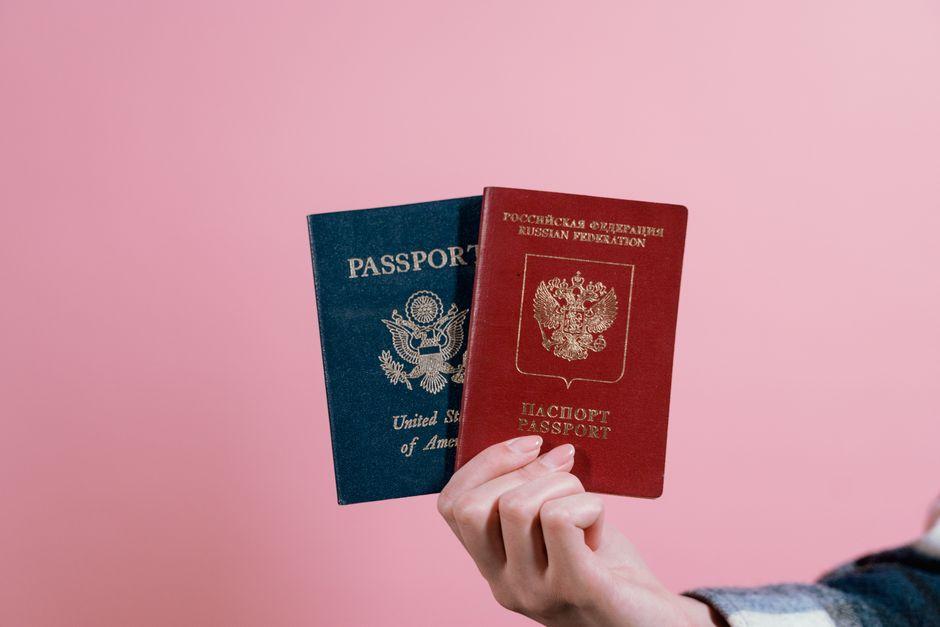
Beyond Borders: The Hidden Political and Legal Complications of Holding Two Passports
Contrary to popular belief, holding dual passports is not a carte blanche to seamless global mobility or political leverage-it is, more often than not, a labyrinthine negotiation between conflicting sovereignties. Dual nationality can place an individual in precarious legal dilemmas, such as conflicting obligations to two states that may impose contradictory demands, from compulsory military service to tax liabilities. The simplistic notion that dual passports equate to expanded freedom ignores the intricate legal intersections and political pitfalls that arise, especially when the countries involved have strained diplomatic relations. In some cases, dual nationals become pawns in geopolitical disputes, facing travel restrictions or even detentions not as ordinary citizens, but as individuals caught between legal definitions of nationality and allegiance.
To navigate these complexities effectively, dual nationals must cultivate a strategic understanding of the distinct legal frameworks governing citizenship in each country. This involves more than compliance; it requires anticipating the consequences of bilateral agreements and domestic laws-elements often overlooked in popular discourse. For instance:
- Taxation: Some countries tax citizens irrespective of residency, creating financial entanglements.
- Military Obligations: Dual citizenship can trigger compulsory service demands from both nations, with little room for exemption.
- Diplomatic Protection: In times of conflict, a dual national may find one passport privileges revoked, complicating consular support.
In weighing these realities, aspiring dual nationals should adopt a measured approach, prioritizing comprehensive legal counsel over the allure of convenience. Governments and international bodies would do well to develop clearer frameworks that address these nuanced predicaments rather than perpetuating vague dual citizenship policies. Ultimately, dual passports must be understood not merely as tools of empowerment but as complex identities with tangible political and legal repercussions-demanding both vigilance and a sophisticated grasp of their latent costs.
Dual Citizenship as a Geopolitical Strategy: Empowering Individuals or Fueling Diplomatic Tensions
Dual citizenship, often lauded for its individual benefits-such as increased mobility, economic opportunities, and cultural belonging-also serves as a subtle yet potent geopolitical instrument. States increasingly recognize that dual nationality can be leveraged as a form of soft power, enabling diasporas to act as informal envoys or strategic assets abroad. However, this geopolitical utility is not unambiguously positive. While empowering individuals with a multifaceted identity, dual citizenship can complicate diplomatic alignments and create friction where allegiances blur or conflict. For instance, countries with historically antagonistic relations might confront challenges when their nationals simultaneously hold each other’s citizenship, raising questions about loyalty, espionage risks, and consular protections. Thus, dual citizenship transcends mere personal advantage, morphing into a complex chess piece on the international stage-capable of both bridging gaps and catalyzing tensions.
- Empowerment vs. Diplomatic Ambiguity: The empowerment of individuals can paradoxically induce state-level mistrust, as governments wrestle with dual citizens’ divided loyalties and the legal ambiguities these relationships entail.
- Policy Blind Spots: Many countries lack nuanced frameworks for managing dual citizens strategically, often defaulting to restrictive or reactionary policies that undermine potential geopolitical benefits.
- Risk-Reward Balancing: States face a trade-off between harnessing diasporic influence for foreign policy gains and mitigating risks of dual citizenship being exploited for political interference or security breaches.
| Aspect | Geopolitical Advantage | Potential Risk |
|---|---|---|
| Diaspora Influence | Soft power extension; economic and political lobbying | Conflicting national interests; dual allegiance concerns |
| Consular Protection | Expanded diplomatic reach; enhanced citizen services abroad | Jurisdictional disputes; legal conflicts in emergencies |
| Security and Surveillance | Broader intelligence networks via diaspora access | Espionage risk; vulnerability to foreign influence operations |
The challenge lies in crafting policy frameworks that transcend zero-sum assumptions-where dual citizenship is viewed solely as either a tool of empowerment or a source of diplomatic headache. Instead, nations should develop calibrated strategies that recognize dual citizenship as a dynamic, context-dependent geopolitical instrument. This demands clearer regulations about rights and responsibilities, improved multilateral dialogues to address bilateral conflicts over dual nationals, and smarter intelligence-sharing protocols. For individuals, a more transparent and protective legal environment can reduce the identity strain often perpetuated by external political conflicts. Ultimately, embracing the complexity of dual citizenship, rather than oversimplifying it, empowers both nations and citizens to leverage this phenomenon responsibly in a contested global arena.
Is Dual Nationality Overhyped? Examining Practical Limitations Behind the Allure of Global Mobility
Despite the glossy promises often attached to dual nationality-borderless travel, seamless business ventures, and a broadened sense of belonging-the reality frequently undercuts these advantages with complex, sometimes counterintuitive practical limitations. For instance, dual nationals may find themselves entangled in conflicting legal obligations such as taxation, military service, or compulsory civic duties that are not harmonized between their two countries. Moreover, the assumption that dual citizenship automatically grants hassle-free global mobility ignores the often overlooked bureaucratic and diplomatic intricacies: visa requirements, diplomatic protection restrictions, or the geopolitical status of one’s countries of citizenship can severely circumscribe freedom rather than enhance it. In essence, the allure of “global mobility” offered by dual nationality is not a carte blanche but, more often than not, a patchwork of conditional freedoms marked by trade-offs.
- Taxation dystopia: Dual nationals risk double taxation or must navigate complex tax treaties, which can turn financial benefits into administrative burdens.
- Legal liabilities: Divergent responsibilities, such as conscription laws, may impose significant personal costs overshadowing the advantages.
- Travel paradox: Some dual citizens find their travel options restricted by the combined diplomatic realities of both nationalities, rather than expanded.
| Perceived Benefit | Practical Restriction | Impact |
|---|---|---|
| Visa-free travel | Different visa rules for each passport | Travel planning complexity increases |
| Political rights | Obligations to participate in elections or military service | Sometimes punitive rather than empowering |
| Economic opportunities | Taxation and reporting burdens | Costs can outweigh gains |
Smart decision-making around dual nationality hinges on discerning the fine print rather than the headlines. For professionals and families drawn to the idea of global mobility, a nuanced, context-specific evaluation is imperative-consider not only the passport’s “power” in terms of visa-free countries but also the weight of legal, fiscal, and social obligations that shadow it. While it’s tempting to frame dual nationality as an unalloyed empowerment tool, the reality demands recognizing it as a calculated identity negotiation-one that often involves prioritizing one’s deeper sense of belonging and pragmatic convenience over the romanticized notion of unbounded global citizenship. In practice, selective dual nationality-acquired with clear personal or strategic objectives rather than a mere trophy-yields the most meaningful results. Otherwise, individuals risk being caught in the limbo of fragmented loyalties and regulatory complexities, highlighting that more passports do not always equal more freedom.
Crafting Identity in Two Worlds: The Subtle Trade-Offs Between Opportunity and Cultural Fragmentation
Dual national passports undeniably unlock expansive opportunities, but the identity they help craft is far from a straightforward upgrade-it’s a paradox steeped in nuanced trade-offs. Far from merely a bureaucratic convenience, holding two passports can subtly erode the cohesive narrative of one’s cultural selfhood. The lure of economic mobility, access to education, and global networking often necessitates a synchronization with multiple, sometimes conflicting, cultural fabrics. This duality fosters a dynamic “in-betweenness” that is empowering yet fragmentary, where the individual is neither fully immersed nor entirely detached from either national identity. Rather than viewing this as a loss, it’s essential to recognize the selective integration at play-where individuals curate elements from each culture to form a unique hybrid identity, but with an ever-present risk of dilution or alienation from the roots that traditionally anchor identity.
Pragmatically, navigating this “dual identity” demands intentional cultural negotiation rather than passive assimilation. The real challenge is not in acquiring a second passport, but in maintaining meaningful ties across disparate cultural expectations without losing authenticity in either realm. This balance is best managed by adopting a mindset that prioritizes contextual fluidity over rigid belonging. For instance:
- Intentional cultural rituals: Regularly engaging in heritage practices can reinforce foundational identity amidst globalized fragmentation.
- Selective disclosure: Sharing different facets of identity depending on social or professional environments preserves nuanced self-expression without confusion or dilution.
- Community anchoring: Active participation in communities from both national backgrounds can foster belonging without forcing assimilation.
To illustrate, consider the following simplified matrix of how dual nationals often navigate identity:
| Dimension | Opportunity-Driven Approach | Identity-Centric Approach |
|---|---|---|
| Connection to Culture | Flexible, selective exposure to cultural practices | Consistent, deep engagement with heritage |
| Social Networks | Transactional, instrumental for mobility | Relational, rooted in shared values and history |
| Self-Perception | Pragmatic, adaptable | Grounded, holistic |
The subtlety lies in not conflating empowerment with homogeneous hybridization. Embracing dual passports as tools for navigating multiple worlds means accepting that identity may never fully crystallize-this is not a deficit but a new form of cultural intelligence, one that must be nurtured through mindful engagement rather than passive inheritance.
The Way Forward
In navigating the complex tapestry of dual national passports, we find ourselves at the crossroads of opportunity and introspection. These documents, symbols of belonging to more than one homeland, empower individuals to traverse the world with unparalleled freedom and flexibility. Yet, they also invite deeper questions about the fluidity of identity in an era where borders blur and cultures intertwine. Ultimately, whether dual nationality serves as a bridge or a battleground depends on the stories we choose to embrace-stories that define not just where we come from, but who we become in a globalized world.




