
In an increasingly interconnected world, the concept of identity has taken on new dimensions-none more complex and intriguing than double nationality. Imagine holding not just one, but two passports, each unlocking different cultures, rights, and opportunities. But what does it truly mean to be a citizen of two countries at once? Beyond the allure of dual belonging, double nationality carries a tapestry of legal rights, responsibilities, and potential challenges that deserve careful exploration. This article delves into the essence of double nationality, unraveling its benefits and essential considerations, to help you navigate the nuances of living between two worlds.
Navigating the Complex Identity of Holding Two Passports
often involves balancing multiple cultural, legal, and emotional dimensions. Dual nationals frequently experience a rich, layered sense of belonging, blending traditions, languages, and social norms from both countries. However, this dual identity can also raise challenges, such as feeling divided loyalty or facing conflicting national obligations. For example, travel restrictions, voting rights, or military service requirements may differ significantly between the two nations, complicating how and when each passport can be used. Understanding these nuances helps dual nationals make informed decisions about which passport to present in various situations-such as entry at borders, tax filings, or legal processes-allowing them to maximize benefits while minimizing conflicts.
To effectively manage dual nationality, it’s valuable to consider practical strategies and legal factors that influence identity navigation. Key considerations include:
- Legal obligations: Awareness of citizenship duties, such as taxation or jury duty, in each country.
- Travel benefits and restrictions: Using the passport that offers visa-free access or fewer travel limitations.
- Cultural identity: Embracing cultural heritage without feeling forced to prioritize one nationality over the other.
- Documentation management: Keeping both passports valid and updated, including understanding renewal processes and expiration dates.
| Aspect | Considerations for Dual Nationals |
|---|---|
| Legal Status | May differ in rights and obligations; conflicts possible if both countries require exclusive allegiance. |
| Travel | Choice of passport affects visa requirements, consular protection, and border procedures. |
| Identity | Can enhance multicultural understanding but also create a sense of divided national loyalty. |
Balancing these factors with clear knowledge and proactive planning enables dual passport holders to fully leverage advantages while respectfully managing complexities intrinsic to their unique status.
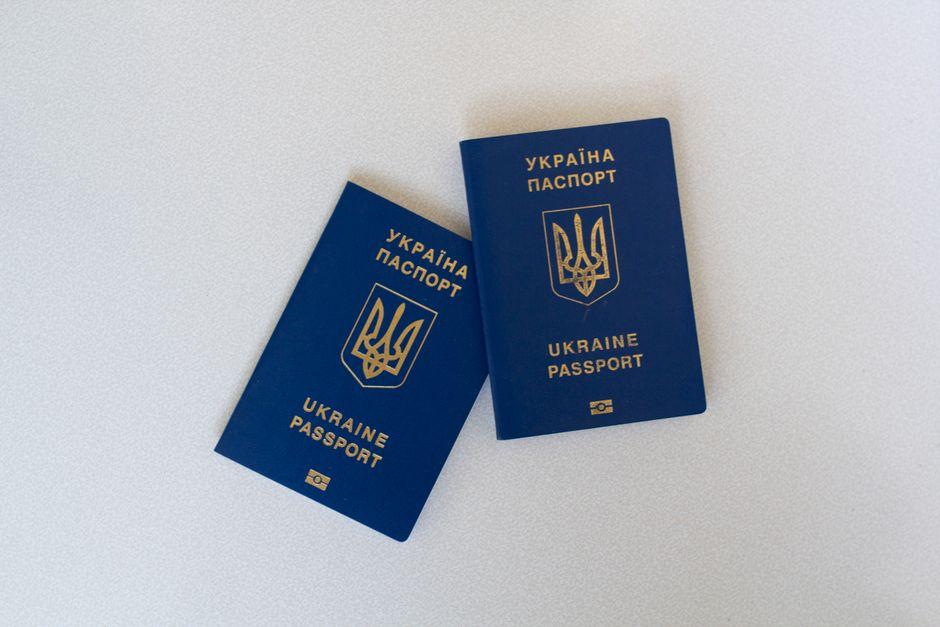
What Advantages Come with Embracing Double Citizenship
Embracing double citizenship often unlocks a range of practical benefits that appeal to individuals navigating global opportunities and cultural identities. One primary advantage is enhanced mobility: double citizens typically enjoy the right to live, work, and study freely in two countries, sidestepping visa restrictions that apply to others. This opens doors for career advancement and easier access to educational institutions. Additionally, holding dual nationality can provide increased security and flexibility during times of political, economic, or social instability in one country, serving as an effective contingency plan. Financially, some double citizens can access tax benefits or social services in both countries, though this depends heavily on the specific tax treaties and legal frameworks between the nations involved.
Furthermore, double citizenship strengthens personal and familial ties, allowing individuals to maintain a deeper connection with their heritage while participating fully in another society. For families, this status can ease the process of passing citizenship rights and benefits to children, ensuring multi-generational opportunities. However, it’s essential to consider legal responsibilities, such as potential dual tax obligations or mandatory military service rules, which vary widely. Below is a quick comparison highlighting key benefits and considerations:
| Aspect | Advantages | Key Considerations |
|---|---|---|
| Mobility | Visa-free travel, easier residency and work permits | Depends on bilateral agreements |
| Legal Rights | Access to social services, voting rights in both countries | Must comply with laws in both nations |
| Taxation | Potential for tax optimization | Possible dual tax liabilities |
| Cultural Identity | Stronger connection to heritage and culture | May involve complex personal identity dynamics |
Challenges and Legal Pitfalls to Watch Out For
While double nationality can offer numerous advantages such as expanded travel freedoms and broader employment opportunities, it also comes with distinct challenges and legal pitfalls that must be carefully considered. One major issue is the potential for conflicting obligations, particularly in countries with mandatory military service or unique tax regulations. For instance, some nations require dual citizens to fulfill military duties regardless of their primary residence, which can lead to unexpected legal complications. Additionally, taxation can become complex as dual nationals might be subject to tax laws in both countries, raising the risk of double taxation unless specific treaties or relief measures are in place. Understanding the specific legal frameworks governing dual citizenship in each country is essential to avoid unintentional non-compliance or penalties.
Other practical difficulties include problems with documentation and travel restrictions. Dual nationals may face situations where one country does not recognize the other citizenship, leading to issues such as refusal of consular assistance or challenges during entry and exit at borders. There can also be limitations on holding certain public offices or professions, as some countries place restrictions on dual citizens in sensitive roles related to national security. To navigate these complexities, experts recommend:
- Thoroughly researching each country’s legal stance on dual citizenship before applying or declaring it.
- Consulting with immigration or tax professionals to clarify duties and avoid inadvertent violations.
- Keeping all identification documents up to date and ensuring clarity about which passport to use for travel to each country.
- Being aware of the potential need to renounce citizenship if legal or personal circumstances change.
| Challenge | Potential Impact | Recommended Action |
|---|---|---|
| Conflicting Military Service Obligations | Legal penalties or forced service in one country | Verify military requirements in both countries before acquiring citizenship |
| Double Taxation Risks | Financial penalties and complex tax filings | Consult tax specialists on international tax treaties and filings |
| Travel Restrictions and Documentation | Difficulties in crossing borders or obtaining consular help | Maintain clear documentation and use the appropriate passport |
How to Decide if Dual Nationality Fits Your Life and Goals
Deciding whether dual nationality fits your life and goals begins with a clear understanding of what it entails: holding citizenship in two countries simultaneously. This status often provides tangible benefits such as easier international travel, expanded work and educational opportunities, and access to social services in both nations. However, it also carries complexities like tax obligations, potential military service, and navigating differing legal systems. Ask yourself key questions: Do you have personal, familial, or professional reasons tied to both countries? Will dual citizenship simplify your ability to live, work, or invest abroad? Also, consider the policies of each country-some allow dual nationality freely, while others impose restrictions or require renunciation of the prior citizenship. Your decision should weigh practical advantages against the potential for bureaucratic challenges or conflicting legal responsibilities.
To clarify your path, map out your priorities clearly. If your goals involve frequent international mobility, enjoying voting rights in both countries, or ensuring generational benefits like easier inheritance or education access, dual nationality could be advantageous. Conversely, if the countries involved have complex tax treaties, mandatory military service laws, or incompatible citizenship policies, staying with a single nationality may reduce legal risks and administrative burdens. Use the following comparison to identify considerations relevant to your situation:
| Key Aspect | Potential Benefit | Possible Drawback |
|---|---|---|
| Travel Freedom | Access to more visa-free countries | Complicated passport use and border controls |
| Legal Rights & Obligations | Voting and social benefits in both countries | Dual taxation and conflicting laws |
| Family & Heritage | Preserving cultural ties and inheritance rights | Possible identity conflicts or divided loyalties |
Ultimately, consulting with immigration experts or legal advisors who understand both countries’ regulations can provide personalized guidance tailored to your unique circumstances. Carefully evaluate how dual nationality aligns with your long-term aspirations-whether for career mobility, family unity, or personal identity-and make an informed choice based on both benefits and obligations.
Clearing Up Common Myths About Dual Nationality Rights and Duties
One prevalent myth about dual nationality is that it automatically grants unlimited rights and privileges in both countries. In reality, dual citizenship comes with a nuanced set of legal frameworks that vary widely between nations. For instance, while many countries allow dual nationals to hold passports and vote, certain rights such as running for public office or accessing government jobs may be restricted. Moreover, dual nationals might face tax obligations in both countries, depending on the tax treaties or policies in place. It’s also incorrect to assume that dual nationality erases the need to respect each country’s laws; individuals must comply fully with the legal duties imposed by each state, including military service requirements where applicable. Understanding these distinctions helps dual nationals navigate their rights responsibly and avoid unexpected legal complications.
Another common misconception is that holding dual nationality means one can avoid responsibilities such as taxes, legal accountability, or even military service. In truth, most countries expect dual nationals to honor their duties just as they would with single citizenship. This often includes:
- Paying taxes to both countries if income is generated in each jurisdiction
- Obligations for compulsory military service where enforced
- Potential legal consequences if laws in one country conflict with those in the other
| Myth | Reality |
|---|---|
| Dual nationality means no taxes if living abroad | Tax responsibilities often remain in both countries, depending on local laws and treaties |
| Dual citizens can ignore one country’s laws | Dual nationals must comply with the laws of each country where they reside or hold citizenship |
| Military service can be skipped by switching nationality | Many nations require military duty for all citizens, including dual nationals, regardless of other citizenships |
For those considering or holding dual citizenship, consulting legal experts or governmental resources specific to the countries involved is key to fully understanding personal rights and responsibilities. This ensures not only compliance but also maximizes the benefits that dual nationality can offer in today’s globalized world.
In Summary
Navigating the world of double nationality is much like holding a passport to multiple cultures, opportunities, and identities. It opens doors to new experiences and advantages, while also inviting thoughtful reflection on legal, social, and personal implications. By understanding what double nationality truly means, you equip yourself to make informed decisions that honor both your heritage and your future. Whether you’re embracing dual citizenship as a bridge between two homes or exploring it as a pathway to broader horizons, the journey is as unique as the individuals who undertake it. Ultimately, awareness and careful consideration are your best companions in unlocking the full potential of holding more than one nationality.




