
In an increasingly interconnected world, the boundaries of identity and citizenship are evolving in ways once thought impossible. Among these shifts, the phenomenon of dual national passports-once a mere bureaucratic convenience-has quietly transformed into a strategic tool with profound global implications. More than just documents granting access, dual passports represent a nuanced form of identity flexibility that some nations view with suspicion, while others discreetly guard as national secrets. This article delves into the complex realm of dual nationality, exploring why countries are wary of this “identity hack,” and what it means for individuals navigating the modern geopolitical landscape.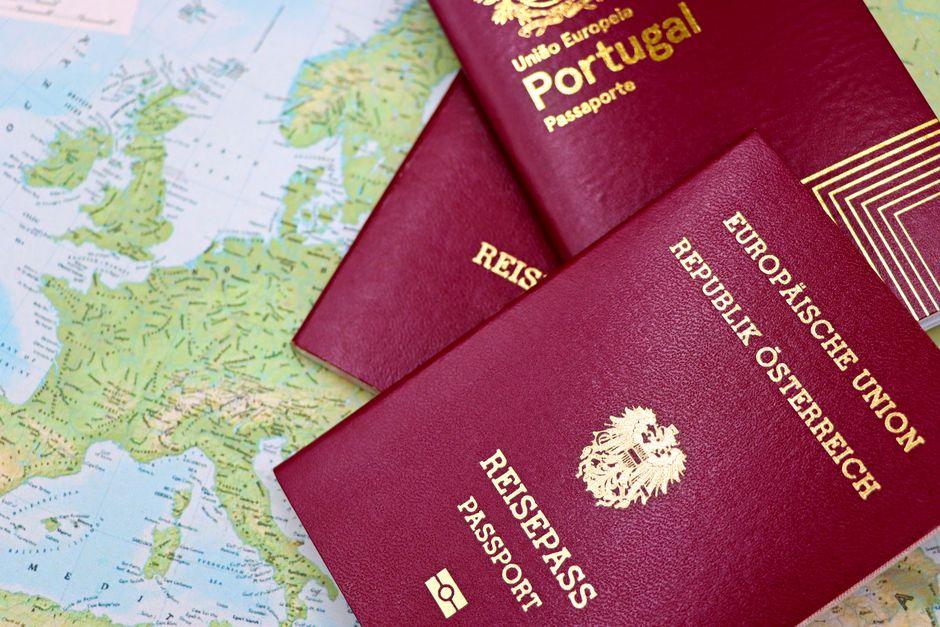
The Double-Edged Sword of Dual Citizenship in a Globalized World
Dual citizenship often markets itself as a passport to unparalleled freedom-financial agility, cross-border mobility, and diversified security nets. Yet, this “strategic identity hack” cuts both ways. Holding two nationalities can simultaneously open doors and raise barriers, especially when the legal, cultural, and diplomatic frameworks governing citizenships collide. The crux lies in navigating divergent obligations: tax liabilities might double, compulsory military service in one country could clash with obligations in another, and political loyalties are tested in times of international tension. In essence, dual citizenship is less a panacea and more a complex portfolio requiring constant management and strategic foresight.
Moreover, the simplistic allure of “having it all” masks subtle, often underappreciated trade-offs. The multiplicity of identities does not untether one from the geopolitical chessboard-in some cases, dual nationals may find themselves less protected, as states prioritize “sole” citizens in diplomatic crises. Rather than chasing multiple passports indiscriminately, a more nuanced approach demands a critical evaluation based on:
- Geopolitical stability of the countries involved
- Reciprocal legal protections and consular access
- Compatibility of civic duties (e.g., taxation, military service)
- Long-term lifestyle alignment including residency rights and cultural integration
Table 1: Quick Trade-Offs in Dual Citizenship
| Benefit | Potential Drawback |
|---|---|
| Expanded travel freedom | Increased scrutiny at borders due to dual identities |
| Access to multiple labor markets | Complex tax filing and compliance challenges |
| Enhanced diplomatic protection | Possible diplomatic ambiguity during international conflicts |
In a globalized world, effective exploitation of dual nationality is less about quantity and more about selective quality-choosing passports that complement each other legally, culturally, and politically rather than compounding vulnerabilities. This reframing encourages prospective dual nationals to wield their identities as strategic assets thoughtfully, rather than reckless privileges.

Beyond the Glamour of Passport Privileges The Underestimated Risks of Multiple Nationalities
The allure of multiple nationalities often centers on expanded mobility, increased business opportunities, and the perceived safeguard against geopolitical instability. Yet, this shiny exterior masks a complex web of legal obligations and identity conundrums that many fail to anticipate. For instance, holding passports from more than one country can trigger dual tax liabilities, compulsory military service, or conflicting civic duties. These aren’t mere bureaucratic headaches but potent risk factors that can undermine the very freedom and flexibility dual citizenship promises. Far from being a risk-free privilege, multiple nationalities demand a sophisticated understanding of the legal landscape in each jurisdiction-a level of vigilance that the average dual passport holder seldom practices.
Moreover, there’s a strategic paradox at play: while multiple passports ostensibly multiply advantages, they also scatter an individual’s identity across diverse legal and cultural frameworks, potentially eroding trust in international dealings. Agencies and governments are increasingly attuned to the nuances of dual citizenship, using it as a marker for comprehensive background checks or even grounds for revocation under suspicion of allegiance conflicts. A strategic approach means recognizing when holding multiple passports crosses from empowerment to liability. Consider the following trade-offs:
- Expanded Mobility vs. Heightened Scrutiny: More travel options often invite more intensive vetting and questioning at borders.
- Tax Optimization vs. Compliance Complexity: Multi-jurisdictional tax laws can transform perceived savings into costly audits.
- Political Protection vs. Identity Dilution: Divided national loyalties might complicate access to consular assistance in crises.
| Aspect | Opportunity | Underestimated Risk |
|---|---|---|
| Legal Complexity | Access to rights in multiple states | Conflicting obligations and sudden loss of status |
| Economic Benefits | Tax planning and asset diversification | Multifaceted tax reporting and penalties |
| Mobility | Eased access to visas and residency | Intensified border scrutiny and possible detainment |
The key is not simply to celebrate the glamour of dual nationality but to approach it as a nuanced identity strategy requiring personalized risk assessment and ongoing legal counsel. Pragmatic dual nationals treat their passports as dynamic assets, subject to reevaluation in line with shifting geopolitical climates, rather than static symbols of privilege. In this light, success lies in mastering complexity-not escaping it.
Unlocking Better Alternatives to Dual Passports for True Mobility and Security
While dual passports often promise expanded freedom of movement and enhanced security, they come shackled with complex legal, ethical, and operational pitfalls that most gloss over. The assumption that holding two national passports is the ultimate mobility hack oversimplifies a labyrinth of international regulations and diplomatic sensitivities. Governments don’t just resist dual nationality out of nationalism; they grapple with the security risks, conflicting loyalties, and geopolitical tensions it spawns. True mobility and security aren’t about juggling multiple identities, but about elevating your global standing through smarter, less controversial mechanisms-strategic visa planning, digital identity innovation, and targeted investment migration programs warrant far more attention. These alternatives emphasize trust-building and compliance, mitigating the risks of statelessness, blacklisting, or accidental legal contradictions that dual citizenship can trigger.
Let’s dissect some trade-offs and sharper distinctions to guide a more informed approach. Unlike dual passports, digital travel credentials backed by interoperable biometric data and blockchain could redefine trust without relying on nationality duplication. Meanwhile, visa facilitation treaties and regional mobility alliances unlock genuine, streamlined access-albeit more modestly-while reducing administrative stress at borders and lessening political friction. Investment migration programs, when well-structured, offer a tangible stake in a new nation’s economy and society, aligning incentives behind integration rather than mere legal documentation. However, such programs demand substantial capital and carry ethical scrutiny over “pay-for-access” models. The table below summarizes critical dimensions that should shape your decision beyond the allure of dual citizenship:
| Alternative Approach | Key Benefits | Notable Drawbacks |
|---|---|---|
| Digital Travel Credentials | Enhanced security, instant verification, reduced fraud | Infrastructure dependency, slower adoption, privacy concerns |
| Visa Facilitation & Regional Agreements | Legitimate access, stable bilateral relations | Limited scope, dependent on diplomacy |
| Investment Migration Programs | Economic integration, legal residency/citizenship | High cost, ethical debates, regulatory risks |
When National Loyalty and Legal Complexities Collide in Dual Citizenship
At the intersection of national loyalty and legal intricacies, dual citizenship challenges the very notion of exclusive allegiance that most countries expect from their citizens. While the popular narrative emphasizes the freedom and flexibility dual nationality offers, it glosses over the complex web of obligations and potential conflicts it creates. Governments often perceive dual citizenship as a threat-not merely to sovereignty, but to social cohesion and diplomatic clarity. The assumption that one’s loyalty can be evenly split is fundamentally flawed because legal responsibilities such as taxation, military service, and political participation don’t neatly divide between passports. This discrepancy forces dual nationals into a precarious balancing act, where prioritizing one nationality over another might lead to legal penalties, loss of rights, or even statelessness in extreme cases.
Rather than viewing dual citizenship through a simplistic lens of convenience or privilege, it demands a more nuanced evaluation that weighs distinct trade-offs. Individuals should critically assess their personal and professional priorities against the specific quirks embedded in each country’s legal framework. For example, some nations enforce compulsory military service that cannot be circumvented by holding another passport, while others impose double taxation unless formal treaties exist. Below is a selective breakdown illustrating these tensions:
| Country | Military Service Requirement | Taxation Complexity | Political Participation Restrictions |
|---|---|---|---|
| Israel | Mandatory (with exceptions) | Moderate, tax treaties in place | Limited for dual nationals in certain cases |
| United States | No | High, worldwide income taxed | None |
| Iran | Mandatory for males | Low, minimal tax treaties | Substantial restrictions, including loyalty tests |
| Germany | No | Moderate | Some restrictions depending on local state laws |
- Recommendation: Engage legal counsel specialized in nationality law before acquiring or activating a second citizenship.
- Caution: Don’t assume that diplomatic protection applies uniformly across your allegiances in case of arrest or political conflict.
- Insight: True strategic advantage lies not in the possession of multiple passports per se, but in mastering the legal and cultural obligations they enforce.
Navigating the Geopolitical Chessboard Through Strategic Identity Choices
In the increasingly multipolar world, wielding dual national passports is less about mere convenience and more a calculated maneuver on the global chessboard. Countries attempt to anchor their citizens’ loyalties and movements within rigid frameworks, viewing dual nationality as a potential threat to sovereignty or diplomatic clarity. Yet, this perspective often obscures the genuine strategic flexibility dual identities confer to individuals. The key distinction lies in recognizing that dual passports dismantle traditional assumptions of fixed national allegiance, replacing them with a fluid identity choice that transcends borders and opens unique socioeconomic avenues. However, this fluidity is a double-edged sword. For instance, while dual nationality can offer sanctuary during geopolitical instability or economic downturns, it also exposes individuals to complex tax regimes, conflicting military duties, or political backlash. Navigating these trade-offs requires a sophistication that goes beyond mere acquisition-demanding a clear-eyed evaluation of each passport’s geopolitical weight and the legal ecosystems they entail.
Strategic identity selection, therefore, isn’t simply about accumulating travel documents; it’s an exercise in geopolitical intelligence and risk management. Consider the following criteria when assessing which national passports to leverage:
- Geopolitical Stability: Opt for countries with resilient institutions and predictable legal frameworks that shield your interests.
- Economic Access: Prioritize passports providing not just visa-free travel, but gateways to lucrative markets and investment opportunities.
- Diplomatic Relations: Analyze diplomatic ties and potential friction points between your national identities to avoid complications.
- Legal Responsibilities: Scrutinize citizenship obligations-taxes, service, or legal exposure-that might impact your mobility or financial situation.
| Factor | Advantage | Potential Pitfall |
|---|---|---|
| Passport Strength | Broader visa-free travel, easier business setup | May increase scrutiny or require complex renewals |
| Dual Loyalty Perception | Negotiation leverage in multinational dealings | Risk of distrust or legal complications in conflicting states |
| Taxation and Legal Duties | Access to favorable tax regimes | Double taxation, unexpected military or civic duties |
Ultimately, exploiting dual national passports as a strategic identity hack demands a proactive, informed stance-not passive possession. It challenges the age-old notion that nationality must be singular and fixed. Instead, it invites a new paradigm where identity is a portfolio asset-maneuvered deliberately to maximize security, opportunity, and autonomy amid an unpredictable geopolitical terrain.
Wrapping Up
As the world continues to shrink and boundaries blur, the allure of dual national passports reveals itself not merely as a legal convenience, but as a powerful tool-a strategic key to unlocking opportunities, protections, and identities beyond the reach of one nation alone. Yet, beneath the surface of this increasingly common practice lies a tension many countries would rather keep quiet. While dual citizenship can personify freedom in mobility and allegiance, it also challenges traditional notions of sovereignty and control. Whether you view it as a savvy life hack or a complicated geopolitical puzzle, the phenomenon of dual national passports invites us all to reconsider the meaning of borders, belonging, and identity in an increasingly interconnected world. As this landscape evolves, one thing remains certain: mastering the art of navigating multiple nationalities may be the ultimate identity strategy the modern globe has yet to fully reckon with.




