
In an increasingly interconnected world, the concept of identity is becoming more fluid and multifaceted. Among the most intriguing manifestations of this shift is dual national citizenship-an arrangement that allows individuals to hold legal allegiance to two countries simultaneously. But what does it truly mean to be a dual citizen? Beyond the passport stamps and visa exemptions, this status carries a tapestry of rights, responsibilities, and cultural complexities. In this article, we delve into the essence of dual national citizenship, exploring its benefits, potential challenges, and practical advice on how to navigate the legal and personal landscapes it presents. Whether you’re considering applying or simply curious about the growing phenomenon, understanding dual citizenship is key to embracing its full dimension.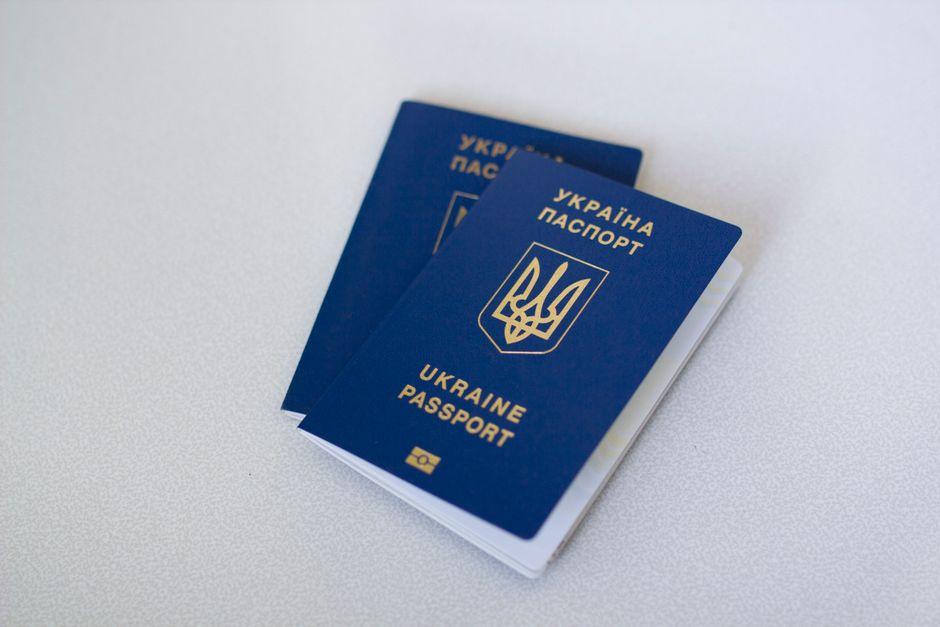
Exploring the Basics of Holding Two Passports Simultaneously
Holding two passports simultaneously refers to legally possessing and using travel documents from two different countries, often as a consequence of dual citizenship. This status allows individuals to enjoy the rights, privileges, and responsibilities granted by both nations. For example, a person with dual citizenship might benefit from easier international travel, the ability to work or study in both countries without the need for visas, and access to social services from either state. However, this privilege comes with certain complexities, such as the need to comply with the laws and tax obligations of both countries, which can sometimes conflict. Countries differ greatly in their acceptance and regulation of dual nationality – some fully embrace it, while others may require renouncing previous citizenships or impose restrictions on dual nationals.
Understanding the practical implications involves examining common questions and concerns: Can holding two passports complicate your diplomatic protections abroad? How do dual citizens navigate taxation and military service duties? To clarify these, here’s a comparative overview of typical aspects associated with dual passports:
| Aspect | Benefits | Considerations |
|---|---|---|
| Travel Flexibility | Visa-free or simplified entry into multiple countries | Must carry correct passport depending on destination and purpose |
| Legal Rights & Employment | Right to live, work, and access education in both nations | Different legal systems can create conflicting obligations |
| Citizenship Responsibilities | Ability to participate in both countries’ democratic processes | Possible double taxation or compulsory military service |
For those considering or already holding two passports, it’s recommended to seek expert advice regarding each country’s policies on dual nationality, taxation, and civic duties, as these can vary widely and directly affect your legal standing and privileges. Ultimately, holding two passports can unlock significant opportunities, but understanding the nuances and responsibilities involved is key to navigating this status effectively.

Unlocking the Advantages and Challenges of Dual Citizenship
Dual citizenship offers a unique blend of advantages that appeal to individuals seeking flexibility and expanded opportunities across borders. Among the most significant benefits are enhanced travel freedom-allowing holders to use two passports for easier visa access-and greater economic potential through work, education, and property ownership rights in multiple countries. Additionally, dual nationals often enjoy access to social services and healthcare systems in both nations, which can be a substantial advantage for families and retirees. Beyond practical perks, maintaining cultural ties and fostering a sense of belonging to two communities provide emotional and social benefits that single citizenship may not offer.
However, navigating dual citizenship also comes with notable challenges that deserve careful attention. Individuals must be aware of complex legal obligations, including tax liabilities and mandatory military service, which vary widely depending on the countries involved. Dual nationals might face bureaucratic hurdles such as conflicting legal requirements or difficulties in obtaining clear documentation of their status. To illustrate these factors, consider the comparison below:
| Aspect | Potential Benefits | Common Challenges |
|---|---|---|
| Travel | Access to two passports, visa-free entry in more countries | May need to choose which passport to use upon entry/exit |
| Legal Obligations | Ability to work or reside in multiple countries | Double taxation, mandatory military service risks |
| Social Services | Benefits from welfare, education, and healthcare in both states | Eligibility criteria might conflict or limit access |
- Recommendation: Before pursuing dual citizenship, thoroughly research each country’s laws and consult with legal experts to understand your rights and responsibilities.
- Practical Tip: Keep all documentation up to date and stay informed on any changes in citizenship laws to avoid unintended complications.
Common Myths About Dual Nationality That May Surprise You
- Myth: Holding dual nationality means you must pay double taxes. Many assume that dual citizens automatically face double taxation, but this is not universally true. Most countries have bilateral tax treaties designed to prevent individuals from being taxed twice on the same income. However, the specifics vary greatly, so it’s important to research tax obligations in both nations and possibly consult a tax advisor to understand your precise responsibilities.
- Myth: Dual nationality causes automatic loss of one citizenship. Contrary to popular belief, acquiring a second nationality does not always require renouncing your first. Many countries permit dual citizenship, allowing individuals to legally hold two passports at once. The myth often stems from certain countries that strictly forbid dual status, but globally, the trend is moving towards more acceptance and flexibility.
- Myth: Dual citizens have the same rights and obligations everywhere. Having two nationalities doesn’t mean equal rights or obligations in both countries. For example, you may be required to serve in the military in one country but not the other, or you could have different voting rights. Additionally, protections like consular assistance can vary depending on your physical location and the diplomatic relations between the countries involved.
| Myth | Reality |
|---|---|
| Dual citizenship means double voting power. | Voting rights depend on each country’s laws; one citizenship may grant full voting rights while the other restricts participation in certain elections. |
| You must carry two passports at all times. | Carrying both passports is beneficial for travel, but not legally mandatory; usage depends on your travel plans and country of entry. |
| Dual nationality simplifies all legal processes. | While it offers flexibility, legal and bureaucratic requirements can be complex, often requiring navigation through two distinct systems. |
Key Considerations When Choosing to Embrace Dual Citizenship
When considering dual citizenship, it’s essential to understand both the legal implications and practical consequences that come with holding two nationalities. Different countries have varying policies on dual citizenship-some fully recognize it, while others impose strict limitations or outright prohibit it. Researching your countries of citizenship will reveal whether you can vote, work, or access social services in both nations without conflicts. For example, some countries require dual citizens to enter and exit using the passport of that country, which can affect travel planning. Additionally, tax obligations often extend to dual nationals, meaning you might be subject to taxation in both countries depending on your residency and income sources. Consulting with legal or tax experts can help navigate these complexities, ensuring compliance and avoiding unexpected penalties.
Beyond legalities, personal and cultural factors weigh heavily in the decision to embrace dual citizenship. Consider how it might affect your familial ties, career opportunities, and sense of identity. Dual citizenship can unlock benefits like easier international travel, expanded work rights, and access to educational programs, but it might also introduce challenges such as mandatory military service or limitations on holding public office in one or both nations. Here’s a quick comparison to illustrate some typical trade-offs:
| Aspect | Dual Citizenship Benefits | Potential Challenges |
|---|---|---|
| Travel | Two passports for visa-free or easier entry | Entry/exit rules can be complex; possible scrutiny at borders |
| Legal Rights | Access to social services and voting rights in both countries | Dual taxes and legal responsibilities in each nation |
| Obligations | Opportunity to legally reside and work freely | Compulsory military service or legal duties in one country |
Ultimately, deciding to pursue dual citizenship requires balancing these benefits against any restrictions or duties imposed. Thoroughly evaluating your personal circumstances, goals, and the specific regulations of involved countries will guide a well-informed and sustainable choice.
Practical Tips for Managing Your Rights and Responsibilities Abroad
When managing your rights and responsibilities as a dual citizen abroad, clarity and preparation are key. Understanding which country’s laws apply in various situations can prevent legal complications. For example, taxation might require filing returns in both nations, but knowing tax treaties can avoid double taxation. Additionally, always keep both passports valid, as some countries mandate entry with their own travel document. It’s also crucial to understand voting rights and military obligations, which differ widely – some dual citizens might be required to serve or report to authorities in one country even while living abroad. Maintaining regular contact with the respective embassies can provide timely updates on legal changes affecting your status.
To make navigating dual citizenship manageable, consider these practical tips:
- Stay Organized: Keep all important documents-passports, visas, residency permits-in one accessible place, both digitally and physically.
- Know Your Tax Responsibilities: Consult a tax professional familiar with international laws to clarify your obligations and avoid penalties.
- Respect Local Laws: Your dual citizenship doesn’t exempt you from adhering to the host country’s regulations, including registration and local jurisdiction rules.
- Use Embassy Resources: Register with your embassies for assistance during emergencies or personal legal issues abroad.
| Aspect | Consideration | Recommendation |
|---|---|---|
| Travel Documentation | Entry requirements and visa rules | Use the passport of the country you are entering for smoother access |
| Tax Filing | Obligation to file taxes in both countries | Seek advice from dual tax experts |
| Legal Obligations | Military service, jury duty, or other civic duties | Check each country’s requirements regularly |
Future Outlook
In a world where borders often blend and identities intertwine, understanding dual national citizenship opens a door to a richer, more expansive sense of belonging. It offers unique opportunities and challenges alike-bridging cultures, expanding horizons, and sometimes complicating legal landscapes. Whether it’s the promise of new rights, the responsibility of dual duties, or the complexity of navigating two legal systems, embracing dual citizenship requires both awareness and thoughtful consideration. By grasping its essence, benefits, and intricacies, individuals can confidently chart their path through this layered identity-transforming what might seem like a balancing act into a harmonious fusion of two worlds.




