
In a world where borders can both define identity and shape opportunity, the dream of acquiring a new citizenship has taken on a tangible form—real estate. “From Dream to Doorstep: Navigating the Realities of Citizenship Through Property Investment” delves into the evolving landscape where bricks and mortar intersect with passports and privileges. This exploration unpacks the promises, complexities, and unexpected challenges that come with obtaining citizenship not just through heritage or long-term residency, but by the strategic purchase of property. As investors weigh the allure of new beginnings against legal frameworks and market realities, this article offers a balanced guide to understanding what it truly means to turn a dream into an address.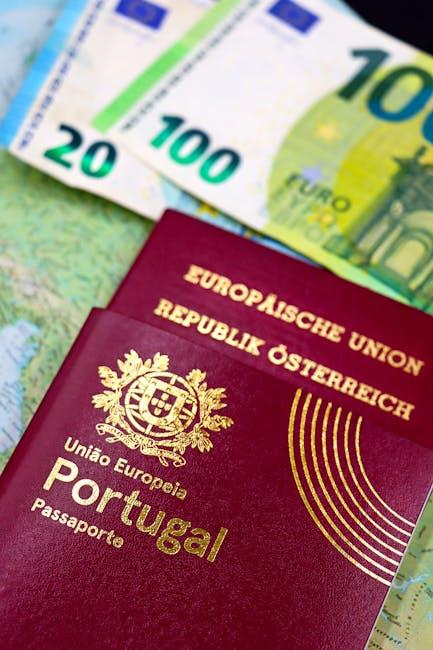
The Early Ambitions Behind Investing for Citizenship
The early allure of investing in property for citizenship was often painted in broad, hopeful strokes—own a slice of paradise, secure a new passport, and unlock global mobility. Take Elena, a software engineer from Eastern Europe, who initially saw a $250,000 apartment purchase in a popular Mediterranean country as her golden ticket to European Union citizenship. The expectation was simple: invest once, reap the benefits indefinitely. However, upon diving deeper, Elena discovered intricate residency requirements, varying timelines, and hidden clauses that made the process far less straightforward. Her journey revealed a critical lesson: citizenship through property investment isn’t a mere transaction but a commitment intertwined with local laws and personal circumstance.
This early phase often highlights the tension between dreams and realities seen in many investors’ experiences. Another example is Raj, a businessman from South Asia, who saw buying a commercial property abroad as a path to citizenship and business expansion. While the investment did secure a residency permit in the short term, the path to full citizenship required years of continuous residence and language proficiency—factors he hadn’t initially accounted for. What stood out was how early ambition often collided with unexpected administrative hurdles, timelines, or changes in policy. These stories echo a shared moratorium for prospective investors:
- Due diligence beyond price tags : Understanding legal prerequisites prevents costly missteps.
- Patience over immediacy : Citizenship is typically a marathon, not a sprint.
- Aligning investment with lifestyle : Compliance often means living on location, not just owning property.
| Expectation | Reality |
|---|---|
| Immediate citizenship following investment | Residency requirements lasting 3-5 years |
| Minimal involvement beyond purchase | Ongoing compliance and physical presence needed |
| Investment primarily financial | Lifestyle and legal adaptation become crucial |
The early ambitions illuminating this path are essential, serving as both inspiration and caution. Understanding these nuances can transform an idealized dream into a navigable reality.

Understanding the Obstacles and Limits in Property-Based Citizenship
- Unseen Government Criteria: Take Raj, who eagerly invested in a luxury apartment in a popular European city, believing the property alone would secure his citizenship. What he didn’t anticipate was the government’s broader portfolio demands—such as minimum stay requirements, background checks, and financial audits. His dream of a straightforward, transactional citizenship was paused indefinitely when the authorities weighed factors beyond the purchase price. This revealed a common misconception: property ownership is rarely the only criterion governments consider.
- Market Volatility and Its Ripple Effects: Maria’s story adds another layer. She invested a significant sum in a coastal property in a Caribbean nation known for its citizenship-by-investment program. Initially optimistic, she had to confront unforeseen shifts—not just in local real estate prices but in political climate changes that tightened the program’s rules. The value of her property fluctuated, impacting not just her potential citizenship status but also her resale options, forcing her to reassess timelines and expectations.
| Expectation | Reality | Lesson Learned |
|---|---|---|
| Property purchase guarantees citizenship | Additional legal, financial, and residency criteria must be met | Citizenship requires a multi-faceted approach, not just financial investment |
| Property value remains stable post-investment | Market shifts and political changes influence property worth and eligibility | Due diligence on local market conditions is crucial before investing |
Turning Points and Unexpected Realities in the Investment Journey
When James first embarked on his journey to gain citizenship through property investment, he envisioned a straightforward process: find the perfect property, invest, and soon enough, receive the coveted passport. Yet, the reality proved far more layered. One critical turning point came when a detailed due diligence uncovered zoning restrictions on his initially preferred property, rendering it ineligible for the program. This forced James to widen his search and adapt his timeline, reminding us all that the legal and regulatory landscape can redefine even the most meticulous plans. Investors often expect a seamless purchase, but the reality is that citizenship-linked real estate laws vary drastically by country and can evolve, sometimes mid-process. Being flexible and anticipating regulatory shifts can make the difference between success and costly delays.
- Lesson Learned: Always conduct comprehensive legal checks before committing; assumptions about “safe” projects can backfire.
- Decision Point: Whether to pivot quickly or hold out for the dream property affects timelines and visa approvals.
Contrast Emma’s experience with that of James. She pursued citizenship through a property investment scheme offering seemingly quick returns, only to discover the residency requirements mandated far more personal involvement—extended stay periods and formal interviews. This reality clashed with her initial expectation of a passive investment. Unlike James, Emma had to recalibrate her lifestyle and expectations to meet the program’s intangible demands. The journey revealed an important truth: citizenship is not solely transactional but woven with compliance and cultural integration. Keeping this in mind can help investors prepare beyond the financial outlay, recognizing that time, patience, and personal adjustment often hold equal weight alongside capital.
| Investor | Expectation | Reality | Outcome |
|---|---|---|---|
| James | Simple purchase with immediate eligibility | Property restrictions and regulatory hurdles delayed process | Pivoted purchase plans, eventual approval with extended timeline |
| Emma | Passive investment, minimal residency requirements | Mandatory residency periods and formal interviews | Adjusted lifestyle, fulfilled residency obligations, obtained citizenship |
Lessons Learned from Successful and Failed Attempts
- Expectations vs. Realities: The Tale of Two Investors
Consider Lisa, who invested in a luxury apartment in a European country famous for its ‘Golden Visa’ program. She anticipated a straightforward path to residency, only to confront bureaucratic hurdles and prolonged processing times. In contrast, Ahmed invested in a simpler property within a newly emerging market with clear, transparent regulations. While the property’s immediate appeal was less glamorous, Ahmed experienced a smoother, more predictable journey toward citizenship. This contrast underscores a key lesson: due diligence on legal frameworks and residency requirements is paramount, beyond the allure of high-end real estate. - Missed Milestones and the Value of Timing
A common stumbling block emerges when investors fail to align their property purchase with critical timelines, a lesson learned the hard way by Sophia. She acquired a property subject to a citizenship program set to expire soon, only to discover that application deadlines and minimum holding periods were stricter than anticipated. Had she consulted local experts sooner, she might have avoided nullifying her investment’s potential benefits. On the other hand, Rahul seized an opportunity in a jurisdiction newly introducing property-linked citizenship if purchased before a set date, capitalizing on both a favorable investment and expedited citizenship processing. These stories illustrate how strategic timing and expert advice can turn the difference between a failed attempt and successful attainment of citizenship through property investment.
Evaluating the Personal and Financial Outcomes Beyond the Promise
- Case in point: When Michael invested in a coastal property in a Mediterranean country to secure citizenship, he imagined a swift process leading to new opportunities and a seamless integration into European life. Yet, several months post-investment, Michael found himself navigating bureaucratic red tape and adjusting to unexpected residency requirements. His story illustrates the reality that citizenship-by-investment is rarely a direct exchange. Beyond the financial outlay, individuals must consider the ongoing legal obligations, cultural assimilation challenges, and the potential for delays that can test patience and resources.
- On the financial front, Sarah’s experience contrasts sharply with Michael’s. She chose a thriving urban locale with promising rental yields, anticipating her property would pay for itself while fast-tracking her family’s citizenship. However, fluctuating market conditions meant rental income was inconsistent, and maintenance costs were higher than projected. This situation underscores the importance of thorough market analysis and realistic expectations when aiming to recoup investment costs indirectly through property. Both stories emphasize a crucial lesson: the journey from dream to citizenship is as much about adaptability and risk management as it is about finances and legal frameworks.
| Decision Point | Expectation | Reality | Lesson Learned |
|---|---|---|---|
| Location Choice | Fast citizenship processing | Lengthy procedures & unforeseen residency conditions | Research all legal nuances beyond the headline offers |
| Investment Returns | Stable rental income offsets costs | Variable market leads to inconsistent cash flow | Prepare financially for volatility and exit scenarios |
Insights and Conclusions
As the journey from aspiration to acquisition unfolds, the pathway of citizenship through property investment reveals itself as both opportunity and challenge. It is a delicate dance between dreams and due diligence, where each step demands thoughtful navigation of legal landscapes, financial commitments, and personal goals. Ultimately, transforming the dream into a doorstep is less about shortcuts and more about understanding the intricate realities that lie along the way—turning hope into tangible home, and possibility into a place called belonging.




