
In a world where borders simultaneously define identity and opportunity, the path to American citizenship has taken on new dimensions beyond the traditional routes of birthright or naturalization. For many, the pursuit of the American dream now intertwines with strategic investment, transforming aspirations into tangible legal status through a complex, yet navigable journey. “From Dreams to Documents: Navigating the Journey of American Citizenship by Investment” explores this modern crossroads—where ambition meets regulation, where financial commitment becomes a bridge to belonging, and where the promise of opportunity is etched into the very fabric of legal identity. This article delves into the nuances, challenges, and prospects that define this unique pathway to one of the world’s most coveted citizenships.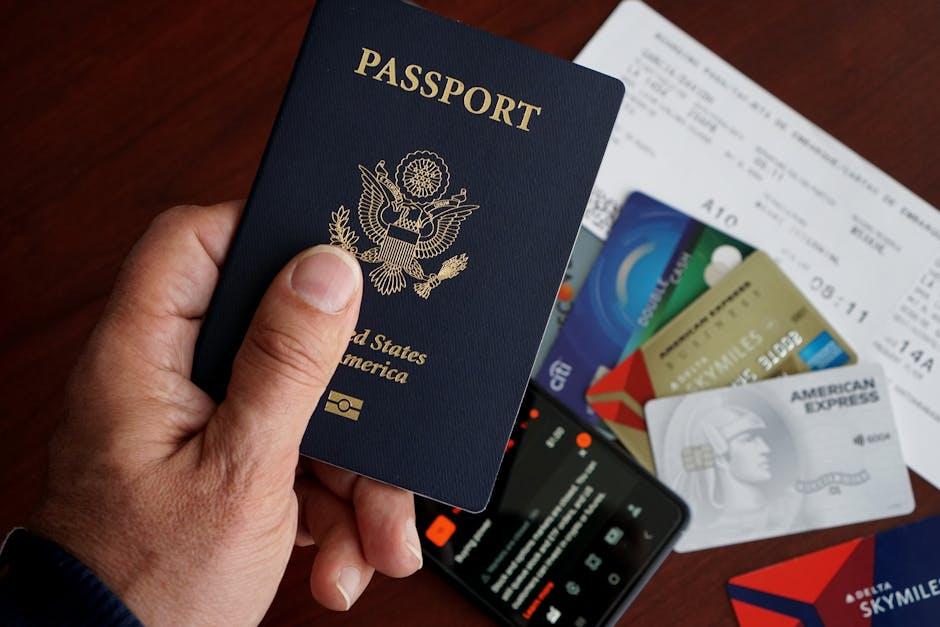
Opening Doors Through Investment Opportunities
- Maria’s Story: For many, like Maria, the decision to pursue citizenship by investment begins with hopes of better education and healthcare for her family. Initially drawn by the promise of a streamlined process, she quickly discovered that the journey involved more than just financial commitment—it required careful navigation through legal frameworks, setting realistic expectations about timelines, and understanding the nuances of each program available. Maria’s experience underscores an important lesson: thorough due diligence and working with trusted advisors can mean the difference between a smooth transition and unexpected delays.
- Common Pitfalls and Rewards: Investors often enter this path with the assumption that a hefty investment guarantees instant approval. However, the reality is that each country’s program has rigorous criteria beyond capital contribution, such as background checks, residency obligations, and source-of-funds verification. Conversely, those who approach the process with a clear plan—evaluating offers not just by upfront costs but by long-term benefits like visa-free travel, tax advantages, and quality of life—tend to transform their initial investment into tangible, lasting opportunities. The key takeaway here is balancing enthusiasm with a grounded understanding of what each program can realistically deliver.
| Investment Type | Typical Processing Time | Key Considerations |
|---|---|---|
| Real Estate Purchase | 6–12 months | Market stability, resale value, location |
| Government Bonds/Donations | 3–9 months | Non-refundable, less tangible asset, faster processing |
| Business Investment | 9–18 months | Job creation requirements, business viability, involvement level |
Overcoming Legal and Financial Complexities Along the Way
- Legal labyrinths often reveal themselves only after the initial excitement wanes. Take the case of Sarah and Miguel, a couple who envisioned swift approval through a straightforward investment route. Their expectations met a stark reality when nuanced regulations regarding source-of-funds documentation delayed their application by months. What they learned: patience coupled with expert legal guidance is invaluable. Legal advisors proficient in both investment and immigration law proved instrumental in navigating shifting policy interpretations and paperwork revisions. The key takeaway? Always anticipate evolving requirements and prepare for ongoing consultations rather than one-time advice.
- Financial complexities go beyond just the investment sum. Consider Raj, who chose a regional center to streamline his process, only to encounter unexpected administrative fees and fluctuating processing timelines that affected his cash flow planning. His experience highlights the importance of detailed financial due diligence—such as verifying fee structures, understanding escrow account protocols, and budgeting for contingencies. The contrast between initial projections and actual costs underscored a critical lesson: thorough financial planning and transparency from service providers are just as crucial as the investment amount itself. Developing a clear, adaptable financial roadmap can mean the difference between stress and manageable progression.
The Role of Personal Stories in Shaping Successful Applications
When Maria, a tech entrepreneur from Brazil, decided to pursue American citizenship through investment, she initially focused heavily on the financial and legal requirements. Her application was robust on paper—investment portfolios, tax returns, and business plans—but something was missing. It was only after she shared her personal journey—how the U.S. fueled her passion for innovation and her desire to contribute to its economy—that her file gained emotional depth. Citizenship isn’t just about dollars and documents; it’s a narrative of belonging, aspiration, and mutual enrichment. In fact, many successful applicants find that weaving authentic personal stories into their submissions creates a compelling context that helps immigration officers see beyond cold facts. This isn’t about embellishment but about highlighting real motivations, challenges overcome, and the tangible impact the individual envisions making.
Consider these practical insights drawn from applicant experiences:
- Highlight your connection: Whether it’s family ties, professional networks, or cultural contributions, clarifying why the U.S. matters personally can separate an application from countless others.
- Balance story with substance: Personal narratives must complement, not replace, solid financial documentation and compliance with legal criteria.
- Address potential concerns proactively: Sharing how previous setbacks were addressed or how challenges in adapting are being managed reassures reviewers that the investment is both stable and sustainable.
| Applicant | Personal Story Focus | Impact on Application |
|---|---|---|
| Maria (Tech Entrepreneur) | Passion for innovation & U.S. economic contribution | Humanized her application, strengthened emotional appeal |
| Ahmed (Restaurateur) | Family legacy & community engagement | Demonstrated long-term commitment beyond investment |
| Li (Investor) | Overcoming financial adversity & business turnaround | Conveyed resilience and capacity for sustained economic activity |
Weighing Risks and Rewards with Real-World Case Studies
- The Martinez Family’s Careful Balancing Act – When the Martinez family embarked on their citizenship by investment journey, their goal was clear: access to quality education and seamless business opportunities in the U.S. They opted for an investment in a regional center project promising expedited processing. However, halfway through, regulatory changes altered the project’s risk profile. The family’s initial optimism met a sobering reality check, forcing them to reassess and delay their plans. Their experience underscores the importance of continuous due diligence and maintaining flexibility amid evolving policies.
- John’s Unexpected Roadblock and Adaptation – John, a successful entrepreneur from Canada, expected a smooth path through the EB-5 investment route. Yet, delays in government approvals extended his timeline far beyond expectations, testing his patience and finances. Instead of waiting it out, John diversified his investment and consulted immigration experts to pivot towards a different investment vehicle aligned with changing priorities. His story highlights that while risks abound, proactive consultation and adaptability can transform potential pitfalls into strategic advantages.
| Aspect | Expectation | Reality | Lesson Learned |
|---|---|---|---|
| Processing Time | 12–18 months | 24+ months due to policy shifts | Plan for delays; monitor regulatory environment closely |
| Investment Stability | Secure and low-risk projects | Projects sometimes face funding or compliance challenges | Conduct independent financial and legal due diligence |
| Flexibility | One-size-fits-all investment approach | Multiple pathways and changing options are common | Stay informed and consider alternative strategies proactively |
Understanding the Long-Term Impact on Identity and Belonging
- Jamal’s story reflects a common experience among those who acquire American citizenship through investment: the initial excitement of securing a green card or passport often gives way to a deeper exploration of identity. For Jamal, originally from Ghana, the decision was driven by business opportunities. Yet, once settled, he found himself questioning his sense of belonging. Though legally American, his cultural ties and daily practices remained deeply rooted in his heritage. This duality brought both richness and tension—he felt enriched by the new possibilities but also faced moments where neither community felt fully his own.
- Decision points like establishing community ties and engaging with local traditions became crucial for Jamal and others in similar positions. Many investors underestimate how much citizenship demands beyond legal documentation: it requires a personal integration of experiences and values. Some embrace this challenge by enrolling in community programs and exploring cultural exchanges, slowly building a hybrid identity. Others, however, may feel isolated or fragmented, revealing that the journey to American citizenship is as much internal as external.
| Expectation | Reality |
|---|---|
| Immediate sense of belonging in the U.S. | A gradual process that may involve cultural dissonance and identity negotiation. |
| Seamless professional integration post-investment | Challenges balancing business cultures and personal identity can arise. |
| Citizenship equals complete acceptance | Legal status doesn’t guarantee social or emotional belonging; much depends on community engagement. |
Final Thoughts
In the intricate tapestry of American citizenship by investment, dreams are carefully woven into tangible reality. Navigating this journey demands more than capital—it requires clarity, patience, and an informed approach. As aspiring investors embark on this path, understanding each step transforms abstract hopes into documented success. Ultimately, the voyage from dreams to documents is not just a process, but a bridge connecting ambition with opportunity in the land of promise.




