
In an increasingly interconnected world, the concept of identity often transcends geographical borders. Dual nationality citizenship-holding legal allegiance to two countries simultaneously-is more than a bureaucratic status; it is a bridge between cultures, opportunities, and rights. But what exactly does dual nationality mean? What advantages does it offer, and how can one navigate the sometimes complex path to acquiring it? This article unpacks the essence of dual citizenship, exploring its benefits and the steps needed to embrace this unique legal bond with multiple nations. Whether driven by heritage, work, or personal choice, understanding dual nationality can open doors to a world of possibilities.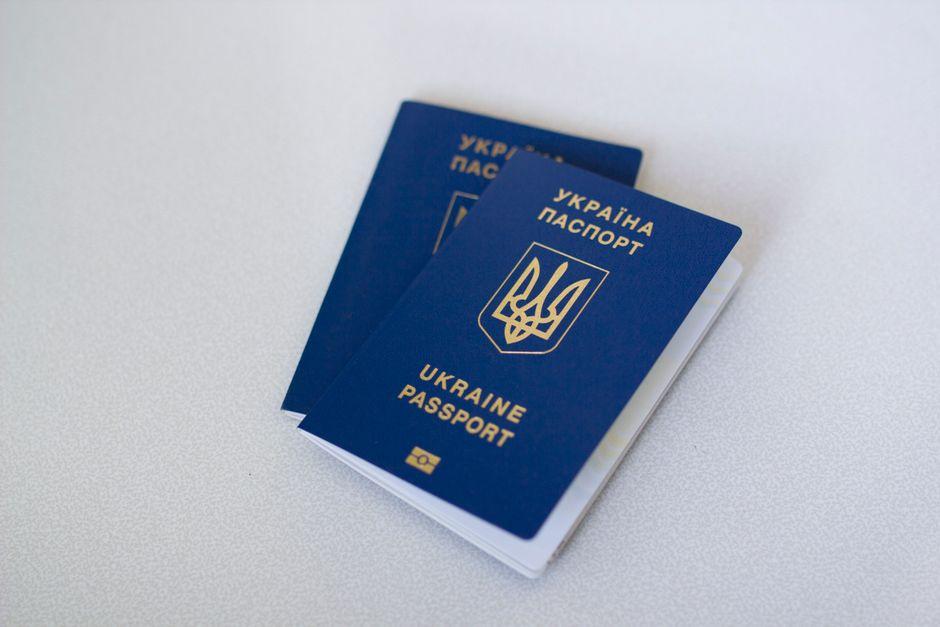
What Dual Nationality Really Means and How It Affects Your Rights
Dual nationality means that a person is legally recognized as a citizen by two different countries simultaneously. This status allows individuals to hold passports, vote, work, and reside in both nations under their respective laws. However, dual nationality is not just about enjoying benefits-it also comes with complexities regarding legal obligations such as taxes, military service, and adherence to each country’s regulations. It’s important to understand that while both countries acknowledge your citizenship, their laws may conflict in certain areas, affecting how you exercise your rights. For example, dual nationals may be subject to compulsory military service or local laws, regardless of their other citizenship, which can complicate travel or legal situations.
Understanding how dual nationality affects your rights involves recognizing both the advantages and potential drawbacks. Some clear benefits include:
- Access to social services, healthcare, and education in both countries
- The ability to live and work freely across borders without immigration restrictions
- Expanded business and investment opportunities
- Protection and assistance from the consular services of both countries when abroad
However, challenges can arise, such as:
- Double taxation, if both countries tax worldwide income and lack tax treaties
- Complicated inheritance laws, where estates may be subject to different rulings
- Restrictions on holding public office or accessing certain government jobs
To navigate these issues effectively, it’s recommended to consult legal experts familiar with both countries’ citizenship laws. Maintaining clear documentation and understanding the rights and responsibilities tied to each nationality can prevent conflicts and help you make the most of your dual citizenship.
| Aspect | Single Citizenship | Dual Citizenship |
|---|---|---|
| Passport | One national passport | Two passports issued by each country |
| Legal Obligations | Obligations solely to one country | Obligations to both countries, including taxes and laws |
| Political Rights | Voting and office-holding in one country | May have voting rights in both, but some restrictions apply |

Exploring the Advantages and Challenges of Holding Two Passports
| Aspect | Advantages | Challenges |
|---|---|---|
| Travel | Visa-free access, easier border crossing | Potential restrictions due to political issues |
| Legal Obligations | Rights to work/live and social benefits | Dual taxation, military service |
| Identity | Cultural connection, family ties | Conflicting legal responsibilities |
Common Misunderstandings About Dual Citizenship Explained
Dual citizenship often comes with several misconceptions that can confuse or deter applicants. One common misunderstanding is that holding two passports means you must pay taxes twice or serve compulsory military duties in both countries. In reality, tax obligations and military service requirements vary widely depending on bilateral agreements and each nation’s laws. For example, some countries tax based on residency or income earned within their borders rather than mere citizenship, and many have exemptions or deferments for dual nationals regarding military service. Another myth is that dual citizenship automatically guarantees unrestricted travel; while it often simplifies visa processes, each passport still carries its own set of travel restrictions and benefits. Additionally, people mistakenly believe that acquiring a second nationality means renouncing the first, which is not true in most dual citizenship frameworks where both nationalities coexist legally.
When comparing dual nationality to single citizenship, it’s crucial to recognize potential challenges alongside the benefits. While dual nationality expands global mobility and access to social services, it may complicate legal matters such as inheritance, voting rights, and eligibility for certain government jobs-some countries prohibit dual nationals from holding specific public offices. To navigate these complexities effectively, consider maintaining clear documentation and understanding each nation’s stance on dual citizenship. Practical recommendations include consulting immigration experts before applying, staying informed about obligations like tax reporting in both countries, and regularly reviewing changes in relevant laws. The table below highlights some typical concerns versus realities associated with dual nationality:
| Common Concern | Reality |
|---|---|
| Must renounce original nationality | Most countries allow dual citizenship without renunciation |
| Double taxation on worldwide income | Tax treaties often prevent double taxation; taxes depend on residency and income source |
| Automatic military conscription in both countries | Some exceptions exist; many countries exempt dual nationals or allow deferments |
| Freedom to use either passport everywhere | Travel freedom depends on each passport’s visa policies and international relations |
Choosing Between Single and Dual Nationality Situations to Consider
Choosing between single and dual nationality involves weighing various personal, legal, and practical factors. Single nationality means holding citizenship in only one country, while dual nationality allows you the legal recognition of being a citizen in two countries simultaneously. This status can offer expanded rights such as access to social services, work, and education in both nations, alongside the ability to travel more freely. However, it can also mean navigating conflicting obligations like dual taxation, mandatory military service, or legal discrepancies in areas such as inheritance and political participation. For example, some countries require dual citizens to declare allegiance or might limit government job eligibility, so understanding these potential restrictions upfront is crucial.
When deciding, consider your long-term residency plans, family ties, and career goals. A practical approach is to create a comparison table of key aspects impacted by nationality status:
| Aspect | Single Nationality | Dual Nationality |
|---|---|---|
| Travel Freedom | Limited to one passport | Access to two passports, more visa-free destinations |
| Legal Obligations | Obligations to one country only | Potential dual obligations like taxes, military service |
| Political Rights | Voting and holding office in one country | Rights vary; some countries restrict political participation for dual nationals |
| Social and Economic Benefits | Full access in one country | Access to social services and work opportunities in two countries |
For many, dual nationality offers flexibility and security, especially in globalized careers and multicultural families. However, if you foresee complex legal or tax consequences, or your chosen countries don’t recognize dual citizenship, maintaining single nationality may simplify your life. Consulting legal experts or embassy resources related to specific countries can also provide tailored insights before making this important choice.
Step by Step Guide to Applying for Dual Citizenship with Expert Tips
Applying for dual citizenship can appear complex, but breaking it down into manageable steps helps clarify the process. First, determine your eligibility by researching the specific requirements of the countries involved-some nations allow dual nationality easily, while others impose restrictions. Generally, you’ll need to gather essential documents such as birth certificates, passports, proof of residency, and sometimes evidence of ancestry or marriage. Next, complete the official application forms, which often require detailed personal history and declarations regarding current citizenship status. It’s crucial to review the application guidelines thoroughly, as mistakes can delay approval or result in denial. Finally, submit your application to the designated government authority, often through consulates or immigration offices, and be prepared for an interview or background check depending on the country’s protocols.
Expert tips can significantly smooth the journey: maintain an organized file of all documents and correspondence, and double-check forms for accuracy before submission. Understanding potential issues-like conflicting military service obligations, tax implications, or loss of benefits in your original country-helps you prepare better. Comparing processes side-by-side can reveal whether you should apply first in your country of origin or the second nationality. The table below highlights key considerations for two typical scenarios:
| Step | Applying for EU Dual Citizenship | Applying for Dual Citizenship in the Americas |
|---|---|---|
| Eligibility | Proof of descent, residency, or marriage | Often requires residency period or parental origin |
| Documents Needed | Birth certificates, passports, proof of language proficiency | Birth certificates, proof of residency, income statements |
| Processing Time | 6-18 months | 4-12 months |
| Common Challenges | Language tests, proof of integration | Complex tax forms, dual tax agreements |
| Expert Recommendation | Engage local legal counsel for language and legal nuances | Consult tax professionals before applying |
Following these measured steps and keeping potential pitfalls in mind will significantly increase your chances of a successful dual citizenship application, unlocking the wide-ranging benefits of multiple national ties.
Closing Remarks
Navigating the complexities of dual nationality citizenship opens doors to a world of opportunities, blending identity, culture, and legal benefits in unique ways. Whether driven by family ties, career aspirations, or a desire for greater freedom of movement, understanding what dual citizenship entails is the first step toward making informed decisions. As you consider the advantages and challenges, remember that the journey to acquiring dual nationality is as personal as it is procedural. With careful planning and the right guidance, you can embrace a broader sense of belonging and unlock new possibilities that span borders and enrich your global experience.




