In an increasingly interconnected world, the age-old concept of citizenship is evolving beyond mere geography and heritage. “Passport for Investment” programs-once seen as straightforward gateways to new countries-have transformed into strategic tools wielded by the global elite. Far from simply crossing borders, these programs represent calculated power moves, reflecting shifting dynamics in wealth, influence, and opportunity. This article delves into why these investment passports are less about the lines on a map and more about the leverage they provide in a complex, competitive world.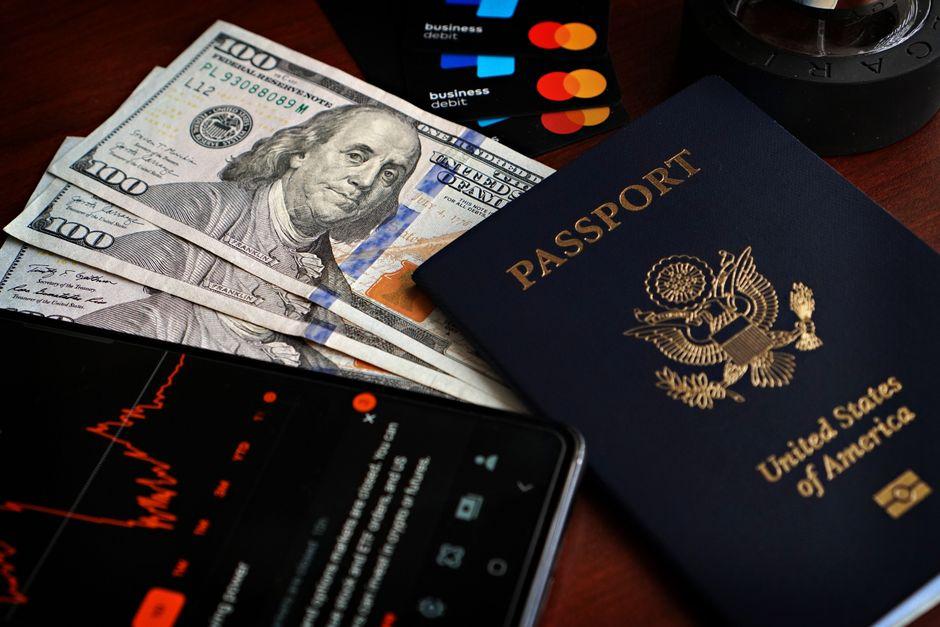
The Hidden Costs Behind the Glamour of Investment Passports
At first glance, investment passports appear as a straightforward exchange: a hefty financial input for a coveted citizenship. Yet beneath this transactional veneer lie hidden costs that often escape cursory consideration. Beyond application fees and due diligence, applicants shoulder risks that are far less tangible but far more consequential. The true expenditure includes exposure to political volatility, as programs hinge on the stability of issuing countries, which may abruptly alter policies or revoke citizenship. Additionally, there’s an opportunity cost in diverting substantial capital into often illiquid or volatile investment vehicles designed primarily to satisfy bureaucratic criteria rather than market fundamentals. The allure of fast-tracked residency can obfuscate the complexity of integrating into a new socio-economic fabric-where language barriers, cultural dissonance, and limited local networks may erode the presumed benefits.
Making an informed decision demands a sharper lens on the trade-offs that investment passports entail. While indulgent narratives frame these passports as passports to freedom, the reality is nuanced: many such programs tether individuals to a single jurisdiction’s economic whims and diplomatic standing, which can fluctuate unpredictably. Here are key considerations that applicants often overlook:
- Reputational risks-nationalities acquired through investment may carry stigmas, limiting visa-free travel and business opportunities.
- Regulatory scrutiny-heightened global crackdowns on money laundering can complicate or invalidate these schemes retroactively.
- Long-term value-citizenship conferred without robust social integration or economic contribution risks being a hollow asset.
Ultimately, discernment means questioning the premise that citizenship is a commodity. Instead, it should be approached as a multifaceted relationship where power and privilege are balanced by responsibility and adaptive resilience. Only through this prism can investors navigate beyond ephemeral glamour toward truly strategic global mobility.

How Citizenship by Investment Redefines Global Influence More Than Travel Freedom
Citizenship by investment (CBI) transcends the simplistic narrative of “travel freedom,” revealing itself as a strategic lever of global influence and economic positioning rather than just a visa convenience. While many assume the primary allure of CBI resides in borderless mobility, this perspective understates how these programs recalibrate relationships between capital, sovereignty, and soft power. A powerful citizenship passport is less about hopping continents and more about securing access to elite financial ecosystems, preferential tax regimes, and diplomatic clout. In practice, investors aren’t just buying mobility-they’re buying a seat at tables where international policy, economic alliances, and global wealth flows are negotiated and shaped.
However, this power move demands a nuanced understanding of trade-offs. Opting for CBI can blur legal and cultural belonging, raising complex questions about loyalty and influence. For states, it’s a balancing act between attracting foreign capital and safeguarding national identity and security. For individuals, one must discern whether the new citizenship genuinely confers meaningful leverage beyond convenience or functions as a symbolic prestige marker with diminishing returns as regulations tighten globally. In navigating these complexities, consider:
- Strategic alignment: Does the program connect you to regions or markets critical to your long-term ambitions?
- Governance quality: Is the issuing country stable, transparent, and respected on the global stage?
- Regulatory foresight: Are you prepared for evolving international norms that may curb or reshape CBI benefits?
Reject the cliché that passports are mere travel tools; view them instead as dynamic instruments in the chess game of transnational influence.
Beyond Territory Lines A Strategic Game of Wealth and Global Access
Far beyond the simplistic notion of crossing borders more freely, “Passport for Investment” programs operate in a realm where global influence and economic leverage overshadow geographic boundaries. These passports are less about the freedom to travel and more about accessing exclusive economic corridors often restricted to elite investors. The strategic value lies not in the passport’s physical validity, but in the doors it unlocks within transnational trade, financial hubs, and political networks. This shifts the discussion from mobility to power consolidation-where acquiring a new citizenship becomes a calculated move to diversify risk, attract international capital, and leverage preferential trade agreements that might be inaccessible to the average citizen. Yet, the true agency of these programs is often exaggerated; the passport alone doesn’t guarantee influence-it’s a key that must be paired with savvy networking and market positioning.
However, the trade-offs are stark and demand clear-eyed scrutiny. Not all “golden passports” offer equal strategic returns; the qualitative differences between programs matter immensely. For instance, some countries extend citizenship with minimal due diligence, risking reputational damage and regulatory backlash for investors, while others enforce stringent economic criteria that ensure stability but reduce accessibility. Investors must weigh:
- Reputational risk: Associating with jurisdictions flagged for lax oversight.
- Market access scope: Which regional blocs or financial centers the passport permits entry to.
- Regulatory sustainability: The likelihood of program reforms that may alter benefits.
Consider this comparative snapshot of select programs:
| Program | Due Diligence Rigor | Visa-Free Access | Economic Network Strength |
|---|---|---|---|
| Country A | High | Moderate (100+ countries) | Strong financial hubs, regional trade deals |
| Country B | Low | Extensive (150+ countries) | Emerging markets, weaker regulatory oversight |
| Country C | Moderate | Limited (90+ countries) | Niche economic sectors, bilateral trade focus |
In essence, successful navigation requires more than purchasing power-it demands strategic foresight into geopolitical currents, regulatory landscapes, and economic realties. Blindly chasing the most open passport risks undervaluing long-term stability and strategic positioning in favor of short-term convenience. The most astute investors recognize that these programs are less about erasing borders and more about architecting new forms of global capital influence.
Rethinking Mobility Solutions Smarter Alternatives to Buying Citizenship
Buying citizenship as a mobility strategy is often sold as the ultimate shortcut to global freedom-but this narrative oversimplifies a complex web of geopolitical, economic, and social dynamics. Smarter mobility solutions don’t hinge on outright ownership of passport privileges; they prioritize flexibility, sustainability, and genuine access rather than transactional luxury. For instance, long-term residency programs, strategic business visas, or sector-specific permits offer more realistic and adaptable alternatives without the hefty price tags and ethical ambiguities tied to citizenship-for-investment schemes. These options not only cater to practical needs-like employment rights and social integration-but also reduce exposure to shifting political winds, which can render purchased statuses precarious or meaningless overnight.
To navigate the trade-offs effectively, aspirants must evaluate mobility through these nuanced lenses:
- Cost vs. Permanence: Is a lifetime legal right to return worth the initial splashy investment, or would incremental residency build a more secure future?
- Access vs. Authenticity: Does the program facilitate meaningful ties and participation, or is it a mere transactional veneer with limited local engagement?
- Risk vs. Reward: How stable is the issuing country’s political regime, and could sanctions, policy reversals, or international pressures undermine the passport’s value?
| Alternative | Pros | Cons |
|---|---|---|
| Long-term Residency | Builds legal, social, and economic ties; often renewables | Slower path to citizenship; less immediate travel freedom |
| Business Visas | Promotes genuine economic activity; flexible renewals | Limited personal mobility rights; dependent on sustained investment |
| Digital Nomad Permits | Ideal for mobile professionals; relatively affordable | No path to citizenship; often excludes family members |
In sum, rethinking mobility means interrogating the real goals behind crossing borders: is it about power projection or personal empowerment? The smartest moves avoid conflating identity with utility, and instead weave together diverse solutions customized to specific lifestyles and risk appetites, crafting resilience over convenience.
The Unequal Power Dynamics Fueled by Passport-for-Investment Schemes
Passport-for-investment programs, often lauded as gateways to global mobility, are in reality levered instruments of entrenched inequalities that reveal more about who wields economic power than who deserves freedom of movement. Contrary to idealistic views framing citizenship as a universal right, these schemes commodify national identity, effectively placing it on auction blocks accessible only to the ultra-wealthy. This transactional nature amplifies unequal power dynamics by reinforcing a system where political and economic privileges are not earned through societal contribution or integration, but simply bought. The transactional citizenship model thus perpetuates a two-tier global order: one where financial capital dictates access, and another vast majority remains restricted – bound by geographic, social, or political limitations that money alone cannot dissolve.
This stratification invites complex trade-offs and puts policymakers in a precarious position. While these programs can offer economic lifelines to smaller or economically vulnerable states, they risk diluting the integrity of citizenship and eroding social cohesion. To navigate these tensions, governments should adopt a more nuanced approach by embedding rigorous due diligence, sustained residency requirements, and transparent impact assessments rather than commodifying passports as mere financial products. Recognizing that passports are not just travel documents but symbols of national identity and trust, reform must focus on safeguarding the social contract. Only by balancing economic incentives with civic responsibility and ethical governance can states avoid reducing sovereignty to a transactional commodity, thereby resisting the emerging norm where citizenship is less about belonging and more about buying influence.
The Conclusion
In the end, “Passport for Investment” programs reveal far more than a mere crossing of borders-they symbolize the shifting contours of global influence and privilege. Behind the veneer of convenience and opportunity lies a strategic game where wealth becomes a passport not just to new countries, but to expanded spheres of power. As these programs evolve, they challenge traditional notions of citizenship and sovereignty, inviting us to reconsider what it truly means to belong in an interconnected world. Ultimately, they remind us that in today’s geopolitical landscape, passports are less about where you’re from and more about what you can leverage.