
In an increasingly interconnected world, the concept of nationality is evolving beyond traditional borders and singular identities. Multi nationality—holding citizenship in more than one country—has become a phenomenon that not only reflects personal histories and opportunities but also reshapes the way we view belonging and community on a global scale. This article embarks on a journey to unravel the intricate tapestry of multi nationality, exploring its unique benefits, the challenges it presents, and the profound ways it influences our collective global identity. Whether born into it or embracing it by choice, multi nationality offers a compelling lens through which to understand the complexities of belonging in the 21st century.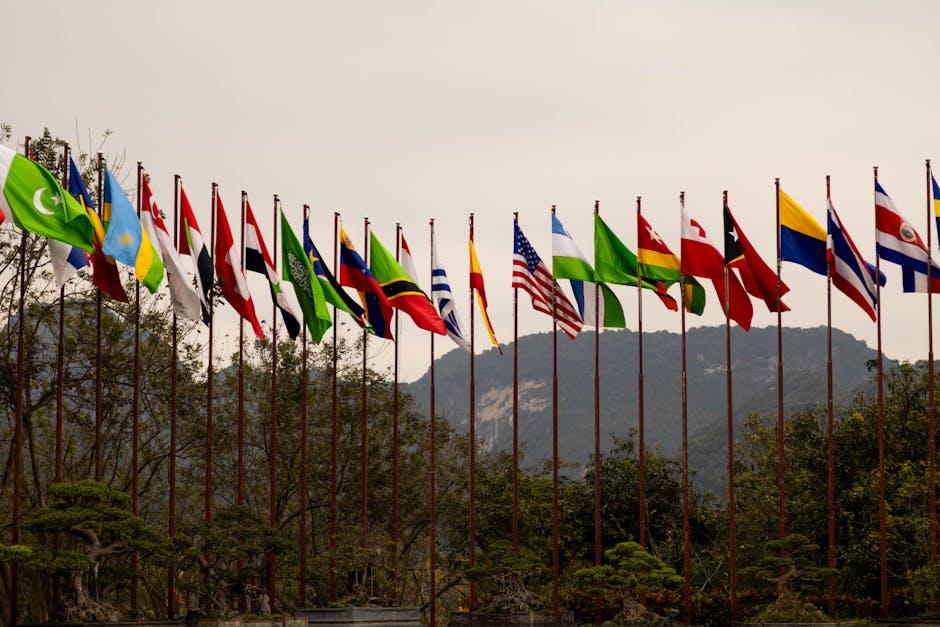
Exploring the Essence of Multi Nationality and Its Role in Modern Society
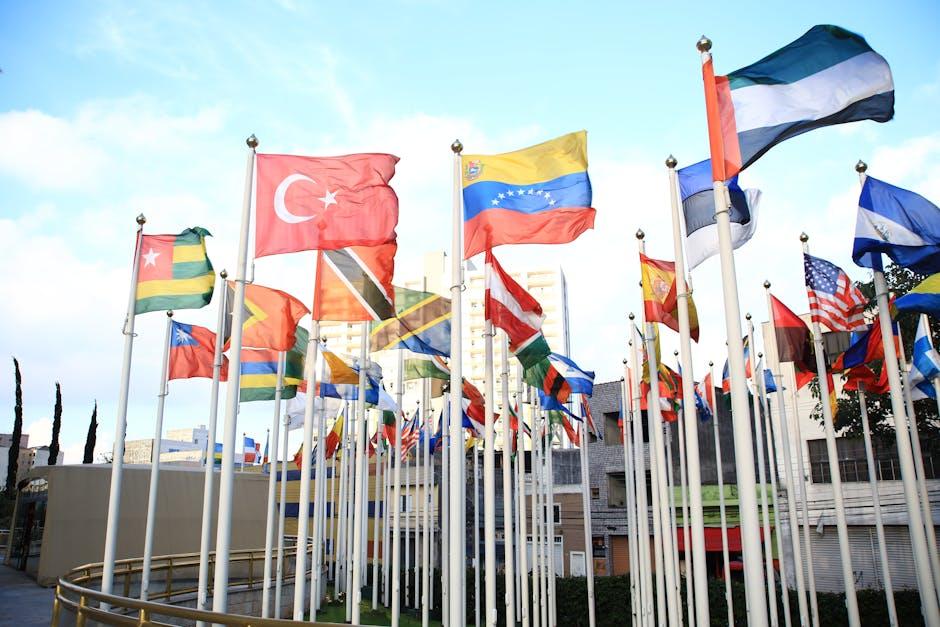
At its core, multi nationality refers to an individual holding legal citizenship in two or more countries simultaneously. This status extends beyond mere legal recognition; it embodies a blend of cultural identities, social experiences, and legal rights across borders. Multi nationality fundamentally reshapes how people perceive belonging, loyalty, and legal obligations in a globalized world. Unlike dual citizenship, which generally applies to two countries, multi nationality can encompass multiple legal allegiances, each with its own set of privileges and responsibilities, such as voting rights, tax obligations, and access to social services. This multifaceted status often empowers individuals to navigate international opportunities more fluidly, from employment and education to travel and property ownership, effectively transforming personal identity into a global tapestry.
However, while multi nationality offers significant benefits, it also presents challenges that individuals and societies must address. Among the primary concerns are conflicting legal requirements, such as compulsory military service in one country versus exemption in another, or discrepancies in tax systems that can complicate financial planning. Additionally, questions of national loyalty and political participation can become complex when multiple countries claim allegiance from the same individual. To navigate these challenges, it’s advisable for multi nationals to proactively understand each country’s laws and maintain clear communication with relevant consulates or legal advisors. Here’s a snapshot comparison of some key practical aspects:
| Aspect | Benefits | Challenges |
|---|---|---|
| Travel | Easier visa access and border crossings | Conflicting passport use protocols |
| Legal Rights | Multiple social and economic benefits | Potential double taxation or legal conflicts |
| Political Rights | Voting and political engagement in multiple countries | Complex loyalties and dual obligations |
- Recommendation: Conduct thorough research on each nationality’s specific duties and rights to avoid unforeseen legal complications.
- Insight: Embracing multi nationality can enrich global identity, promoting cross-cultural understanding and economic mobility when managed with awareness and strategic planning.
The Advantages of Holding Multiple Nationalities and How They Impact Everyday Life
Holding multiple nationalities, often known as dual or multiple citizenship, provides tangible advantages that significantly influence everyday life. One major benefit is expanded travel freedom—passport holders can enjoy visa-free or visa-on-arrival access to more countries, reducing the bureaucratic hassle and costs associated with international travel. This privilege enhances personal, educational, and professional opportunities, allowing individuals to cross borders with ease for work, study, or leisure. Additionally, multiple nationality often grants access to diverse social services such as healthcare, education, and welfare systems across different countries, which can translate into better quality of life and financial security. For example, a multi-national citizen may attend university in one country at domestic rates while benefiting from healthcare programs in another.
However, managing multiple nationalities also entails navigating complex legal landscapes, including tax obligations and civic duties, which can vary widely depending on the countries involved. While the benefits are substantial, individuals should keep in mind some common challenges such as possible compulsory military service, divergent legal systems, or conflicts in allegiance. To understand how specific rights and responsibilities apply, consulting legal or immigration experts is advisable. Below is a comparison table highlighting some typical impacts of holding single versus multiple nationalities:
| Aspect | Single Nationality | Multiple Nationalities |
|---|---|---|
| Travel Flexibility | Limited to passport of one country | Access to multiple passports, greater visa-free access |
| Legal Obligations | Obligations in one country only | Potential obligations (taxes, military service) in multiple countries |
| Social Benefits | Access only to native country’s services | Access to multiple countries’ social and public welfare systems |
| Identity and Belonging | Rooted in one national identity | Enhanced cultural identity with diverse influences |
Navigating the Complex Challenges That Come with Dual or Multiple Citizenship
Managing dual or multiple citizenship involves navigating a labyrinth of legal, financial, and social challenges that aren’t always apparent at first glance. Legal obligations, for instance, can vary significantly between countries—citizens may be required to pay taxes, serve in the military, or comply with differing civic duties in each nation. This can lead to complicated situations such as double taxation or conflicting legal requirements. Similarly, travel restrictions, like visa requirements or political tensions between countries, can affect mobility for multi nationals. Awareness and thorough research are essential; consulting with immigration attorneys or tax advisors who specialize in multinational issues can help mitigate these challenges by providing tailored guidance and keeping you compliant with each country’s laws.
Beyond legalities, cultural identity and bureaucratic complexities also play crucial roles. Dual or multiple citizenship may enrich your global identity but can also create a sense of divided loyalty or social confusion, especially for families balancing different cultural expectations. On a practical note, managing documentation—including passports, national ID cards, and residency permits—requires careful organization to avoid complications at borders or during official procedures. To stay on top of these issues, consider:
- Regularly updating travel documents according to expiration and immigration policies.
- Maintaining clear records of tax filings and obligations in each country.
- Tracking and understanding any military or civic duties required by your nations of citizenship.
| Concern | Potential Issue | Recommended Action |
|---|---|---|
| Taxation | Double taxation in multiple countries | Consult cross-border tax professionals |
| Military Duty | Mandatory service conflicting between nations | Clarify obligations through embassies or legal experts |
| Travel & Mobility | Visa or entry restrictions due to geopolitical issues | Stay informed on diplomatic relations and visa policies |
Common Myths About Multi Nationality Debunked for a Clearer Understanding
Myth 1: Holding multiple nationalities automatically complicates legal obligations. Many believe that dual or multiple nationality leads to overwhelming legal complexities, such as double taxation or mandatory military service. While it’s true that some countries have specific requirements, these challenges are not universal and often depend on the nations involved. For instance, some countries have tax treaties to prevent double taxation, and military duties are typically based on residency rather than nationality alone. Understanding these nuances is crucial—being informed about your rights and responsibilities in each country can help you navigate any potential legal issues efficiently.
Myth 2: Multi nationality dilutes personal or national identity. Contrary to the assumption that multiple citizenships cause divided loyalties or cultural confusion, many individuals report that their diverse background enriches their sense of self and global belonging. Having multi nationality can foster broader perspectives and deeper appreciation for multiple cultures rather than weaken identity. This dual or multi-faceted identity often enhances personal growth, adaptability, and open-mindedness, making it a unique asset in today’s interconnected world. In fact, embracing multiple nationalities can serve as a bridge between cultures, promoting understanding and tolerance on a global scale.
| Common Myth | Reality |
|---|---|
| Multi nationality always leads to double taxation | Many countries have tax agreements preventing double taxation; each case depends on tax laws and residency. |
| You must serve in the military of all your countries | Military obligations vary and often depend on residency, not just citizenship. |
| Multi nationality creates divided loyalties | It often strengthens cultural understanding and promotes global identity. |
Guidance for Choosing Citizenship Options in a Globalized World
When navigating citizenship options in today’s interconnected world, it’s essential to understand that multinationality goes beyond merely holding multiple passports—it reflects a complex interplay of legal, cultural, and practical factors. Before pursuing dual or multiple citizenships, evaluate the legal frameworks of the countries involved, including their stance on dual nationality, residency requirements, and potential tax obligations. For instance, some nations prohibit dual citizenship outright, while others may demand vigilance on military service duties or relinquishing prior citizenships. Weighing these factors against your personal and professional goals will clarify which options offer tangible benefits, such as increased global mobility, broader employment opportunities, or family reunification prospects.
- Legal Restrictions: Verify if the country allows dual or multiple citizenship to avoid unintended loss of status.
- Tax Implications: Understand the tax filing requirements for citizens living abroad, which can lead to double taxation without proper planning.
- Consular Protection: Consider the strength and reach of consular support, critical for safety during international travel or emergencies.
| Citizenship Option | Key Benefits | Potential Challenges |
|---|---|---|
| Single Citizenship | Simpler legal compliance, fewer tax issues | Limited travel and work flexibility |
| Dual Citizenship | Enhanced global mobility, multiple passport options | Complicated legal responsibilities, potential conflicts |
| Multiple Citizenship | Broader international rights and cultural integration | Complex legal and tax planning, higher administrative burden |
To make a well-informed decision, prioritize how each citizenship aligns with your lifestyle and long-term aspirations—whether it’s ease of travel, educational access, or economic opportunities. Consulting with immigration experts or legal advisors can also illuminate less obvious factors, such as inheritance laws or voting rights, that impact your identity and responsibilities in a globalized context. Ultimately, the right citizenship strategy is one that harmonizes with your evolving sense of belonging while leveraging the advantages that multinationality uniquely provides.
In Retrospect
In a world where borders blur and identities intertwine, multinationality offers a unique lens through which to view our shared human experience. Its benefits illuminate new paths of cultural exchange and opportunity, while its challenges remind us of the complexities embedded in belonging to multiple worlds. Ultimately, understanding multinationality is more than an academic exercise—it is a journey toward embracing a richer, more nuanced global identity, one that reflects the vibrant mosaic of our interconnected lives. As we navigate these evolving terrains, the dialogue between our diverse selves continues to shape not only who we are, but also the world we collectively inhabit.




