
Imagine holding two keys that open doors to different worlds—each offering unique opportunities, responsibilities, and connections. Having dual citizenship is much like possessing these keys, granting an individual access to the rights and privileges of two nations simultaneously. But beyond the apparent benefits, this status also brings its own set of complexities and legal nuances that can shape one’s identity, obligations, and freedom. In this article, we will explore what it truly means to have two citizenships, diving into the advantages it offers, the challenges it poses, and the legal insights essential for navigating this multifaceted status.
Understanding Dual Citizenship and How It Affects Your Identity
Dual citizenship, also known as dual nationality, means legally belonging to two countries at the same time. This status can impact your personal identity in profound ways, blending cultural, legal, and social dimensions from both nations. People with dual citizenship often experience an enriched sense of belonging, as they can draw on traditions, languages, and values from two distinct cultures. However, this dual identity can also lead to complex feelings of divided loyalty or the challenge of navigating contrasting societal expectations. Understanding how dual citizenship shapes your identity helps you appreciate its unique nature beyond legal benefits, highlighting the personal and cultural integration it fosters.
Practically, dual citizenship affects daily life through legal rights and responsibilities. For example, as a dual citizen, you may enjoy:
- Access to multiple social services: benefit from healthcare, education, and social security systems in both countries.
- Travel flexibility: possess passports from two nations, easing international mobility.
- Voting rights: participate in elections and political processes in each country, impacting your civic identity.
Yet, challenges also arise:
- Tax obligations: some dual citizens must file taxes in both countries, requiring careful financial planning.
- Military service requirements: commitments to compulsory service may apply depending on national laws.
- Legal conflicts: discrepancies between two countries’ laws can create confusing scenarios, especially concerning inheritance, criminal jurisdiction, or child custody.
Below is a concise comparison demonstrating key identity-related impacts:
| Aspect | Single Citizenship | Dual Citizenship |
|---|---|---|
| Cultural Connection | One nation’s traditions and identity | Blended cultural identities and perspectives |
| Civic Participation | Voting and civic duties in one country | Engagement in political systems of two countries |
| Legal Complexities | Single set of laws to follow | Potential for conflicting legal obligations |
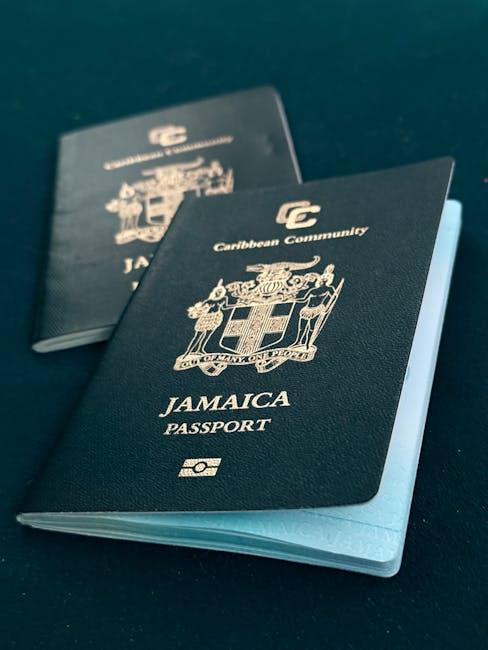
The Advantages and Real-Life Benefits of Holding Two Passports
- Travel Freedom: Avoids visa applications and allows extended stays
- Employment Opportunities: Work legally without foreign worker restrictions
- Property Ownership: Enables easier investment and ownership rights
- Social and Political Rights: Voting and access to public services in both countries
| Benefit | Impact |
|---|---|
| Dual Voting Rights | Influence political decisions in both countries |
| Consular Protection | Assistance from either country’s embassy abroad |
| Economic Flexibility | Access to banking, investments, and employment without barriers |
The real-life benefits of holding two passports also extend to financial and educational flexibility. Dual citizens often enjoy more favorable tax treatments and can strategically optimize their tax liabilities based on the regulations of each country. Moreover, they may qualify for in-state or domestic tuition rates in both nations, opening doors to more affordable and diverse educational opportunities for themselves and their families. In emergency situations, dual citizenship can act as a safety net, allowing quicker evacuation or relocation options. However, it’s important to remain aware of each country’s specific laws on dual citizenship to avoid potential conflicts, such as compulsory military service or tax obligations. Consulting with legal experts can help maximize advantages while remaining compliant with both countries’ legal frameworks.
Common Challenges and Legal Complexities of Dual Nationality
Dual nationality often brings rewarding opportunities, but it also introduces complex legal and practical challenges that individuals must navigate. One primary obstacle is the potential for conflicting obligations, such as double taxation or military service requirements. For instance, some countries impose compulsory military service on their citizens regardless of where they live, which can create legal dilemmas if a dual national resides in a country without such mandates. Additionally, managing tax responsibilities can be tricky since dual citizens might be required to file taxes in both countries, depending on their tax treaties and local laws. Immigration rules also vary widely, with some nations restricting the rights of dual nationals, especially regarding holding public office or working in certain security-sensitive areas.
Another critical complexity involves legal rights and protections, which can differ significantly between countries of citizenship. Dual nationals must understand that the protections they enjoy in one country might not automatically extend to the other, especially in issues like consular assistance overseas. Furthermore, some countries do not formally recognize dual citizenship, which can lead to loss of nationality or difficulties in acquiring passports.
- Legal recognition: Not all countries permit dual citizenship, potentially leading to revocation of one citizenship.
- Passport use: Travelers must use the correct passport when entering or leaving each country to avoid legal trouble.
- Conflicting laws: Criminal and civil obligations may differ, creating scenarios where actions legal in one country are penalized in another.
Being informed and seeking professional legal advice can significantly reduce risks and ensure that dual nationality remains a beneficial status rather than a source of complications.
How to Decide If Dual Citizenship Is the Right Choice for You
Deciding if dual citizenship is the right choice involves weighing your personal, professional, and legal circumstances against the benefits and potential complexities involved. Start by considering your long-term goals: Are you seeking greater travel freedom, access to social services, or the ability to work across borders without visa restrictions? Dual citizenship often offers advantages such as voting rights in two countries, educational opportunities, and increased business flexibility. However, it’s crucial to research each country’s stance on dual citizenship, as some nations may impose restrictions or require you to renounce one citizenship upon acquiring another. Additionally, consider tax obligations, as maintaining two citizenships might mean dealing with dual tax filings or complex tax treaties.
Next, examine common legal and practical challenges before deciding. Dual citizenship can create issues like compulsory military service, conflicting legal systems, or difficulties in inheritance laws. Assess how these factors align with your lifestyle and responsibilities. To simplify this decision, here’s a quick comparison of key aspects to evaluate:
| Factor | Benefits | Potential Challenges |
|---|---|---|
| Travel | Access to more countries visa-free | Possible scrutiny at borders |
| Legal Rights | Work and vote in both countries | Dual legal obligations, conflicting laws |
| Taxes | Potential access to tax benefits | Complicated tax filings, possible double taxation |
| Military Service | N/A | Obligatory service in one or both countries |
| Social Services | Access to healthcare, education benefits in both | Meeting residency requirements |
- Review the policies: Check official government sites or consult immigration experts to understand rules specific to your countries.
- Evaluate your commitments: Think about how dual responsibilities may impact your legal, financial, and personal life.
- Consider alternatives: Sometimes permanent residency or long-term visas offer similar benefits without full dual citizenship complexities.
By carefully analyzing these factors and aligning them with your priorities, you can make an informed choice about whether holding two citizenships will support your lifestyle and goals effectively.
Clearing Up Myths and Important Considerations Around Dual Citizenship
Clearing up common myths around dual citizenship is crucial for anyone considering or currently holding two nationalities. One widespread misconception is that dual citizens are exempt from all obligations in either country. In reality, responsibilities such as taxes, military service, or legal duties may apply in one or both countries, depending on respective laws. Another myth is that dual citizenship automatically grants unlimited rights; however, certain restrictions can exist, such as limits on employment within government roles or eligibility for public benefits. Also, some fear that holding two passports complicates travel, yet in many cases, dual citizenship can simplify international mobility by reducing visa requirements. Understanding these nuances helps clarify what dual citizenship truly entails beyond popular assumptions.
Important considerations include legal conflicts that might arise between two countries’ laws. For example, when countries do not recognize dual citizenship, individuals may be forced to choose one nationality upon acquiring another. It’s essential to check the specific policies of each nation involved to avoid unintentional loss of citizenship. Additionally, issues like taxation can become complex, given that some countries tax based on citizenship regardless of residence, potentially necessitating careful financial and legal planning. To navigate these challenges effectively:
- Research both countries’ stances on dual citizenship before applying.
- Consult with legal experts specializing in immigration and international law.
- Maintain awareness of mandatory obligations (tax filings, military service).
- Keep updated on laws as citizenship regulations can evolve over time.
| Aspect | Potential Impact | Recommended Action |
|---|---|---|
| Legal Recognition | May require renouncing one citizenship | Verify both countries’ policies |
| Tax Obligations | Possible double taxation or complex reporting | Engage a tax advisor specializing in international law |
| Travel & Passports | Use the passport that eases entry or complies with each country’s requirements | Keep both passports valid and understand entry rules |
| Military Service | May be mandatory in one or both countries | Investigate conscription laws and exemptions |
In Retrospect
In the complex tapestry of global identity, holding two citizenships weaves together unique threads of opportunity and obligation. It offers the freedom to navigate multiple worlds, unlocking benefits that stretch from enhanced travel ease to expanded career prospects. Yet, it also presents a landscape dotted with legal intricacies and personal challenges that demand careful consideration. Understanding the full spectrum—from rights and responsibilities to potential pitfalls—is essential for anyone embracing this dual status. Ultimately, two citizenships are more than just a legal designation; they are a gateway to a richer, more interconnected life, inviting us to rethink what it truly means to belong in an increasingly globalized world.




