
In an increasingly interconnected world, the notion of identity is evolving beyond borders. Multi-nationality—holding citizenship in more than one country—is no longer an exception but a growing reality for many. Whether shaped by family heritage, career opportunities, or personal choice, navigating the complexities of dual or multiple citizenships opens doors to unique benefits as well as intricate legal terrain. This article explores what multi-nationality truly means, highlights its advantages, and offers guidance on understanding and managing the diverse laws surrounding dual citizenship, empowering you to make informed decisions in a globalized era.
Exploring the Concept of Multi-Nationality Beyond Borders
Multi-nationality extends beyond the traditional notion of holding passports from two countries, offering a broader perspective where identity, legal rights, and cultural ties cross geographic boundaries. Unlike dual citizenship, which formally recognizes an individual as a citizen in two nations, multi-nationality can encompass various forms such as limited citizenship rights, permanent residency with extended privileges, or ethnonational affiliations acknowledged by certain states. Recognizing this nuance helps individuals understand that multi-nationality is not a one-size-fits-all status—it can vary widely based on specific national laws, bilateral treaties, and international agreements. For example, some countries allow multiple citizenships but restrict certain political rights or military obligations, while others impose stringent naturalization requirements that can limit true multi-national status.
The benefits of multi-nationality go beyond travel convenience and include economic, social, and legal advantages. Access to broader employment markets, educational opportunities, healthcare systems, and social welfare benefits often come with holding nationality from multiple countries. However, navigating the complexities requires awareness of potential challenges, such as tax liabilities, differing legal responsibilities, or conflicts of allegiance. When comparing multi-nationality structures, it is crucial to consider:
- Legal Recognition: Which countries formally recognize multiple citizenships and under what conditions?
- Rights and Duties: How do military service, voting rights, or conscription laws apply for multi-national individuals?
- Tax Implications: Are you subject to double taxation or required to report foreign assets?
- Risk Management: What are the risks of losing national status upon acquiring another citizenship?
| Aspect | Dual Citizenship | Multi-Nationality (Broader Concept) |
|---|---|---|
| Definition | Formal citizenship in two countries | Includes multiple citizenships, residencies, and cultural-national ties |
| Legal Status | Legally recognized by both countries | Varies depending on treaties, agreements, and domestic laws |
| Rights | Full political, social, and economic rights in both countries | May be limited or conditional |
For those exploring multi-nationality, a careful evaluation of your objectives and constraints is vital. Consulting legal experts and immigration authorities can clarify personal eligibility and risks, ensuring well-informed decisions. The evolving geopolitical landscape means multi-nationality will continue to shift in complexity and scope, highlighting the importance of staying updated on relevant laws and international policies.
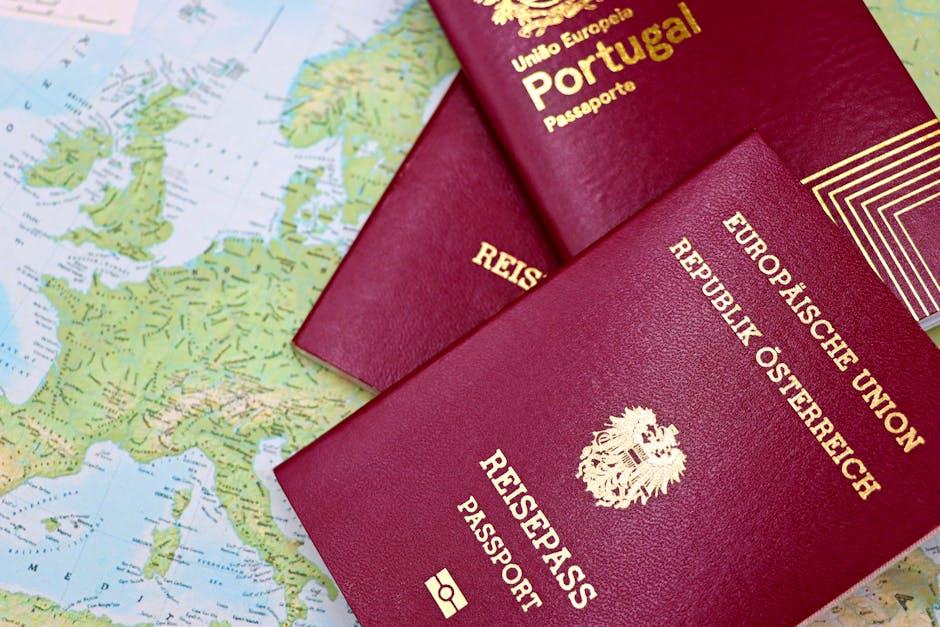
The Advantages of Holding Multiple Citizenship in Today’s World
Holding multiple citizenships, also known as multi-nationality, offers several tangible advantages in today’s increasingly interconnected world. One of the primary benefits is enhanced global mobility: dual or multiple citizens can travel with greater ease, often enjoying visa-free or simplified entry processes across numerous countries. This flexibility supports international business, education, and leisure, making it simpler to live, work, or study abroad without facing restrictive immigration barriers. Additionally, multiple citizenships can provide access to a broader range of social services, healthcare systems, property rights, and employment opportunities that might otherwise be off-limits to foreigners.
Beyond practical access, multiple citizenship can also serve as a powerful tool for financial planning and security. For instance, individuals can diversify their tax obligations, optimize estate planning, or potentially benefit from favorable economic policies in one country versus another. However, navigating these benefits requires a clear understanding of each nation’s laws regarding dual citizenship, tax treaties, and military service requirements. The following table encapsulates key advantages against common considerations to keep in mind:
| Advantage | Practical Benefit | Consideration |
|---|---|---|
| Travel Freedom | Visa-free access to multiple countries | Some countries restrict dual nationals’ entry or require passports from a particular citizenship |
| Work & Residency Rights | Unrestricted ability to live and work in multiple countries | May involve compliance with different employment laws or social security systems |
| Access to Services | Healthcare, education, and social benefits in multiple nations | Eligibility varies, and benefits might be taxed or conditional |
| Financial & Tax Planning | Possibility to leverage tax treaties and diversify assets | Complex tax filings and disclosure requirements for multiple countries |
Challenges and Legal Complexities in Dual Citizenship
Navigating the terrain of dual citizenship brings a unique set of legal challenges and complexities that can vary significantly depending on the countries involved. For many, understanding the legal obligations related to taxes, military service, and diplomatic protection is essential. For example, dual citizens may be required to file tax returns in both countries or fulfill conscription requirements if those laws apply. Furthermore, some nations may not recognize dual citizenship at all, leading to potential loss of citizenship or legal disputes over nationality status. It’s crucial to consult the specific dual citizenship laws of each country involved, as regulations around voting rights, property ownership, and employment eligibility can differ widely.
To grasp the practical implications, consider how countries treat dual nationality in areas like travel or legal penalties. The table below highlights some common challenges faced by dual citizens:
| Challenge | Description | Recommended Action |
|---|---|---|
| Tax Filing Obligations | Potential requirement to submit income tax returns in multiple jurisdictions | Consult tax experts familiar with international law to optimize compliance |
| Military Service | Possible conscription in one or both countries | Understand and disclose status before formalizing citizenship |
| Conflicting Legal Protections | Ambiguity in diplomatic protection when abroad | Keep clear documentation and understand embassy policies |
| Loss of Citizenship Risk | Some countries revoke citizenship if dual nationality is acquired | Research laws thoroughly before obtaining second citizenship |
Ultimately, while dual citizenship offers significant benefits like enhanced mobility and access to broader rights, the accompanying legal complexities demand informed decision-making. Engaging with immigration attorneys, legal experts, or government resources will provide tailored guidance, ensuring your multi-national status benefits you rather than complicates your legal standing.
Choosing the Right Path Among Diverse Nationality Laws
Selecting the right pathway among diverse nationality laws requires a clear understanding of each country’s unique criteria for citizenship. Some nations grant nationality based on jus soli (right of the soil), where birth within the country’s territory confers citizenship, while others follow jus sanguinis (right of blood), focusing on descent from a citizen parent. Beyond these fundamental principles, laws vary widely regarding dual or multiple citizenship permissions. Countries like Canada and the United Kingdom embrace dual citizenship, allowing individuals to retain multiple nationalities simultaneously, whereas others, such as Japan or China, may require renouncing previous nationalities. Evaluating these distinctions helps avoid legal pitfalls like unexpected loss of citizenship or difficulties in international travel.
When navigating dual citizenship laws, it’s essential to weigh the practical benefits against potential complications. Holding multiple nationalities can enhance global mobility, access to social services, educational opportunities, and even tax advantages. However, challenges such as mandatory military service, conflicting tax obligations, or limitations on political rights in one of the countries must be considered. To simplify this complex decision, consider the following approach:
- Assess eligibility: Confirm if dual nationality is legally permitted and under what conditions.
- Understand obligations: Identify duties like taxes, conscription, or legal restrictions attached to each nationality.
- Compare benefits: Evaluate advantages such as healthcare access, educational benefits, or voting rights across countries.
- Long-term planning: Consider how future changes in laws might impact your status.
| Country | Dual Citizenship Allowed? | Common Restrictions | Typical Benefits |
|---|---|---|---|
| Canada | Yes | None significant | Extensive social services, easy travel |
| Japan | No | Must renounce other citizenship by age 22 | Strong national identity, economic benefits |
| Germany | Restricted | Typically requires renunciation unless exceptions apply | EU access, economic opportunities |
Approaching your nationality choices with thorough research and legal consultation ensures that your multi-nationality status works to your advantage, rather than becoming a source of undue complexity or conflict.
Clearing Up Common Myths About Being Multi-National
One prevalent myth about multi-nationality is that it automatically grants access to benefits in every country of citizenship without any obligations. In reality, while holding multiple citizenships can offer advantages such as visa-free travel, work rights, and social services, each country’s laws determine the extent of these benefits and responsibilities. For instance, tax obligations may apply in one country but not another, and some nations require compulsory military service regardless of dual status. It’s essential to understand that multi-nationality doesn’t mean a no-strings-attached relationship with each country; rather, it’s a complex legal status where rights and duties vary widely and must be navigated carefully to avoid unintended legal or financial consequences.
Another common misconception is that dual or multiple citizenship is universally accepted or easy to obtain. In truth, many countries restrict or outright prohibit holding more than one nationality, and the process of acquiring or maintaining multi-nationality can be intricate and fraught with restrictions. For example, some countries might revoke citizenship if an individual voluntarily obtains another nationality, while others allow it but require declaration or permission. Below is a quick comparison illustrating such variations:
| Country | Allows Dual Citizenship? | Key Restrictions |
|---|---|---|
| United States | Yes | Must declare allegiance; possible tax obligations in both countries |
| Japan | No (generally) | Requires renouncing other citizenship by age 22 |
| Canada | Yes | No significant restrictions; encourages dual citizenship |
- Recommendation: Always verify the multi-nationality rules of involved countries before applying or claiming dual citizenship.
- Tip: Consult legal experts who specialize in immigration and nationality law to prevent pitfalls and ensure compliance.
To Wrap It Up
In a world that grows ever more interconnected, understanding multi-nationality is not just a matter of legal know-how but a gateway to a richer, more flexible identity. Navigating the intricate web of dual citizenship laws may seem daunting, yet it offers unique advantages—be it cultural enrichment, expanded opportunities, or a broader sense of belonging. As boundaries blur and global ties deepen, embracing multi-nationality invites us to redefine the meaning of home, identity, and community on our own terms. Whether you’re considering this path or simply curious, grasping its complexities empowers you to make informed choices that resonate with your personal journey across borders.




