
In a world increasingly interconnected by travel, work, and culture, the concept of nationality has evolved beyond the simple idea of belonging to just one country. More and more people today hold dual citizenship, navigating the unique space between two nations. But what does having two citizenships truly mean? Is it merely a legal status, or does it carry tangible advantages and unexpected challenges? This article embarks on a thoughtful exploration of dual citizenship-diving into the benefits it offers, the complexities it entails, and the mechanisms through which countries grant this layered identity. Whether driven by family ties, career opportunities, or personal choice, holding two passports unfolds a fascinating story of identity, rights, and responsibilities in our globalized era.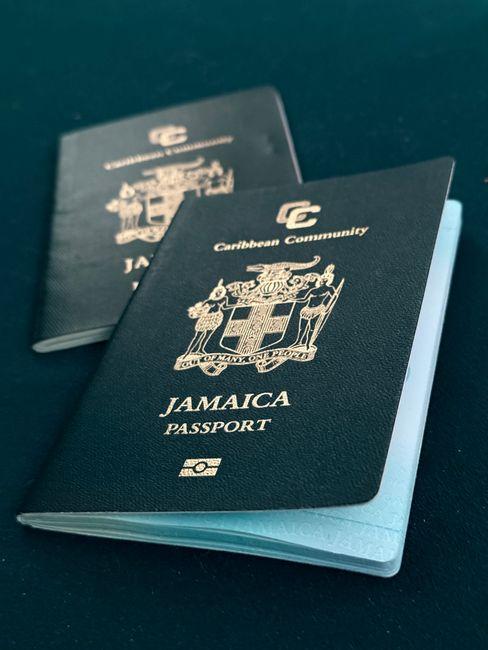
Understanding Dual Citizenship From Rights to Responsibilities
Dual citizenship means holding legal citizenship in two countries simultaneously, granting individuals the ability to enjoy rights and privileges in both nations. These rights commonly include voting, working, and accessing social services, as well as obtaining passports from each country. However, with these benefits come specific responsibilities such as paying taxes, adhering to the laws of both countries, and, in some cases, mandatory military service. Understanding these obligations is crucial before pursuing dual citizenship, as failure to meet them can result in penalties or even loss of citizenship.
Many people wonder how dual citizenship affects everyday life. It often provides more freedom in travel and work but can complicate legal matters like inheritance, taxation, and residency requirements. For instance, dual citizens must be aware of potential conflicts between countries’ legal systems and obligations, including:
- Double taxation issues and available treaties
- Visa requirements for each citizenship
- Military or civic duties in both countries
- Restrictions on public office or government employment
Here’s a simple comparison table to clarify typical distinctions in rights and responsibilities:
| Aspect | Rights as Dual Citizen | Responsibilities as Dual Citizen |
|---|---|---|
| Travel | Use passports from both countries for visa-free access | Follow entry and exit laws of both nations |
| Taxes | Benefit from tax exemptions or treaties | File taxes as required by both governments |
| Political Participation | Vote in elections in both countries | Respect political laws and hold no conflicting offices |

The Advantages and Complications of Holding Two Passports
Holding two passports offers distinct advantages that appeal to global citizens and frequent travelers. Primarily, dual citizenship provides enhanced travel freedom, allowing holders to enjoy visa-free or visa-on-arrival access to a wider range of countries. This reduces bureaucratic hurdles and often expedites entry. Additionally, dual nationals benefit from greater flexibility in work and residency rights, enabling them to live, study, or work legally in both countries without additional permits. Such status can also open doors to diverse social services, healthcare access, property ownership, and investment opportunities, which vary by nation. Furthermore, political and economic stability can be strategically leveraged by switching passports during crises or political unrest, giving holders a valuable safety net.
However, these advantages come with notable complications. Dual citizenship may trigger complex tax obligations, requiring individuals to understand and comply with tax laws in both countries, sometimes leading to double taxation unless relieved by treaties. Legal conflicts can arise, such as mandatory military service in one country or differing requirements for civic duties. Additionally, passport holders might face scrutiny or suspicion during border checks if officials question the legitimacy or intent of holding two nationalities. In some cases, countries do not fully recognize dual citizenship, which can result in the loss of one citizenship under certain circumstances. It’s crucial to weigh these challenges carefully and consult legal expertise before pursuing or maintaining two passports.
| Aspect | Advantages | Complications |
|---|---|---|
| Travel | Expanded visa-free access | Increased scrutiny at border controls |
| Legal Rights | Right to live/work/study in two countries | Possible conflicting obligations (e.g., military service) |
| Financial | Access to banking, property, and investment options | Complex taxation, potential double taxation |
Navigating Legal and Practical Realities of Dual Nationality
Understanding the legal and practical realities of dual nationality is crucial for anyone considering or currently holding two citizenships. Dual nationality means a person is legally recognized as a citizen by two countries simultaneously, each with its own set of rights and obligations. However, laws governing dual citizenship vary significantly worldwide. Some countries allow unrestricted dual citizenship, while others require renouncing prior nationality upon naturalization or impose limitations on political participation, military service, or property ownership. It is essential to verify each country’s rules before pursuing or acting on dual citizenship to avoid unintended legal complications such as loss of citizenship, tax liabilities, or conflicts in consular protection.
Practically, managing two citizenships involves navigating complex responsibilities. Common questions include how to handle taxation, mandatory military service, and travel documentation. For example, dual citizens might need to file taxes in both countries, depending on bilateral agreements or residency status, which can require professional advice to avoid double taxation. Additionally, some countries mandate military service exclusively for their citizens, which may create conflicts for dual nationals. To manage these realities efficiently, consider the following key points:
- Tax compliance: Understand your tax obligations and explore tax treaties that could reduce double taxation.
- Legal recognition: Confirm each country’s acceptance of dual citizenship to prevent loss of rights.
- Military responsibilities: Research any compulsory service laws affecting dual nationals.
- Travel and documentation: Maintain valid passports for both countries and be aware of entry/exit requirements relevant to each nationality.
| Country | Dual Citizenship Allowed? | Key Restrictions |
|---|---|---|
| United States | Yes | Must declare allegiance; complex tax reporting obligations |
| Japan | No (with limited exceptions) | Must choose one nationality by age 22 |
| Germany | Restricted | Generally requires renouncing previous citizenship |
By carefully navigating these legal frameworks and practical considerations, individuals can leverage the advantages of dual citizenship while minimizing risks. When in doubt, consulting an immigration or international law expert ensures informed decisions aligned with personal and legal realities.
Choosing Dual Citizenship: What to Consider Before Taking the Leap
Before choosing dual citizenship, it is essential to understand both the legal and practical implications of holding two nationalities. Dual citizenship means legally being recognized as a citizen by two countries simultaneously, which can offer expanded rights such as the ability to live, work, and travel freely between those nations. However, not all countries permit dual citizenship, and the rules vary widely, often impacting taxes, military obligations, and political rights. Consider the following key factors:
- Eligibility and Documentation: Verify if both countries allow dual citizenship and understand the naturalization or registration process required.
- Legal Responsibilities: Be aware of tax liabilities in both countries and potential compulsory duties such as military service.
- Travel Benefits: Dual citizenship generally simplifies visa requirements and international mobility but check for any travel restrictions tied to either passport.
- Political Rights and Obligations: Holding two citizenships may grant voting rights in both countries or affect eligibility for public office.
- Cultural and Emotional Impact: Consider how dual citizenship may influence your identity, family connections, and sense of belonging.
| Consideration | Dual Citizenship Advantage | Potential Challenge |
|---|---|---|
| Taxation | Access to financial opportunities in both countries | Possible double taxation without tax treaties |
| Travel Freedom | Increased visa-free travel options | Complicated passport management |
| Legal Duties | Rights in both countries | Obligations in both nations, e.g., military service |
To make an informed decision, it is recommended to consult immigration experts or legal professionals who can assess your specific situation. Weighing these considerations against your personal, professional, and financial goals will help you determine if pursuing dual citizenship aligns with your long-term plans and safeguards your interests.
Common Misconceptions About Being a Citizen of Two Countries
- Dual citizenship does not automatically guarantee double benefits. While having two citizenships often provides advantages such as visa-free travel, work rights, and access to social services in both countries, it also comes with responsibilities. For instance, dual citizens may be subject to taxation or mandatory military service in both countries, depending on respective national laws. It’s a common misconception that dual citizenship means enjoying all perks without any obligations, but in reality, obligations like filing taxes or complying with legal requirements can be complex and must be managed carefully.
- Dual citizenship isn’t universally recognized or legally straightforward. Some countries do not allow dual citizenship or place severe restrictions on it, which often surprises individuals who assume they can freely hold two passports. Additionally, being a citizen of two countries doesn’t mean you’ll be treated equally by both governments in all scenarios-certain rights like voting eligibility or government positions might be limited. It’s crucial to understand the specific laws of each country regarding citizenship to avoid unexpected challenges.
| Misconception | Reality |
|---|---|
| Dual citizenship means no tax obligations. | Tax laws vary; some countries tax citizens on worldwide income regardless of residency. |
| Dual citizens can always vote and hold office in both countries. | Voting rights and eligibility for public office depend on each country’s laws and occasionally on residency status. |
| Once you have dual citizenship, neither country can revoke it. | Some countries may revoke citizenship for specific reasons, such as fraud during the citizenship process or serious criminal offenses. |
Future Outlook
In a world that grows more connected by the day, holding two citizenships can be both a bridge and a balancing act-offering doors to diverse opportunities while requiring careful navigation of complex legal and cultural terrains. Whether it means embracing dual identities, unlocking new rights, or managing unexpected responsibilities, understanding what two citizenships truly entail empowers you to make informed decisions about your place in an increasingly global community. As you explore this multifaceted status, remember that citizenship is more than a legal bond; it is a dynamic experience shaped by personal stories, ambitions, and the ever-evolving tapestry of modern life.




