
In an increasingly interconnected world, the concept of citizenship is evolving beyond the traditional boundaries of birthright and heritage. Investment citizenship-where financial commitment opens the door to new national identities-offers a pathway that is as complex as it is compelling. From Caribbean shores to European capitals, these programs present a unique blend of opportunities and obstacles, inviting individuals to rethink notions of belonging, freedom, and global mobility. This article embarks on a journey beyond borders, exploring the multifaceted landscape of investment citizenship, where the promise of economic advantage meets legal nuance, cultural integration, and ethical debate. Join us as we navigate the challenges and rewards that define this modern phenomenon, illuminating its impact on individuals and nations alike.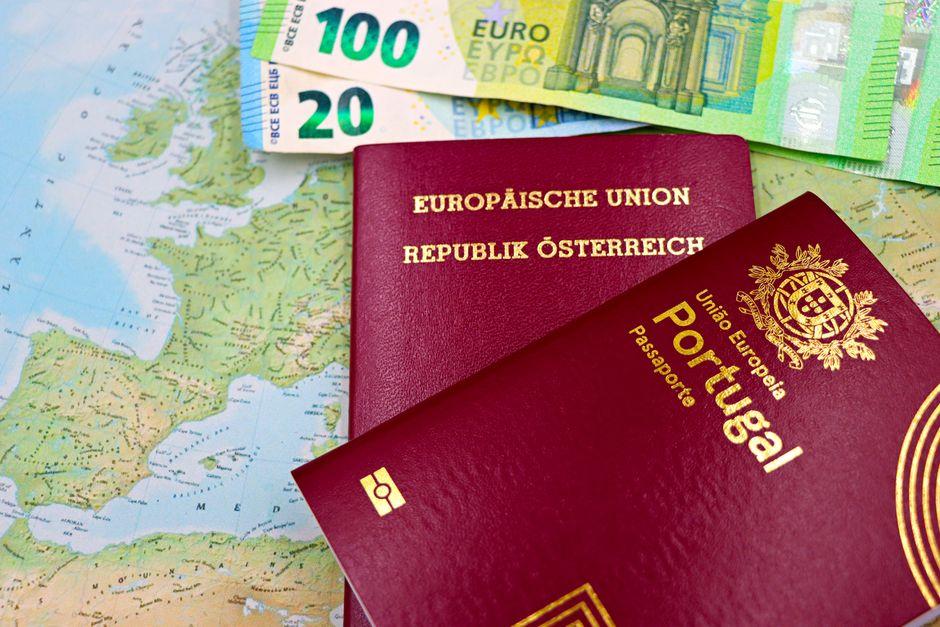
Rethinking Freedom and Opportunity in Global Investment Citizenship
When Maria, a tech entrepreneur from Brazil, first considered investment citizenship, she was drawn by the alluring promise of freedom of movement and new business opportunities abroad. Her vision was linear: invest in a well-regarded program, receive a second passport, and unlock hassle-free global travel alongside an enhanced lifestyle. Yet, the reality soon unfolded with surprising complexity. For Maria, freedom was less about an automatic gateway to any country and more about understanding the nuanced geopolitical relationships her new citizenship entailed. She quickly learned that some countries still imposed strict visa restrictions despite her second passport, challenging her original assumption that a new nationality equates to open borders. This lesson underscored a pivotal decision point: the value of an investment passport isn’t simply in the document itself but in navigating the layers of international diplomacy that shape its real-world power.
Contrast this with Jamal’s experience as a Middle Eastern investor seeking citizenship in a Caribbean nation. His priority was clear – secure a stable, politically neutral residency that would also serve as a safe haven for his family amid regional uncertainties. Jamal’s case revealed the layers of unintended limitations embedded within investment citizenship programs: from due diligence delays that postponed his freedom to relocate, to the fluctuating costs of maintaining the citizenship once granted. His story highlights valuable lessons about managing expectations around opportunity and mobility. When considering such programs, prospective investors often overlook hidden elements like ongoing compliance obligations or how changes in local policy can alter the perceived benefits drastically. The quest for opportunity, therefore, requires a keen eye on the fine print and future-proofing decisions, rather than relying solely on initial promises marketed by citizenship-by-investment schemes.
- Expectation: Instant global access with a second passport.
- Reality: Variable visa requirements and geopolitical nuances.
- Lesson: Freedom is dynamic-affected by diplomacy, not just documentation.
| Investor | Primary Goal | Unexpected Challenges | Key Insight |
|---|---|---|---|
| Maria (Brazil) | Freedom of global travel | Visa restrictions despite citizenship; complex geopolitical ties | Passport power depends on international relations |
| Jamal (Middle East) | Political stability and safe haven | Due diligence delays; ongoing compliance costs | Long-term implications must be evaluated upfront |
Confronting Legal Complexities and Cultural Nuances Abroad
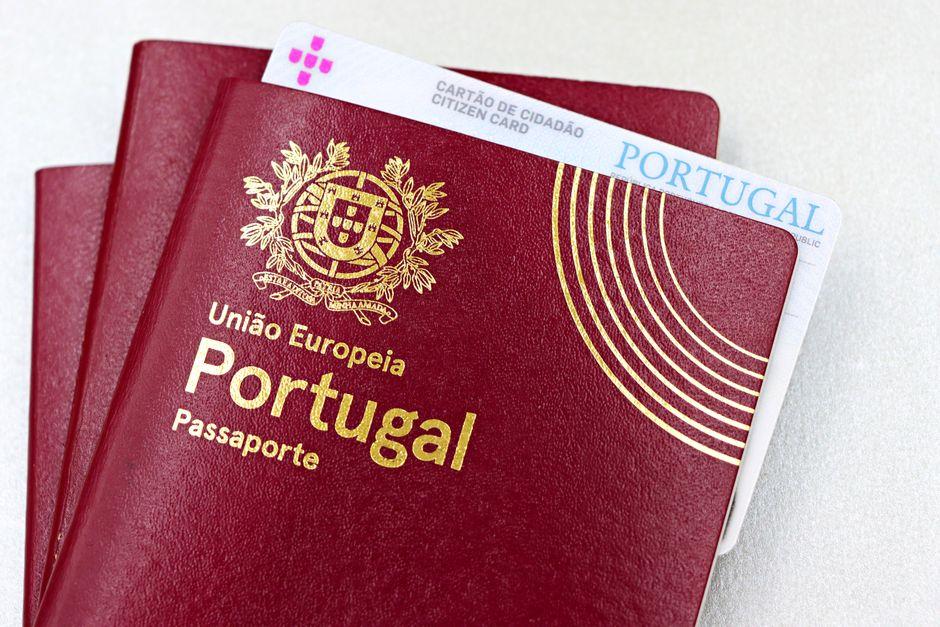
When Maria, a successful entrepreneur from Brazil, decided to pursue investment citizenship in Europe, she was confident that a sizeable financial contribution would smooth the process. However, she quickly discovered that each country’s legal landscape was a labyrinth of distinct regulations, documentation requirements, and bureaucratic timelines. In Portugal, for instance, the rules around real estate investment were clear on paper but less straightforward in practice-specific neighborhoods qualified, but verifying property zoning demands patience and local connections. Maria’s experience underscored a crucial lesson: thorough legal counsel and a nuanced understanding of local laws are indispensable. Many investors initially overlook how cultural nuances-ranging from business etiquette to community integration expectations-can shape the effectiveness of their applications and subsequent residency rights.
Contrast this with Jamal’s journey in the Caribbean, where streamlined citizenship-by-investment programs promise speed and simplicity. While the process was indeed faster, the expectation that an investment alone guarantees smooth citizenship was challenged when he faced unanticipated due diligence checks, influenced by evolving regulatory reforms aimed at curbing fraud. Such shifts highlight the dynamic nature of laws abroad and the importance of flexibility and vigilance. Below is a snapshot of common decision points investors encounter across regions, with their potential impact:
| Decision Point | Common Expectation | Potential Reality |
|---|---|---|
| Type of Investment (Real Estate vs. Fund) | Chosen for ease or ROI | Regulatory complexity varies dramatically – some require extensive background checks on properties/funds |
| Residency Requirements | Minimal physical presence needed | Some countries enforce longer stays or require ties to local communities |
| Legal Support | Basic procedural assistance | Expert, locally versed legal advice often necessary to navigate nuanced rules |
- Due diligence evolution: Be prepared for sudden changes in compliance standards, impacting timelines and investment eligibility.
- Cultural fluency: Understanding social customs can improve engagement with local authorities and communities, aiding smoother integration.
- Legal adaptability: Staying flexible to legal updates can safeguard against unforeseen obstacles or changes in citizenship privileges.
Turning Points in Residency and Citizenship Through Investment
- Expectations vs. Reality: When Maria, a tech entrepreneur from Brazil, embarked on her journey to secure residency through investment in Portugal, she imagined a seamless process-from making a sound property purchase to swiftly obtaining her Golden Visa. However, the reality quickly revealed itself to be more complex. Despite a robust financial commitment, Maria encountered unexpected delays due to evolving government policy and stringent compliance checks. This turning point taught her the value of patience and the crucial role of having local legal advisors well-versed in immigration nuances. Her experience underscores a common lesson: investment citizenship is rarely a one-size-fits-all scenario, impacted heavily by changing regulations and the need for strategic timing.
- Lessons from Contrasting Journeys: Contrast Maria’s experience with that of Liam, a Canadian investor pursuing Caribbean citizenship. Liam’s expectations were more modest, but he ended up benefiting from a notably transparent process, thanks to the ARC program’s streamlined procedures and clear timelines. His decision to leverage a government-authorized agent early on proved pivotal. As opposed to Maria’s drawn-out timeline, Liam’s four-month approval was a testament to how crucial it is to understand each program’s procedural differences and the quality of local support systems. These divergent paths highlight a key lesson for prospective investors: diligent research and choosing the right program tailored to personal circumstances often determine whether the journey feels like an uphill climb or a smooth sail.
| Investor | Country | Investment Type | Timeline | Key Challenge |
|---|---|---|---|---|
| Maria | Portugal | Property Purchase | 12+ months | Regulatory Delays |
| Liam | Caribbean | Donation to Fund | ~4 months | Choosing the Right Agent |
Stories of Success and Setback From Different Corners of the World
- A wealth manager’s client from West Africa once navigated the complex process of acquiring an EU passport through a well-known investment citizenship program. The client expected a swift transition, given the program’s reputation, and was eager to leverage the open borders for business expansions. However, midway, tighter due diligence regulations and shifting political landscapes led to unexpected delays. The decision to proceed despite these warnings underscored a critical lesson: thorough, ongoing research and flexibility are essential. The client ultimately secured citizenship but only after nearly twice the projected timeline, which temporarily affected planned international contracts and partnerships.
- Meanwhile, a tech entrepreneur from Southeast Asia opted for a Caribbean citizenship-by-investment route, attracted by its affordability and relatively simple requirements. The entrepreneur’s initial expectations were met with relative ease, but challenges arose post-citizenship due to the limited economic opportunities and credit access in the new jurisdiction. While the new passport opened doors for global travel, it did not deliver on financial growth prospects as anticipated. This balance between immediate travel freedom and long-term economic integration reinforced the need for aligning investment citizenship choices with broader personal and professional goals-not just the allure of dual nationality.
| Case | Expectation | Result | Key Lesson |
|---|---|---|---|
| West African Client (EU Program) | Fast processing & EU market access | Lengthy delays; achieved citizenship after extended period | Anticipate regulatory shifts and plan contingencies |
| Southeast Asian Entrepreneur (Caribbean Program) | Affordable citizenship & economic benefits | Quick issuance, limited economic returns locally | Align citizenship strategy with long-term goals |
Emerging Trends and Strategic Lessons for Future Investors
- Shifting Regulatory Landscapes: Consider the experience of a Canadian entrepreneur who pursued a Caribbean citizenship-by-investment program expecting swift processing and minimal fuss. Halfway through, new due diligence measures extended the timeline by months, highlighting an important lesson for investors: governments worldwide are tightening security and transparency rules to combat fraud and money laundering. This means that even established programs can face unexpected pauses or stricter eligibility criteria. Future investors need to adopt a dynamic approach-staying informed through trusted advisors and official channels is not optional but essential. Waiting to act until after policy changes can mean missed windows or altered benefits that could significantly impact the return on your investment.
- Balancing Benefits with Cultural and Economic Realities: Another illustrative case involved a tech professional from India who acquired European citizenship through investment, lured by passport-free travel and business opportunities. However, integrating into the local ecosystem required more than capital; understanding cultural nuances, tax implications, and long-term economic conditions proved critical. The anticipated ease of doing business abroad met the reality of complex local regulations and community expectations. The strategic takeaway here is to look beyond the passport itself-evaluating the social, economic, and political environment where the citizenship is granted can define success or frustration. Drawing up a comprehensive plan that goes beyond documentation-incorporating local knowledge, professional networks, and contingency strategies-often distinguishes those who thrive from those who simply hold a second passport in their drawer.
The Conclusion
As the world grows ever more interconnected, the allure of investment citizenship continues to captivate those seeking new horizons and opportunities beyond their native borders. While the journey is dotted with complexities-legal hurdles, cultural nuances, and the constant need for diligence-the potential rewards invite a broader perspective on identity, security, and global belonging. Navigating these uncharted waters requires not only keen insight but also a willingness to embrace change and diversity. Ultimately, investment citizenship is more than a transaction; it is a gateway to a mosaic of possibilities that redefine what it means to be a global citizen in the 21st century.




