
In an increasingly interconnected world, the idea of calling more than one place “home” has gone beyond just a dream for globetrotters, entrepreneurs, and families alike. Citizenship is no longer solely tied to birthplace or ancestry-today, it can also be acquired through investment. Welcome to the fascinating realm of citizenship by investment, where countries open their doors to newcomers willing to contribute financially, and, in exchange, offer the promise of a new passport and the freedoms it entails. This guide will navigate you through where and how you can buy citizenship, revealing which nations offer this unique pathway, the investment routes they require, and the opportunities and considerations that come with such a life-changing decision. Whether you seek greater mobility, business advantages, or a fresh start, understanding the landscape of citizenship by investment is your first step toward a world of possibilities.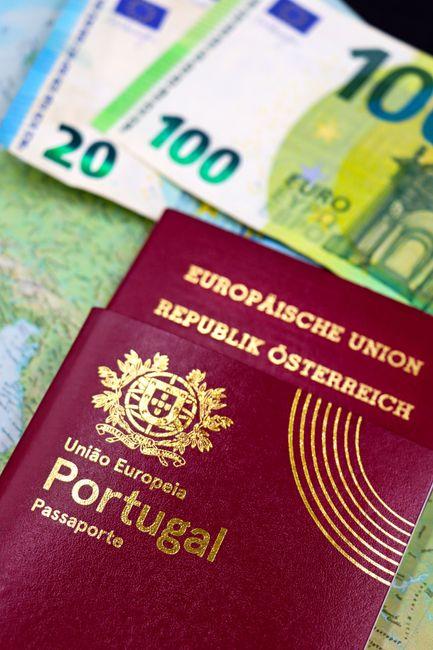
Understanding Citizenship by Investment and What It Means for You
Citizenship by Investment (CBI) is a legal pathway that allows individuals to obtain citizenship in a country by making a significant financial contribution, typically through real estate purchases, government bonds, business investments, or direct donations to a national development fund. It offers a fast-track alternative to traditional naturalization processes, which often require years of residency, language proficiency, and cultural integration. For many high-net-worth individuals and global entrepreneurs, CBI provides a strategic tool to access new passports with visa-free travel benefits, enhanced business opportunities, and stronger personal security. Importantly, the investment amount, processing times, and residency requirements vary across countries, making it crucial to understand each program’s specific criteria before committing.
When considering citizenship by investment, key factors include assessing the benefits versus costs and evaluating potential legal complexities. Common advantages encompass
- visa-free access to numerous countries;
- tax optimization possibilities;
- dual citizenship options;
- and improved quality of life for families.
However, applicants must also be aware of common issues such as stringent due diligence processes, possible restrictions on dual nationality, and evolving global regulations that can impact program stability. Comparing popular destinations-like Malta, St. Kitts and Nevis, Antigua and Barbuda, and Turkey-based on investment thresholds, processing speeds, and citizenship rights can help you identify which program aligns best with your lifestyle and long-term objectives.

Exploring Top Destinations Offering Citizenship Through Investment
Citizenship by investment programs have gained significant global attention, with several countries offering streamlined pathways for investors to obtain citizenship in exchange for financial contributions. Among the most sought-after destinations are Caribbean nations like St. Kitts and Nevis, Antigua and Barbuda, and Dominica, known for their relatively quick processing times and competitive investment thresholds. These countries typically require contributions to a government fund or real estate investments, often starting from around $100,000. Additionally, European countries such as Malta and Cyprus offer citizenship by investment with higher financial requirements but provide benefits including visa-free travel across the EU and enhanced global mobility. The programs often include detailed due diligence procedures to ensure applicants meet strict eligibility criteria, making security and compliance paramount considerations.
When comparing these top destinations, investors commonly weigh factors such as investment amount, processing time, visa-free access, and residency requirements. For instance, while Caribbean programs may offer citizenship within 3-6 months, European programs can take up to 12-24 months but typically come with broader access to global markets and robust business opportunities. Here’s a snapshot comparison of leading citizenship by investment programs:
| Country | Minimum Investment | Processing Time | Visa-Free Access | Residency Requirement |
|---|---|---|---|---|
| St. Kitts & Nevis | $150,000 (donation) | 3-6 months | 157+ countries | None |
| Malta | €600,000 plus investments | 12-24 months | 185+ countries | 12 months |
| Dominica | $100,000 (donation) | 3-4 months | 140+ countries | None |
Ultimately, the choice of destination depends on individual priorities such as the desired speed of naturalization, the economic stability of the country, ease of travel, and the total cost involved. Investors pursuing citizenship through real estate or development projects should also consider market conditions and potential returns. Consulting with legal experts experienced in citizenship by investment can help navigate the complexities, ensuring the chosen pathway aligns with personal and financial goals while complying with evolving international regulations.
Key Advantages and Common Challenges of Buying Citizenship
Key Advantages of buying citizenship through investment programs typically include expedited processing times, global mobility through visa-free travel, and enhanced personal or business opportunities. Investors gain the ability to live, work, and study in the host country or even access other regions like the European Union, depending on the country’s agreements. Additionally, many programs offer favorable tax regimes, family inclusion options, and a secure second passport as a hedge against political or economic instability at home. For example, countries such as Malta or St. Kitts and Nevis provide citizenship within months, making them attractive for those prioritizing speed and flexibility.
Common Challenges often center around high financial requirements, stringent due diligence processes, and legal complexities that can vary widely among countries. Applicants may encounter large minimum investment thresholds, ranging from real estate purchases to government bonds or donations, which can exceed several hundred thousand dollars. Moreover, some nations require residency periods or interviews that slow down the process, requiring careful planning. Risks such as future changes in legislation, potential delays due to incomplete documentation, and reputational concerns about “citizenship selling” policies underline the importance of thorough research and professional advice prior to committing.
| Aspect | Advantages | Challenges |
|---|---|---|
| Processing Time | Fast track options (3-12 months) | Variable by country; some delays |
| Investment Size | Flexible options available in some programs | High minimum financial requirements |
| Mobility & Rights | Access to visa-free travel and work permits | Not all passports offer equal benefits |
How to Choose the Right Citizenship by Investment Program for Your Needs
Choosing the right citizenship by investment program depends heavily on your personal priorities, financial capacity, and lifestyle goals. Begin by evaluating the investment requirements-these often include real estate purchases, government donations, or business ventures-with some countries demanding a higher minimum than others. Consider the processing time too; programs like those in Dominica or Vanuatu can grant citizenship within a few months, while others may take over a year. Additionally, scrutinize the visa-free travel benefits offered, as passport strength varies widely. For instance, Caribbean passports typically grant visa-free access to Schengen countries, while European programs may open doors to broader global mobility and EU residency rights. Finally, assess the family inclusion policies to ensure dependents can be included easily, often a deciding factor for applicants with spouses and children.
Other critical factors include the program’s due diligence standards, which affect your approval chances and the transparency of the process. Countries with rigorous checks, such as Malta or Cyprus, aim to maintain high standards but can be demanding, whereas emerging programs might be faster but carry more risk regarding future policy changes. Evaluate the tax implications as well-some citizenship programs offer tax advantages such as no worldwide income tax or inheritance tax, which could optimize your financial planning. To simplify your decision, use the following comparison table highlighting key aspects of top programs:
| Country | Minimum Investment | Processing Time | Visa-Free Travel | Family Included | Due Diligence Level |
|---|---|---|---|---|---|
| Dominica | $100,000 (Donation) | 3-4 Months | 140+ Countries | Spouse & Children | Standard |
| Malta | €750,000 (Donation + Property) | 12-14 Months | 185+ Countries | Extended Family | Extensive |
| Turkey | $400,000 (Real Estate) | 3-6 Months | 110+ Countries | Spouse & Children | Moderate |
Clearing Up Misconceptions About Citizenship Acquisition Through Investment
Citizenship acquisition through investment is often misunderstood as a straightforward transaction where large sums of money guarantee immediate citizenship with minimal requirements. In reality, this process involves rigorous due diligence, background checks, and legal prerequisites that vary widely between countries. Many programs require applicants to demonstrate clean criminal records, legitimate source of funds, and sometimes residency or language proficiency. It is also important to note that not all countries offer the same level of benefits; some provide full passport privileges including visa-free travel to numerous countries, while others offer more limited access. Applicants should be cautious of overpromised timelines or assurances of anonymity, as transparency and compliance with international laws are increasingly emphasized.
Another common misconception is that citizenship by investment is a way to bypass standard immigration procedures entirely. While these programs do provide an alternative path to citizenship, they are not shortcuts free from legal complexity. Investments usually need to be maintained for a specified period, and applicants often must fulfill procedural steps such as interviews or document verifications. Comparing programs side by side can clarify these nuances:
| Country | Minimum Investment | Processing Time | Residency Requirement |
|---|---|---|---|
| St. Kitts and Nevis | $150,000 donation | 3-6 months | None |
| Portugal | €280,000 real estate | 12-24 months | 7 days per year |
| Malta | €650,000 donation + €150,000 investment | 12-14 months | 12 months residency |
Conclusively, citizenship by investment should be viewed as a legitimate but carefully regulated route to citizenship-not a simple purchase. Before committing, applicants should consult with immigration experts and verify program credibility to avoid scams or legal complications.
Key Takeaways
As the world grows ever more interconnected, the allure of acquiring a second citizenship through investment continues to captivate globetrotters, entrepreneurs, and investors alike. Whether seeking greater mobility, financial opportunities, or a fresh start, the path to citizenship-by-investment offers a unique blend of legal sophistication and personal ambition. While the journey demands careful research and due diligence, the rewards can open doors to new horizons and possibilities. Ultimately, understanding where and how to navigate these options empowers you to make informed decisions-turning the dream of a new citizenship into a tangible reality.




