
In a world where borders often feel like barriers, passport-by-investment programs have emerged as shimmering gateways promising instant freedom. For a hefty price tag, these schemes offer wealthy individuals not just a new nationality but the allure of broader horizons-visa-free travel, business opportunities, and a fresh start. Yet beneath the glossy veneer of convenience and choice lies a more complex narrative. Rather than serving as a simple shortcut to liberation, these programs reveal and reinforce the strategic dynamics of global inequality. By transforming citizenship into a commodity, they underscore how freedom and opportunity remain profoundly tied to wealth, reshaping ideas of belonging and privilege in the twenty-first century.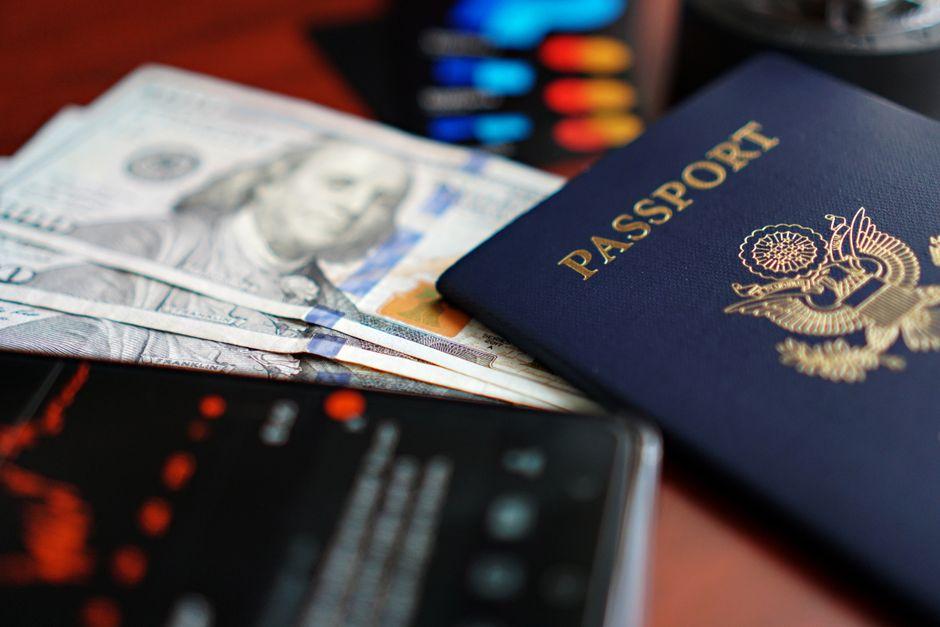
The Illusion of Mobility Millionaire Passports Sell and What They Conceal
Passport-by-investment programs are often marketed as golden tickets to unencumbered global mobility, yet this promise is a carefully constructed illusion. In reality, these “mobility millionaire passports” offer a selective freedom that primarily benefits the economically elite, while masking persistent structural barriers. The perceived mobility boost is usually constrained by geopolitical disconnects: a second passport may grant visa-free access to certain countries but still fall short in key economic or diplomatic hubs. The critical distinction here is between nominal travel convenience and authentic freedom of movement. Many buyers overlook how their newfound passport’s power is tied less to universal access and more to the whims of international politics, bilateral agreements, and evolving security concerns.
When evaluating these programs, it’s essential to weigh the trade-offs between short-term mobility gains and long-term strategic costs. Acquiring citizenship through investment often comes with opaque due diligence standards and limited transparency, generating risks for both buyers and host nations. Moreover, the untold social cost lies in exacerbating global inequality: these passports commodify citizenship, reducing it to a financial transaction that sidesteps meritocratic or civic criteria. A smarter approach demands recognizing that true freedom transcends travel privileges-it includes
- economic participation
- political voice
- social integration
-none of which are guaranteed by a purchased nationality. Instead of chasing an illusory shortcut, prospective investors should critically assess their goals on a spectrum of value beyond the passport’s veneer of mobility.
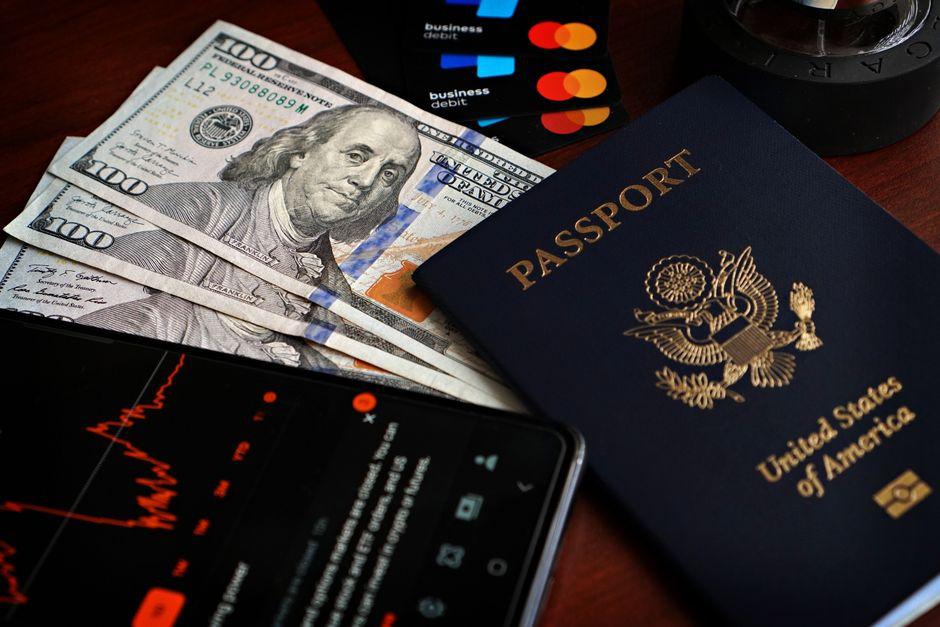
Why Buying Borders Is More About Capitalizing on Inequality Than Gaining Freedom
Contrary to popular narratives framing passport-by-investment (PBI) as a straightforward leap toward personal freedom, the practice is less an emancipation from one’s country and more an exploitation of systemic global inequalities. Acquiring a second citizenship through capital is less about *crossing borders* and more about *leveraging disparities*-economic, political, and social-that differentiate nations on a hierarchy of privilege. This reframes the act from one of individual liberty to a strategic maneuver capitalizing on the uneven accessibility embedded within global mobility regimes. The real “freedom” purchased here is the freedom to sidestep restrictive immigration policies, but it’s a freedom reserved only for the wealthy, highlighting how citizenship is commodified and stratified along wealth lines rather than universally accessible rights.
This perspective demands us to scrutinize the implicit trade-offs within PBI programs: while they offer the appealing myth of borderless existence, they also entrench inequality by systematically privileging affluent actors at the expense of broader populations whose movement remains constrained. In dissecting this, consider the following dimensions where PBI intensifies contrasts rather than erases them:
- Economic leverage vs. social integration: Wealthy investors gain immediate mobility benefits, without necessarily engaging with or contributing to the social fabric of their new country.
- Mobility privilege vs. political legitimacy: Citizenship purchased may circumvent democratic processes, raising questions about the political representation and rights of those who “buy” their belonging.
- Selective openness vs. global exclusion: Countries open PBI to attract capital, while maintaining restrictive immigration policies for non-elite migrants.
| Dimension | Standard Citizenship | Investor Citizenship |
|---|---|---|
| Pathway | Birth or prolonged residence | Financial investment, typically rapid |
| Social Integration | Often required or expected | Minimal to none |
| Political Legitimacy | Tied to democratic participation | Questionable, market-driven |
| Mobility Access | Potentially restricted by geopolitical factors | Generally expansive but limited to elite |
Understanding PBI through this lens reveals it not as a democratic equalizer, but as yet another mechanism for the affluent to reinforce their global privileges. A nuanced approach would encourage policymakers and consumers alike to question whether the commodification of citizenship serves more than selective personal gain-potentially at the cost of broader social cohesion and equitable global mobility rights.
Rethinking Global Citizenship Beyond the Price Tag of Investment Visas
Global citizenship, often romanticized as a gateway to universal freedom and mobility, requires a profound reexamination when filtered through the lens of investment visas. These programs commodify citizenship, reducing a complex, multifaceted identity to a mere financial transaction. The critical distinction here is between legal status and social integration. While an investment visa might grant legal entry and formal rights, it rarely ensures genuine inclusion or equal opportunity within the host society. This divide is often glossed over by proponents who brandish passport acquisitions as emancipation, ignoring that such citizenship remains intrinsically tethered to economic privilege and systemic disparities rather than democratic participation or cultural belonging.
More importantly, the trade-offs embedded in this transactional model invite skepticism. While wealthy applicants gain mobility, the broader socio-political fabric often bears costs such as increased inequality and erosion of national identity norms. A thoughtful reevaluation must shift the paradigm to emphasize:
- Equity over exclusivity: Citizenship should foster shared rights, not stratified access based on capital.
- Long-term social investment: Programs incentivizing sustained integration, community contribution, and intercultural exchange rather than quick capital influx.
- Transparency and accountability: Vigilance against money laundering and other abuses that exploit investment visa schemes.
These recommendations urge policymakers and potential global citizens alike to move beyond the simplistic price tag rhetoric, recognizing that true global belonging cannot be purchased-it must be earned through meaningful, reciprocal relationships and a commitment to social equity across borders.
The Costly Gamble of Passport-by-Investment in an Unequal World
The allure of passport-by-investment programs hinges on a seductive promise: a fast track to mobility, economic opportunity, and social prestige. Yet, this shortcut often masks a gamble deeply entangled with the realities of global inequality. Investors are not simply purchasing a document; they are wagering on the geopolitical and economic stability of the host country, which can be profoundly unstable and unpredictable. The underlying risk is massive, given that citizenship rights secured through financial means may be subject to shifts in immigration policies, international relations, or public sentiment. Such volatility disproportionately affects “passport purchasers” who treat citizenship as a commodity, overlooking that these programs operate in a world where sovereignty and inequality are inseparable forces that reshape the value and utility of one’s nationality overnight.
Rather than viewing these schemes as simple pathways to freedom, potential applicants should weigh crucial trade-offs. Key distinctions include:
- Liquidity vs. Legitimacy: Cash-backed citizenship might offer rapid access but often lacks the authentic social integration and full rights tied to traditional naturalization.
- Security vs. Exposure: The “safe haven” passport could become a liability if geopolitical tensions rise or regulations stiffen, potentially leading to revocations or restrictions.
- Economic Access vs. Ethical Dilemmas: While enabling economic mobility, these programs can deepen existing global inequalities by privileging wealth over cultural or civic merit.
| Consideration | Passport-by-Investment | Traditional Naturalization |
|---|---|---|
| Time Frame | Months | Years |
| Cost | High (Hundreds of Thousands to Millions USD) | Low to Moderate (Fees, Residency Cost) |
| Civic Engagement | Minimal to None | Required (Language, Integration) |
| Political Risk | High (Policy Changes, Revocation) | Lower (Stable Citizenship Rights) |
Ultimately, the strategic bet inherent in passport-by-investment must be approached with a critical mindset that goes beyond surface-level gains. Investors should ask themselves not only, “What am I gaining?” but also, “At what cost-and under what assumptions about global power dynamics?” For those prepared to engage with citizenship as a deeper social contract rather than a transactional commodity, a more nuanced path-balancing ethical considerations with practical realities-remains the more durable strategy in navigating global inequalities.
From Privilege to Paradox The Limits of Wealth as a Shortcut to Global Access
Passport-by-investment schemes promise an alluring narrative: wealth as a fast track to unmediated global access. Yet, this narrative often oversimplifies a complex paradox. True freedom of movement is less about the passport’s cover and more about the geopolitical clout and economic balance it represents. The very act of commodifying citizenship underscores a troubling reality: access is not a universal right but a scarce privilege rationed by power structures. Wealth can buy a document, but it cannot universally guarantee acceptance, integration, or mobility without encountering layers of suspicion, regulation, and sometimes outright exclusion. The limits of these programs become apparent when investment passports collide with shifting diplomatic winds, rising protectionism, and evolving notions of national security. In other words, wealth navigates a transactional landscape-and unlike traditional citizenship, it offers conditional, sometimes fragile, portability.
For the discerning investor, recognizing the trade-offs is crucial. A second passport gained through investment often entails compromises in legal entitlements, civic identity, and long-term residency rights. It is not a shortcut to unfettered freedom but a strategic bet on exploiting global inequalities-essentially purchasing proximity to power rather than actual inclusion within it. When selecting a program, consider factors beyond visa counts: residency obligations, dual citizenship acceptability, and the host country’s political stability. A more sustainable approach acknowledges the limits of capital as a bridge across borders and advocates for measured expectations that balance immediate mobility benefits against the impermanence and geopolitical volatility inherent in these arrangements. Below is a simplified comparison to illustrate typical program trade-offs:
| Program Feature | High Investment Cost | Lower Residency Requirement | Visa-Free Access |
|---|---|---|---|
| Example A | $2M+ | 6 months/year | 150+ countries |
| Example B | $500K | No residency | 130+ countries |
- High-cost programs often offer broader access but demand stringent residency, reinforcing a tangible connection to the state.
- Lower-cost options prioritize transactional citizenship but may limit long-term rights and reduce visa benefits.
Ultimately, the allure of passport-by-investment schemes conceals an inherent paradox: wealth grants entry into exclusive global networks, but it does so at the price of accepting citizenship as a commodity-a currency tethered to, yet precarious within, the very inequalities it exploits. Freedom rooted in financial power is strategic, not absolute, and its true value lies in navigating global disparities rather than transcending them.
Closing Remarks
In the end, passport-by-investment programs reveal themselves not as mere golden tickets to freedom, but as complex wagers placed on the uneven playing fields of our global society. They illuminate how wealth can circumvent borders and reshape notions of belonging, while also underscoring the persistent disparities that define our world. As we navigate this evolving landscape, it’s essential to look beyond the allure of quick passage and consider the broader implications-where privilege, power, and inequality quietly intersect behind every stamped visa.




