
In a world where passports often define the borders of opportunity, the Commonwealth of Dominica’s passport quietly rises as an understated gem in the realm of global mobility. While it may not command the flashy headlines that passports of larger nations often do, Dominica’s travel document holds a unique blend of strategic advantages that seasoned travelers, entrepreneurs, and global citizens are increasingly discovering. This article delves into why the Commonwealth of Dominica passport is the underrated global power move you’ve been overlooking-unlocking unexpected access, financial benefits, and a foothold in a world growing ever more interconnected.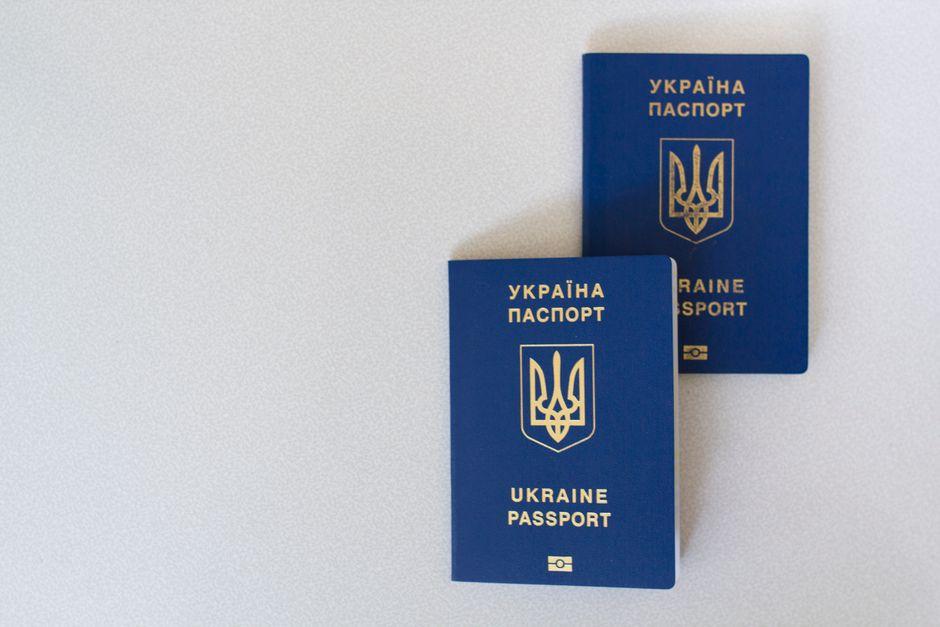
The Untold Strategic Advantages Behind Dominica’s Quiet Passport Revolution
The media hype around passport programs often fixates on flashy headline benefits: visa-free travel, expedited citizenship, or the ability to diversify global mobility. Yet, Dominica’s passport quietly offers a far more strategic calculus that savvy global citizens tend to appreciate only after digging beneath the surface. Unlike more commercialized citizenship-by-investment (CBI) programs, Dominica’s approach balances operational discretion with genuine government vetting and compliance, limiting the risks of regulatory backlash or program suspension-risks that plague higher-profile rivals. In practical terms, this means investors aren’t gambling on the program’s longevity or credibility but tapping into a robust geopolitical asset with longevity firmly baked in. This guarded stability often gets overlooked but serves as a critical hedge, especially for those seeking future-proof solutions amid increasing global scrutiny of CBI schemes.
Moreover, the trade-offs Dominica makes reveal a sophisticated understanding of its niche market rather than mere opportunism. The passport’s comparatively affordable price point-significantly below peers such as Malta or Cyprus-is less about cutting corners and more a strategic invitation aimed at long-term geopolitical integration rather than short-term capital gain. This creates an exclusive kind of leverage for holders: a broader Commonwealth network affiliation combined with highly accessible investment thresholds. Consider this comparative snapshot:
| Feature | Dominica | Malta | Cyprus |
|---|---|---|---|
| Minimum Investment | $100K | €650K+ | €2M+ |
| Visa-Free Travel | 140+ countries | 180+ countries | 170+ countries |
| Program Duration | 4-6 months | 12+ months | 6-8 months |
| Government Vetting Rigor | High | High but evolving | Mixed reputation |
While Dominica doesn’t claim the flashiest passport, it optimally balances cost, processing time, and regulatory integrity-a trifecta increasingly vital as governments worldwide tighten controls on personal and economic mobility. For discerning individuals, this isn’t about “passport shopping” in a superficial sense; it’s a deliberate strategic hedge recognizing the rising value of financially accessible yet credible alternative citizenships within a global landscape fraught with economic, political, and health uncertainties.

Beyond the Hype Evaluating the Real Costs and Benefits of a Caribbean Citizenship
Caribbean citizenship programs are often sold as quick pathways to luxury and freedom, but the reality demands a sharper lens. The Commonwealth of Dominica passport, while imbued with undeniable travel perks including visa-free access to over 140 countries, shouldn’t be mistaken for a magic wand promising effortless global mobility or financial panacea. The real value lies not just in the document but in how it complements your broader personal or business strategy. For instance, Dominica’s comparatively low acquisition cost and streamlined process offer a notable advantage over more saturated and expensive markets like St. Kitts or Malta. However, this affordability comes with subtler trade-offs-such as a less expansive business infrastructure and fewer diplomatic weight advantages-which may temper its utility depending on your global ambitions.
Evaluating the costs versus benefits of Dominica citizenship requires dissecting beyond headline benefits and considering nuanced factors like tax regimes, geopolitical stability, and long-term residency obligations. It’s critical to ask:
- Are you seeking freedom of movement primarily or looking for robust economic integration? Dominica excels in the former but is less transformative for business residency compared to EU passports.
- What is your risk tolerance regarding regulatory shifts? Caribbean CIPs face increasing international scrutiny, making compliance and transparency paramount.
Sometimes, the underestimated charm of Dominica lies in its clean, straightforward process and strong ethical standards-features often overshadowed by flashier citizenship-by-investment programs. This can be a strategic cushion against reputational risks amid evolving global compliance. Below is a concise comparison highlighting key differentiators versus other Caribbean CIPs:
| Feature | Dominica | St. Kitts & Nevis | Antigua & Barbuda |
|---|---|---|---|
| Application Cost | From $100,000 | From $150,000 | From $100,000 |
| Visa-Free Access | 140+ countries | 150+ countries | 150+ countries |
| Residency Requirements | None | None | 5 days/5 years |
| Reputation & Compliance | High standards | Mixed (past AML issues) | Good (recent reforms) |
In essence, Dominica’s citizenship does not universally eclipse alternatives but rather offers a distinct, pragmatic profile better suited for strategic global citizens who prioritize cost efficiency, ethical considerations, and straightforward processes above flash and overt prestige. It challenges the myth that higher price tags or broader visa access always mean better global leverage. If navigated thoughtfully, it can be a quietly powerful asset rather than a hyped shortcut.
When Convenience Meets Complexity A Critical Look at the True Value of Dominica’s Passport
At first glance, the Commonwealth of Dominica passport offers an alluring mix of convenience and global mobility, often positioned as a straightforward gateway to expanded travel horizons and investment opportunities. However, this convenience masks underlying complexities that savvy applicants must weigh carefully. Unlike passports from larger nations, Dominica’s citizenship-by-investment program hinges heavily on economic contributions rather than heritage or residency, which introduces nuanced trade-offs. While it grants visa-free or visa-on-arrival access to over 140 countries-quite competitive for its size-the passport’s true value depends on individual priorities: ease of acquisition versus long-term geopolitical stability and diplomatic influence. Simply put, the quick route to citizenship doesn’t guarantee equal treatment or privileges abroad, especially in tightly regulated markets like the EU or the US.
Furthermore, prospective applicants tend to overlook the evolving regulatory landscape surrounding economic citizenship. Recent international scrutiny has led to stricter due diligence, longer processing times, and higher compliance standards-realities that blunt the promise of immediacy often advertised. These factors introduce a layer of unpredictability that can impact business plans or personal mobility strategies. To navigate this, consider a strategic approach:
- Assess Your Global Mobility Needs: Does your primary objective justify the trade-off between cost and potential limitations in certain jurisdictions?
- Stay Updated on Regulatory Changes: Monitor international policy shifts affecting CBI programs to avoid unexpected obstacles.
- Leverage Dual Citizenship Wisely: Use the Dominica passport as a complementary asset rather than a standalone solution for global access.
| Factor | Dominica Passport | Typical Major Western Passport |
|---|---|---|
| Visa-Free Access | 140+ countries | 180+ countries |
| Acquisition Time | 3-4 months | Years (through naturalization) |
| Global Perception | Emerging, Economically-driven | Established, Politically-backed |
Ultimately, convenience in obtaining a Dominica passport should not be conflated with unqualified global power. Instead, it represents a pragmatic, if sometimes imperfect, tool-best leveraged by those who appreciate the intricate balance between access, legitimacy, and the shifting international climate.
Comparing Global Mobility Options Why Dominica Might Outperform More Popular Alternatives
When comparing global mobility options, the Commonwealth of Dominica passport often flies under the radar against more celebrated alternatives like St. Kitts and Nevis or Malta. Yet, Dominica’s offering is not just a budget-friendly copycat; it delivers distinct strategic advantages that can outperform these well-trodden paths depending on an individual’s priorities. Unlike Malta’s cumbersome and expensive naturalization process or St. Kitts’ higher investment threshold, Dominica provides a relatively fast, cost-effective route to citizenship without stringent residency requirements. This is not to say that Dominica’s passport surpasses all in raw visa access-its visa-free travel list is impressive but not at the absolute top tier. However, when you weigh factors such as affordability, processing speed, and minimal bureaucratic friction, Dominica emerges as a shrewd option, especially for entrepreneurs and freedom-seekers who value efficiency over prestige.
The trade-offs become clearer when you map Dominica’s benefits next to key competitors:
| Passport | Approximate Cost | Visa-Free Access | Residency Requirement | Processing Time |
|---|---|---|---|---|
| Dominica | $100,000+ | ~140 countries | None | 3-4 months |
| St. Kitts and Nevis | $150,000+ | ~155 countries | None | 3-6 months |
| Malta | $1,000,000+ | ~187 countries | 12 months (residency) | 12-24 months |
Dominica’s real standout is its strategic value-for-money equation. For those not chasing the absolute elite visa-network-and are willing to accept slightly fewer visa-free countries-the cost and hassle savings can fund investment or lifestyle improvements elsewhere. This is not to diminish the cachet of higher-cost passports but to emphasize that “more popular” does not always mean “better choice” for everyone. If global mobility is a tool rather than a trophy, Dominica’s approach offers a pragmatic, high-return alternative worthy of reconsideration in any well-rounded portfolio of citizenship options.
Navigating Hidden Restrictions What You Need to Know Before Betting on a Commonwealth Passport
The allure of a Commonwealth of Dominica passport often hinges on its promise of visa-free travel, tax advantages, and political stability. However, these benefits come entangled with less publicized, yet crucial, restrictions that savvy applicants must dissect. First, the assumption that a Dominica passport offers unrestricted access to major global financial hubs like the US, UK, or Schengen Zone without any caveats is an oversimplification. While the passport does grant visa-free or visa-on-arrival access to over 140 countries, several economically significant destinations impose strict conditions or outright exclusions. For example, the United States requires an additional step-either a visa or an ESTA approval-meaning the passport alone doesn’t guarantee seamless entry. This trade-off between breadth and depth of mobility challenges the narrative that all passport freedoms are created equal, underscoring the necessity of a strategic approach rather than blind optimism.
Moreover, regulatory nuances surrounding tax residency and citizenship-by-investment programs demand a discerning eye. Many investors overlook that acquiring a Dominica passport can trigger complex tax residency implications in their home country, potentially complicating their global tax strategy rather than simplifying it. Additionally, evolving international compliance standards have introduced heightened due diligence and anti-money laundering (AML) scrutiny, which can delay processing times and subject applicants to intrusive background investigations. While Dominica’s program remains comparatively streamlined, those betting on a quick, frictionless citizenship must weigh this against heightened global regulatory vigilance. In practical terms, this means that the Dominica passport is not a universal panacea but rather a sophisticated tool-ideal for individuals prioritizing global diversification and strategic flexibility, but less suitable for those expecting immediate, unrestricted privileges without navigating the underlying systemic trade-offs.
| Aspect | Dominica Passport Reality | Common Misconception |
|---|---|---|
| Visa-Free Access | 140+ countries, but major hubs (e.g., US, UK) require extra permits | Unrestricted global mobility |
| Tax Implications | May complicate home country tax residency rules | Simple tax minimization |
| Processing Risks | Increased due diligence, longer vetting | Quick, hassle-free citizenship |
- Smart advice: Use the Dominica passport as part of a broader global mobility and tax strategy, rather than expecting it to solve all cross-border challenges.
- Strategic trade-off: Value the passport’s unique advantages but remain vigilant about its limitations in key jurisdictions.
The Conclusion
In a world where mobility and opportunity often hinge on the passport you hold, the Commonwealth of Dominica quietly offers a compelling secret-a gateway that balances freedom, security, and strategic advantage. While it may not yet command the spotlight among global travel documents, this understated powerhouse opens doors that go beyond borders. For those looking to expand their horizons, diversify their options, and embrace a subtle yet potent form of global citizenship, Dominica’s passport is a move worth considering. Sometimes, the most powerful choices are the ones others overlook.




