
In an increasingly interconnected world, the lines that define national identity are becoming more fluid than ever before. The notion of belonging to just one country, once a straightforward reality, now dances on the edge of transformation. Welcome to the age of multiple citizenships—a phenomenon where individuals transcend traditional borders not just in travel, but in legal status, cultural affiliation, and personal identity. As societies evolve and globalization reshapes human experiences, living between borders is no longer an exception, but a rising norm. This article delves into the complexities and implications of holding multiple citizenships, exploring how this shift redefines what it means to call a place “home.”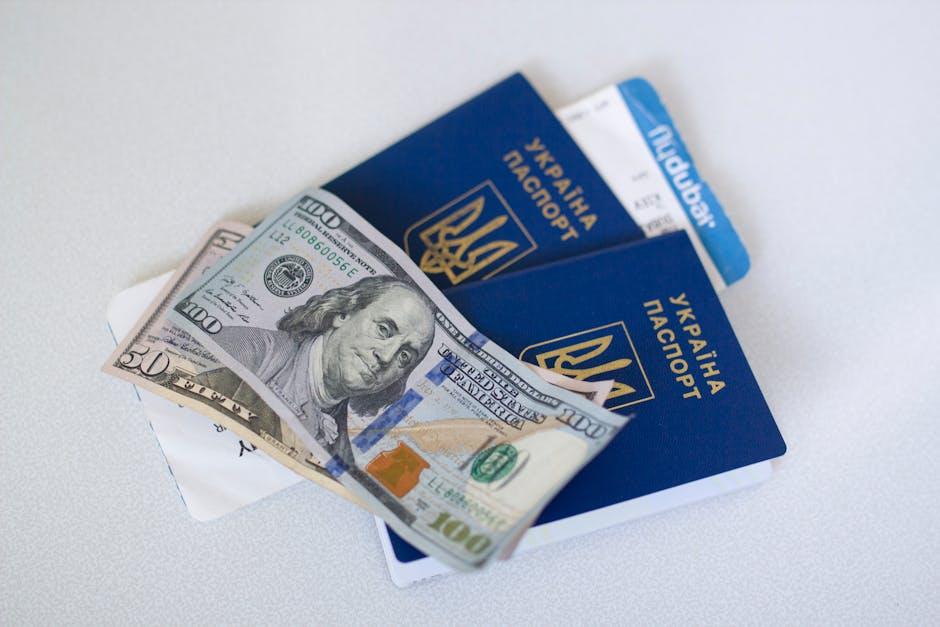
Navigating Identity Beyond Borders
In a world where borders are increasingly fluid, individuals are crafting identities that span continents and cultures. The experience of living with multiple citizenships transcends mere legal status – it is a profound journey of belonging to more than one narrative. This multiplicity fosters a unique perspective, where heritage, language, and societal norms intermingle, allowing people to navigate diverse environments with authentic ease. It’s a melding of passports and personalities, where the lines between ‘here’ and ‘there’ blur to create a rich, interwoven tapestry of self.
However, managing dual or multiple identities comes with its own set of complexities. Beyond the practical benefits lie challenges of allegiance, cultural expectations, and sometimes, legal ambiguities. Balancing hybrid identities requires emotional agility and a deep sense of self-awareness. Here are some common facets experienced by those who live beyond borders:
- Continuous cultural adaptation – navigating different traditions and social norms
- Multiple legal responsibilities – understanding tax obligations, voting rights, and residency rules
- Emotional duality – feeling connected yet sometimes torn between distinct communities
| Aspect | Benefit | Challenge |
|---|---|---|
| Legal Rights | Access to multiple social benefits | Complex compliance with differing laws |
| Cultural Identity | Broadened worldviews and empathy | Sense of fragmentation or identity conflict |
| Travel Freedom | Ease of international mobility | Visa and residency obligations |

The Economic and Social Benefits of Multiple Citizenship
Holding multiple citizenships unlocks a vibrant spectrum of economic opportunities that traditional single citizenships often limit. It grants individuals the freedom to engage seamlessly in diverse markets, enhancing their ability to invest, trade, and work abroad without visa restrictions. This flexibility translates into increased job prospects, access to global financial services, and the ability to leverage multiple legal systems to optimize taxation and business operations. Moreover, for entrepreneurs and freelancers, multiple citizenships act as a strategic asset, opening doors to partnerships and collaborations across continents.
The ripple effects extend beyond economics, positively shaping social landscapes. Multiple citizenship nurtures a richer cultural identity, encouraging a cosmopolitan worldview and fostering inclusion. It enhances social mobility by enabling easier access to overseas education, healthcare, and social benefits, which can elevate quality of life and social well-being. Such citizens often serve as bridges between nations, promoting cross-cultural understanding, diplomacy, and international cooperation through their unique transnational experiences.
- Economic Freedom: Access to multiple job markets and investment zones
- Social Mobility: Enhanced education and healthcare options worldwide
- Cultural Integration: Broader acceptance and global networks
- Legal Advantages: Diverse protections and rights under different jurisdictions
| Benefit | Impact |
|---|---|
| Employment Access | Work eligibility in multiple countries without visas |
| Healthcare Access | Eligibility for public health systems across borders |
| Investment Flexibility | Easier asset diversification and business formation |
| Cultural Exchange | Deeper understanding and collaboration among nations |
Legal Challenges and Policy Considerations
As the tapestry of global identities becomes more intricate, governments and legal systems face unprecedented hurdles. Navigating the labyrinth of multiple citizenships often sparks debate on sovereignty, tax obligations, and military service requirements. Countries grapple with the challenge of harmonizing conflicting laws, as an individual’s rights and duties may shift depending on which passport they use, complicating everything from travel to voting rights. This mosaic of memberships raises profound questions about allegiance and the very definition of nationality in an era where borders are simultaneously rigid and porous.
Policy makers need to evaluate multiple layers of regulation, balancing national security concerns with the benefits of global interconnectedness. Some key considerations include:
- Streamlining visa and residency rules to prevent legal gray areas.
- Establishing clear tax reporting mechanisms to avoid double taxation or evasion.
- Defining consular protections and diplomatic responsibilities for dual citizens.
| Country | Dual Citizenship Policy | Key Restriction |
|---|---|---|
| Canada | Permitted | No political office for dual citizens |
| Japan | Restricted | Must choose a single citizenship by age 22 |
| Brazil | Permitted | Should report all citizenships to government |
Strategies for Managing Dual Allegiances
Living between two nations means more than just holding two passports; it requires a delicate dance of balancing cultural identities, legal responsibilities, and personal values. To navigate this complex terrain effectively, individuals often cultivate clear communication strategies with family and community members, ensuring that each allegiance is respected and honored. Setting personal priorities and understanding when and where each citizenship’s rights and duties apply allows for smoother decision-making. This adaptability not only fosters harmony but also empowers dual citizens to leverage their unique perspectives in cross-cultural exchanges.
Practical tools can assist in managing dual allegiances, from scheduling regular updates on visa and tax obligations to participating actively in civic activities in both countries. Below is a comparative overview highlighting key considerations for balancing dual citizenship responsibilities:
| Aspect | Consideration | Practical Tip |
|---|---|---|
| Legal Duties | Tax filings, military service | Maintain a calendar of deadlines for each country |
| Cultural Engagement | Festivals, language use | Join community centers or cultural groups |
| Political Participation | Voting, advocacy | Register in both countries’ electoral rolls if possible |
| Travel & Residency | Visas, residency permits | Track expiration dates, plan ahead |
Embracing a Global Mindset in a Connected World
In today’s interconnected landscape, the concept of identity transcends geographical boundaries, giving rise to a new generation of global citizens. These individuals navigate the world with a unique blend of cultural fluency, adapting effortlessly to diverse environments. Embracing this expansive worldview encourages not only greater empathy but also a dynamic approach to problem-solving and innovation. This global perspective enriches personal growth and fosters a deeper understanding of global challenges, offering fresh opportunities in career and diplomacy.
Adopting a borderless mindset involves several key traits, including:
- Cultural adaptability: Seamlessly bridging differences to foster collaboration.
- Language proficiency: Unlocks communication across diverse populations.
- Open-mindedness: Welcoming new ideas and practices with curiosity.
- Tech-savviness: Leveraging digital tools to maintain global connections.
| Quality | Benefit |
|---|---|
| Flexibility | Thrives in varying cultural contexts |
| Networking | Builds bridges across continents |
| Curiosity | Drives continual learning |
In Summary
As the world continues to weave itself into an ever more intricate tapestry of cultures, economies, and identities, the rise of multiple citizenships stands as both a symbol and a catalyst of our interconnected age. Living between borders is no longer an anomaly but a burgeoning reality—one that challenges traditional notions of belonging, loyalty, and nationhood. Whether embraced as a passport to opportunity or navigated as a complex negotiation of rights and responsibilities, multiple citizenships invite us to reconsider the very meaning of home in a world without clear-cut boundaries. In this evolving landscape, the lines that separate us may blur, but the stories that define us grow richer, layered, and infinitely more human.




