
In an era where borders blur and global connections deepen, the concept of nationality evolves beyond singular identity. Double nationality, or dual citizenship, opens a gateway to belonging in two worlds simultaneously-offering unique opportunities and complex dilemmas. But what exactly does it mean to hold two passports, carry two flags in your heart, and navigate the legal landscapes of two nations? This article delves into the multifaceted nature of double nationality, exploring its benefits, the challenges it presents, and the intricate legal implications that come with embracing a dual identity in today’s interconnected world.
Exploring the Meaning and Scope of Holding Two Passports
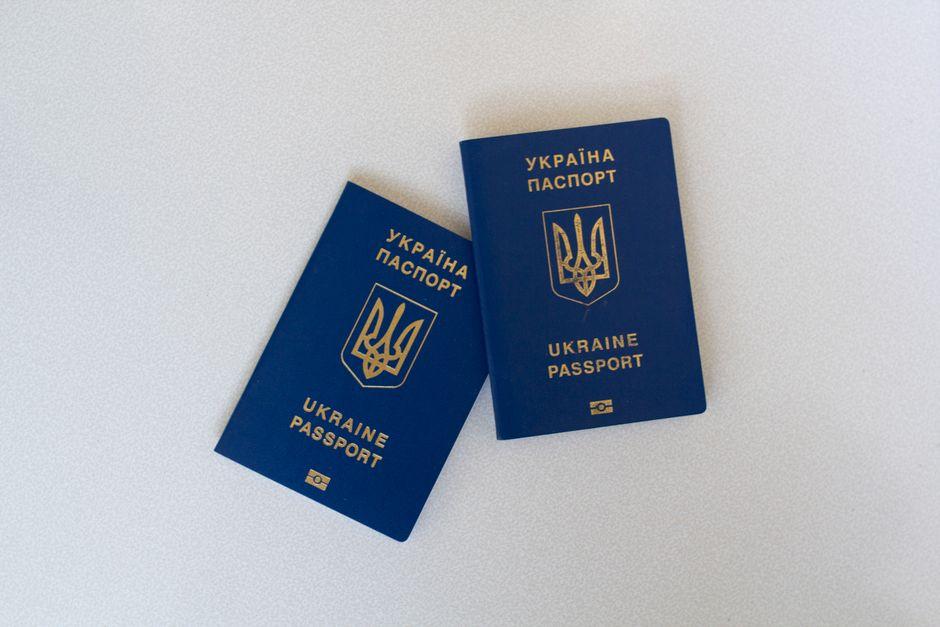
Holding two passports, often referred to as dual citizenship or dual nationality, means that an individual is legally recognized as a citizen by two different countries simultaneously. This status provides the holder with full rights and responsibilities in both nations, such as voting, working, residing, and accessing social services. However, the scope of holding two passports extends beyond mere identification; it represents a legal and cultural bridge that offers unique advantages in travel, business, and personal life. For example, dual nationals can enjoy visa-free travel between their countries of citizenship or benefit from better consular protection abroad. However, some countries restrict dual nationality or require formal paperwork to maintain it, which underscores the importance of understanding each country’s legal stance.
When comparing dual passports to single citizenship, several factors matter most to prospective dual nationals:
- Legal Rights and Obligations: Dual nationals may face conflicting obligations, such as taxation or military service requirements, depending on the laws of each country.
- Travel Flexibility: Having two passports can simplify international travel by reducing visa restrictions and providing alternate entry routes.
- Access to Services: Dual citizens often gain access to health care, education, and social benefits in both countries.
| Aspect | Single Passport | Dual Passports |
|---|---|---|
| Travel Convenience | Subject to one country’s visa rules | Choose between two countries’ travel agreements |
| Tax Liability | Typically taxed by one country | May owe taxes in both nations depending on laws |
| Political Rights | Vote only in one country | Vote and run for office (where permitted) in two countries |
For those considering holding two passports, it is crucial to research both countries’ policies on dual nationality and to consult legal experts when necessary. Balancing the benefits-such as increased mobility and cultural identity-with potential challenges like tax complexities or legal conflicts can help make informed decisions about embracing dual nationality.
The Advantages and Potential Drawbacks of Double Citizenship
Double citizenship offers a variety of advantages that appeal to individuals seeking greater flexibility in their personal, professional, and legal lives. One significant benefit is the ability to live, work, and study freely in two countries without the need for visas or work permits. This opens up broader career opportunities, access to diverse education systems, and the ability to maintain family ties across borders. Additionally, double citizens often enjoy dual social security benefits, healthcare access, and voting rights in both nations, expanding their political engagement and social protection. Financially, some double nationals can benefit from advantageous tax treaties or reduced taxation, although this depends heavily on the countries involved. Furthermore, having multiple passports can facilitate international travel, often reducing restrictions and wait times at borders.
However, potential drawbacks should not be overlooked when considering double citizenship. One common issue is the complexity of legal and tax obligations, as double nationals must navigate the laws of two countries, which can sometimes conflict or impose double taxation despite treaties. Military service requirements could also apply in both nations, leading to compulsory conscription in some cases. From a security perspective, holding dual citizenship might complicate consular protection abroad if the countries have tense diplomatic relations. Additionally, some countries restrict certain government jobs or political offices to single citizens, limiting professional options for dual nationals. Below is a comparison of key advantages and drawbacks:
| Aspect | Advantages | Potential Drawbacks |
|---|---|---|
| Travel | Ease of international travel, reduced visa restrictions | Conflicting national security rules, dual border controls |
| Legal Rights | Right to live, vote, work in two countries | Complex legal obligations, dual taxation |
| Financial | Access to social benefits, diversified banking options | Possible tax complications and reporting requirements |
| Civic Duties | Participation in two democracies | Compulsory military service in both countries |
Navigating Legal Complexities Across Different Countries
When dealing with double nationality, the legal landscape varies significantly from country to country, often leading to complex obligations and rights for dual citizens. Some nations, like the United States and Canada, generally accept dual nationality without onerous restrictions, allowing citizens to maintain ties and privileges in both countries. In contrast, countries such as Japan and China impose strict rules that may require individuals to renounce one nationality upon reaching adulthood. Understanding these nuances is crucial because laws affect areas such as mandatory military service, taxation, voting rights, and diplomatic protections, often imposing conflicting duties or benefits. For instance, a dual citizen might face different tax filing requirements in each country or be subject to military obligations in one but not the other.
To better navigate these legal complexities, consider these key points:
- Consular Assistance: Dual nationals may not always receive consular support from one country when in the other, affecting travel safety and legal protections.
- Legal Conflicts: Issues can arise regarding legal jurisdiction, especially if laws conflict between the two countries on matters like inheritance, marriage, or criminal liability.
- Documentation and Reporting: Each country might require dual citizens to keep separate documents or file disclosures, particularly relating to income and foreign assets.
| Country | Stance on Dual Nationality | Key Legal Implication |
|---|---|---|
| United States | Permits dual nationality | Dual citizens must file taxes on worldwide income |
| Japan | Generally restricts dual nationality | Requires choosing one nationality by age 22 |
| Germany | Restricts dual nationality, except in EU countries | Requires renunciation unless exceptions apply |
Given these variations, it is advisable to consult legal experts knowledgeable in both countries’ laws before acquiring or maintaining dual nationality. Proactively understanding and complying with each country’s requirements can prevent inadvertent legal pitfalls or loss of citizenship status, ensuring individuals fully benefit from their dual nationality without unexpected repercussions.
Choosing Dual Nationality What Factors Should Influence Your Decision
When considering dual nationality, it’s crucial to assess how holding two citizenships aligns with your personal, professional, and legal circumstances. Key factors influencing this decision include your long-term residency plans, career ambitions, and familial connections. For instance, if you work or plan to work internationally, dual nationality can facilitate easier travel, improve job prospects, and simplify tax obligations depending on the countries involved. However, not all nations permit dual citizenship or may impose restrictions, such as mandatory military service or complex tax reporting requirements. Understanding the specific laws and obligations in both countries is essential to avoid unexpected legal challenges. Moreover, cultural ties and emotional attachments can play a significant role-retaining citizenship in your country of origin might provide a vital sense of identity and community.
Practical aspects should also weigh heavily in your decision-making process. Consider the following aspects carefully before opting for dual nationality:
- Legal Recognition: Verify if both countries allow dual citizenship without penalties or loss of rights.
- Tax Implications: Assess potential double taxation or benefit opportunities through bilateral agreements.
- Travel Convenience: Examine visa requirements and border controls for both passports.
- Civic Duties: Understand obligations such as voting, military service, or jury duty in each country.
- Inheritance and Property Rights: Review how dual nationality impacts asset ownership and succession laws.
| Factor | Considerations | Impact |
|---|---|---|
| Legal Constraints | Country-specific dual citizenship policies and restrictions | May prevent or complicate acquiring dual nationality |
| Taxation | Obligations in both countries, possible avoidance treaties | Could lead to double taxation or savings |
| Rights and Responsibilities | Voting, military service, legal protections | Impact on personal freedom and duties |
Clearing Up Common Myths and Offering Practical Advice
Clearing up common myths about double nationality is essential before making decisions that affect your legal status and personal identity. A frequent misconception is that holding two passports means dual nationals must pay taxes in both countries automatically. In reality, tax obligations depend heavily on each country’s laws, with some nations using citizenship as a tax trigger and others relying mainly on residency. Another myth is that dual citizens must serve military duty in both countries, but obligations vary by country and often depend on age, location, and specific treaties. Additionally, some believe dual nationality grants unrestricted rights everywhere; however, certain rights-such as political participation or public service eligibility-might be limited or require renunciation of one citizenship. It’s also important to note that not all countries permit dual nationality, so researching local legislation is critical before pursuing it.
For those considering or navigating double nationality, practical advice centers on understanding legal complexities and planning accordingly. Balancing benefits and challenges includes leveraging expanded travel freedom and work opportunities while being mindful of potential bureaucratic hurdles, like holding multiple passports or navigating conflicting legal obligations. To manage these, experts recommend:
- Maintaining clear records and up-to-date documentation for each citizenship
- Consulting immigration or legal professionals to clarify tax, military, and voting requirements
- Being aware of how dual citizenship affects your status in future immigration or naturalization processes
- Reviewing exit and entry rules when traveling on different passports
Below is a simplified table outlining common considerations for dual nationals:
| Aspect | Common Misconception | Practical Reality |
|---|---|---|
| Tax Obligations | Automatic double taxation | Depends on tax treaties and residency |
| Military Service | Mandatory in both countries | Varies; often age or residency dependent |
| Political Rights | Full rights everywhere | May be limited or require renouncing citizenship |
The Conclusion
Navigating the intricate world of double nationality reveals a landscape rich with opportunity and complexity. While the benefits of dual citizenship-such as expanded travel freedom, cultural connection, and economic prospects-are enticing, they are balanced by legal challenges and responsibilities that demand careful consideration. Understanding the nuances behind acquiring and maintaining multiple national identities is essential in today’s interconnected world. As laws evolve and global mobility grows, staying informed empowers individuals to make thoughtful choices about their national ties, embracing the possibilities while respecting the obligations that come with holding two flags.




