
In an increasingly interconnected world, the allure of passport-for-investment schemes shines brightly as a seemingly swift ticket to global mobility. Promising expedited access to new citizenships and borderless opportunities, these programs tempt investors with the prospect of transcending national limitations overnight. Yet, beneath the glossy surface of instant passports lies a more complex reality-one where legal nuances, geopolitical dynamics, and ethical considerations intertwine, often revealing that such schemes are far from the straightforward shortcut they appear to be. This article unpacks the intricate layers behind passport-for-investment programs, exploring why true global mobility demands more than just a stamped document.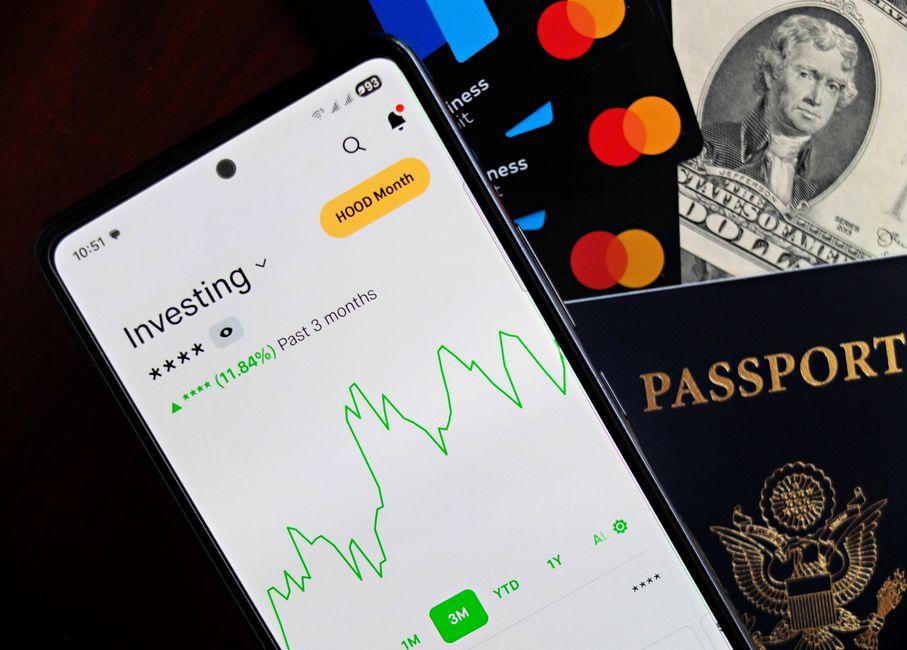
The Illusion of Instant Access: Unpacking the Real Barriers Behind Investment Passports
Investment passports are often marketed as golden tickets to unrestricted global mobility, but this narrative sidesteps the complex realities behind the scenes. The promise of “instant access” glosses over important legal, political, and economic layers that continue to constrain true freedom of movement. Countries may grant citizenship or residency through investment, yet visa requirements, diplomatic relations, and bilateral agreements still dictate the practical ease-or difficulty-of traveling internationally. This discrepancy exposes a fundamental trade-off: while an investment passport might reduce bureaucratic friction in some cases, it rarely eliminates geopolitical gatekeeping. Moreover, the perception of seamless access fails to account for the variability in entry conditions dependent on destination, duration, and purpose of stay.
To navigate this landscape effectively requires a nuanced approach rather than a one-size-fits-all mindset. Investors should differentiate between formal citizenship benefits and the actual mobility privileges associated with their new passports. Key considerations include:
- Visa exemption rankings: High on some indexes, but limited and conditional on specific countries.
- Diplomatic relations: Geopolitical tensions can instantly alter travel freedoms irrespective of passport status.
- Time-to-passport and investment thresholds: Longer waiting periods and higher capital requirements weaken the supposed “instantaneous” nature.
Below is a simplified comparison highlighting these discrepancies:
| Factor | Common Assumption | Reality Check |
|---|---|---|
| Visa-Free Travel | Universal or widespread access | Region-specific and often limited |
| Processing Time | Months or weeks | Can extend to years or face delays |
| Political Immunity | Enhanced diplomatic protection | Limited, context-dependent protection |
Ultimately, embracing investment passports demands realistic expectations and informed strategic choices. It is not an instant solution but a complex instrument embedded within multifaceted global mobility constraints.

Beyond the Price Tag: Why Financial Gateways Don’t Guarantee True Global Freedom
Investment-driven citizenship programs often masquerade as golden tickets to unfettered global mobility, yet the reality is far more complex. While cash injections may streamline some bureaucratic processes, they do not erase geopolitical realities or social-political constraints that fundamentally shape one’s freedom of movement. For instance, holding a second passport from a nominally “strong” country does not automatically grant unregulated access to every desirable destination, nor does it negate visa requirements imposed by reciprocity or diplomatic tensions. The promise of a financial gateway can overshadow the critical distinctions between legal permit and actual ease of mobility, where factors such as diplomatic relations, local assimilation, and even regional laws continue to exert significant influence. In essence, the glossy allure of a purchased passport reduces an intricate, multifaceted issue to a simplistic transaction-a trade-off that prioritizes immediate convenience over sustainable, meaningful global integration.
Moreover, relying solely on financial investment as the cornerstone for global citizenship risks sidelining personal narratives and cultural ties that often underpin authentic mobility. The transactional nature of these schemes inherently caters to a privileged few, potentially fostering exclusivity while ignoring the layered nuances of international residency and belonging. Before betting on investment passports as a workaround, one must evaluate:
- Long-term residency rights: Do these programs grant more than temporarily convenient travel benefits?
- Economic vs. social capital: Can capital investment compensate for the absence of local networks, linguistic proficiency, or cultural fluency?
- Geopolitical volatility: How resilient is the passport’s value when international relations shift?
Such considerations reveal that genuine global freedom is less a commodity to be purchased and more a confluence of personal, political, and economic factors. Investors should approach citizenship-by-investment not as a shortcut, but as one component within a broader strategic mosaic-carefully weighing the trade-offs between immediate financial gains and enduring, substantive mobility advantages.
| Aspect | Investment Passport | Traditional Mobility Pathways |
|---|---|---|
| Ease of Acquisition | Fast, cash-based, but costly | Slower, requires integration and proof of ties |
| Longevity of Benefits | Subject to geopolitical shifts and program changes | Generally more stable, tied to personal history |
| Cultural & Social Integration | Limited or superficial | Higher, fosters genuine belonging |
Navigating Risks and Rewards: The Hidden Costs of Buying Mobility
When evaluating the appeal of passport-for-investment schemes, it is crucial to recognize that mobility, often touted as their primary benefit, comes tethered to a dense web of hidden costs and practical limitations. Many buyers assume that obtaining a second passport instantly unlocks seamless global travel and economic freedom, but this is a gross oversimplification. The legal nuances, variable diplomatic relations, and dynamic visa regimes can sharply curtail the mobility promised upfront. Furthermore, these programs frequently require substantial financial commitments with opaque fee structures that extend beyond mere investment thresholds-such as due diligence, government charges, and mandatory donations-that cumulatively erode the cost-effectiveness of the endeavor.
More than a transactional acquisition, a second passport necessitates a strategic appraisal of trade-offs: the economic outlay versus genuine lifestyle flexibility, the stability of host countries’ governance versus their geopolitical risks, and the potential reputational implications amid rising global scrutiny of “citizenship-by-investment” programs. Consider the following table outlining common misconceptions versus grounded realities:
| Misconception | Reality |
|---|---|
| Instant visa-free access to top-tier countries | Visa-free travel is selective and volatile; geopolitical shifts can lead to sudden restrictions |
| Investment equals guaranteed citizenship | Citizenship approval is subject to rigorous vetting; rejection or delay is common |
| No ongoing obligations after purchase | Many programs impose residency minimums, renewal fees, and tax implications |
- Prioritize transparency: Demand clear breakdowns of all costs and procedural steps before commitment.
- Assess geopolitical fit: Consider how the citizenship aligns not only with desirable travel lanes but also long-term political stability.
- Plan for compliance: Stay informed on residency requirements and international tax regulations to avoid surprises post-investment.
In essence, the “mobility” gained through purchase should be reframed not as a simple asset but as a complex transnational relationship that requires continuous management, vigilance, and informed risk tolerance.
Rethinking Global Residency: Smarter Pathways that Go Beyond Monetary Transactions
True global mobility transcends the transactional nature of passport-for-investment schemes, which often reduce residency and citizenship to mere financial commodities. Such programs might offer expedited access to borders, but they tend to overlook the deeper, qualitative aspects that underpin genuine mobility – cultural integration, legal stability, and long-term socio-economic ties. The obsession with spending thresholds as a shortcut neglects the nuanced realities of visa policies, bilateral agreements, and the evolving geopolitical landscape that no amount of monetary contribution can fully navigate. Instead of viewing residency as a product to be bought, savvy global citizens should prioritize pathways emphasizing durability, reciprocal benefits, and compliance with local socio-economic fabrics.
- Strategic Residency Planning: Opt for programs that reward active participation, such as entrepreneurial investments generating jobs or skills-based contributions.
- Legal and Social Integration: Seek pathways offering clear routes to naturalization through cultural assimilation or community involvement, not just capital injection.
- Geopolitical Foresight: Evaluate how stable and predictable the host country’s policies are, beyond the immediate allure of investment returns.
| Residency Strategy | Advantages | Limitations |
|---|---|---|
| Monetary Investment | Fast processing, clear financial threshold | Superficial ties, risk of policy reversals, limited cultural integration |
| Economic Contribution + Social Integration | Stronger legal footing, community roots, long-term mobility | Longer timelines, more demanding requirements |
| Skill- or Knowledge-Based Residency | Alignment with labor needs, positive reputation, ease of renewal | Highly competitive, may require language/cultural adaptation |
Ultimately, global mobility forged through thoughtful, multi-dimensional residency strategies is far more resilient and meaningful. Recognizing that money alone cannot unlock all doors invites a smarter, more sustainable approach – one grounded in the complexity of international lives, not just international ledgers.
When Convenience Clouds Judgment: Strategic Considerations for Genuine International Movement
In the pursuit of enhanced global mobility, the allure of passport-for-investment schemes often simplifies complex realities into a transactional narrative: invest here, gain unfettered travel there. However, convenience can dangerously obscure critical judgment. The assumption that a second passport equates to genuine freedom of movement discounts the geopolitical nuances and regulatory landscapes that govern real-world mobility. These passports frequently come with limitations disguised as benefits-restricted visa-free access, heightened scrutiny at borders, or ephemeral political legitimacy. Rather than a shortcut, they can become a checkbox exercise that fails to address the core challenges of international mobility, such as cultural integration, long-term residency rights, and meaningful access to local economies or social systems.
Strategic considerations compel us to differentiate between superficial ease and substantive mobility. Instead of focusing solely on the transactional acquisition of a passport, prospective global movers should evaluate:
- Visa Access vs. Residency Rights: Which offers sustainable presence and full civic participation?
- Political Stability: Is the jurisdiction of the new passport stable, or prone to sudden revocations or international blacklisting?
- Cost-Benefit Analysis: Beyond upfront investment, what are ongoing compliance requirements and geopolitical risks?
| Passport Feature | Common Perception | Nuanced Reality |
|---|---|---|
| Visa-Free Travel | Instant global access | Often limited, with conditional or short-term permissions |
| Residency Rights | Implicit and automatic | Frequently separate; passports don’t guarantee residency or work rights |
| Political Stability | Stable and enduring document value | Variable; some schemes exist in politically or economically volatile regions |
Ultimately, genuine international movement demands an integrated strategy that balances convenience with pragmatic, long-term considerations. When evaluating citizenship-by-investment offers, skepticism is not a barrier but a necessary filter against the seductive marketing that overpromises what these passports can truly deliver.
To Wrap It Up
In a world increasingly enamored with quick fixes and shortcuts, passport-for-investment schemes may seem like a tempting ticket to global freedom. Yet, as we’ve explored, true global mobility is far more complex-a tapestry woven from legal, cultural, economic, and personal threads that no single transaction can fully unlock. While these programs offer certain advantages, they are not the passport to seamless integration or authentic belonging. Real mobility demands understanding, adaptability, and often, patience. In the end, it’s not just about crossing borders-it’s about genuinely connecting with the world beyond them.




