
In an increasingly interconnected world, the concept of belonging to more than one country has evolved from a rarity to a dynamic reality for millions. Navigating dual citizenship is not merely a matter of holding two passports; it’s an intricate dance of identity, loyalty, and legal nuance. Balancing the privileges and responsibilities that come with two homelands requires more than administrative know-how—it calls for a thoughtful approach to embracing diverse cultures, legal systems, and personal ties. This article explores how individuals can harmonize their dual status, turning what might seem like a complex juggling act into a seamless journey across borders and belonging.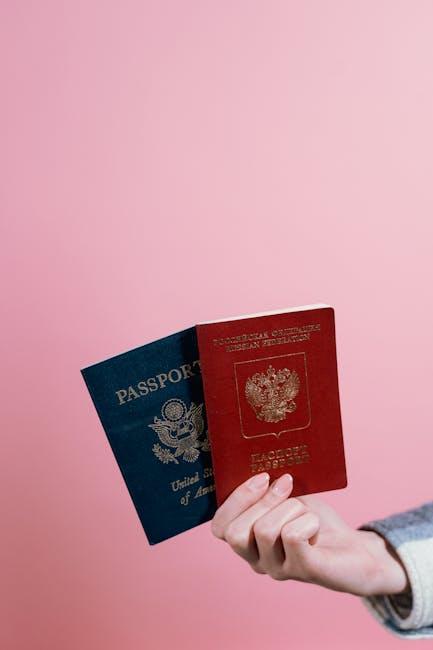
Understanding the Legal Landscape of Dual Citizenship
Dual citizenship is a fascinating legal phenomenon where an individual holds nationality in two countries simultaneously. However, the intricacies of how these rights and responsibilities intersect can vary dramatically based on each nation’s laws. Some countries embrace dual citizenship with open arms, allowing multiple nationalities without restrictions, while others may require renouncing previous allegiances or impose strict regulations on official obligations like taxation and military service.
Understanding the legalities means delving into several key areas, such as:
- Nationality Laws: Defining who qualifies for citizenship and under what conditions dual status is recognized.
- Taxation Policies: Whether dual citizens owe taxes to both countries and how treaties mitigate double taxation.
- Civic Duties: Responsibilities such as voting, conscription, or eligibility for public service roles.
- Passport Regulations: Rules about which passport to use when traveling and how it impacts legal protections abroad.
| Country | Dual Citizenship Policy | Key Legal Consideration |
|---|---|---|
| Canada | Permissive | No need to renounce prior citizenship |
| Japan | Restrictive | Must choose one before age 22 |
| Germany | Conditional | Renounce previous citizenship unless exceptions apply |

Managing Cultural Identity in a Connected World
In today’s global landscape, maintaining a strong sense of self while embracing multiple cultural influences is both a challenge and an opportunity. Dual citizenship offers a unique canvas where identities blend, creating vibrant tapestries of tradition and modernity. It requires intentional choices—deciding which customs to uphold, which languages to cherish, and how to honor the histories that shape you. Those who master this balance often find themselves fluent not just in languages, but also in empathy, adaptability, and intercultural dialogue.
Successful navigation begins with awareness and respect for the nuances of each culture. Consider key strategies:
- Celebrate diversity: Engage in festivals, culinary traditions, and storytelling from both backgrounds.
- Build community: Connect with others sharing similar experiences to foster a shared sense of belonging.
- Practice mindful integration: Weave cultural practices into everyday life without losing authenticity.
| Aspect | Challenge | Tip for Balance |
|---|---|---|
| Language | Maintaining fluency in both | Designate time for each language regularly |
| Traditions | Choosing which to observe | Create new rituals blending both cultures |
| Social Circles | Feeling included in both communities | Engage actively in diverse cultural groups |
Practical Tips for Maintaining Financial and Tax Responsibilities
Successfully managing financial and tax obligations when holding dual citizenship requires not only understanding each country’s individual regulations but also how they interact. Begin by keeping meticulous records of all income sources, investments, and bank accounts from both countries. Utilize specialized accounting software or trusted apps that handle multi-currency transactions effortlessly. Furthermore, establish a routine to review tax treaties and foreign income reporting requirements to avoid double taxation—a common pitfall in these situations. Staying proactive and transparent with tax authorities builds trust and minimizes risks of legal complications.
Creating a clear financial strategy tailored to your dual status is essential. Consider these pointers to maintain balance:
- Consult international tax advisors who specialize in cross-border financial planning.
- Periodically update yourself on changing tax laws in both countries.
- Leverage foreign tax credits and exemptions wherever applicable.
- Plan currency exchanges to minimize losses from fluctuating exchange rates.
- Keep both financial institutions informed of your citizenship status to ensure compliance.
Navigating Travel and Residency Challenges with Ease
Successfully managing travel and residency under dual citizenship requires a proactive approach. Nations often have varying rules regarding visa application processes, customs regulations, and residency requirements. Staying organized by maintaining separate travel documents and understanding the specific rights and responsibilities tied to each passport can significantly reduce complications. Here are key practices to consider:
- Keep track of entry and exit dates to avoid overstays and penalties.
- Regularly update both countries on address and residency status changes.
- Consult with immigration experts for nuanced, country-specific advice.
To illustrate how dual citizens might strategically plan their travel and residency obligations, the table below highlights common scenarios and recommended actions tailored to different citizenship combinations:
| Scenario | Challenge | Recommended Action |
|---|---|---|
| Frequent travel between two countries | Visa confusion, border delays | Carry both passports, declare correctly |
| Working remotely abroad | Tax residency ambiguity | Consult cross-border tax advisor |
| Applying for residency permits | Complicated paperwork, eligibility | Gather documents for both citizenships |
Building Stronger Relationships Across Borders
When living with dual citizenship, fostering meaningful connections across different cultures requires patience and openness. Each relationship becomes an opportunity to blend traditions and perspectives, enriching both personal and professional lives. Engaging in cultural events, learning languages, and sharing stories create bridges that dissolve misunderstandings and foster mutual respect. It’s about embracing differences while finding common ground — a balancing act that takes empathy and genuine curiosity.
- Cultivate cultural awareness through travel and conversations.
- Maintain open communication with family and friends in both countries.
- Participate in community groups that celebrate diverse backgrounds.
- Practice active listening to truly understand varied viewpoints.
| Challenges | Opportunities |
|---|---|
| Language barriers | Learning new languages builds connections |
| Cultural misunderstandings | Deepened empathy and broader perspectives |
| Legal complexities | Access to diverse career and education paths |
Concluding Remarks
Navigating the intricate dance of dual citizenship is a journey of embracing identities, laws, and cultures all at once. It’s about finding harmony in duality—honoring the roots of where we come from while fully engaging with where we stand today. As the world grows ever more interconnected, mastering this balance becomes not just a legal necessity but a personal art. Whether driven by heritage, opportunity, or circumstance, those walking this path continue to redefine what it means to belong—seamlessly bridging two worlds into one unique story.




