
In a world woven ever more tightly by borders both seen and unseen, the concept of identity takes on new and intricate forms. Among these complexities stands the phenomenon of double nationality—a living mosaic where two cultures, legal systems, and senses of belonging intertwine within a single individual. Navigating this dual existence is a nuanced journey, filled with unique opportunities and subtle challenges. This article embarks on an exploration of what it truly means to carry multiple national identities, unraveling the layers of personal, social, and political significance that define the complex world of double nationality.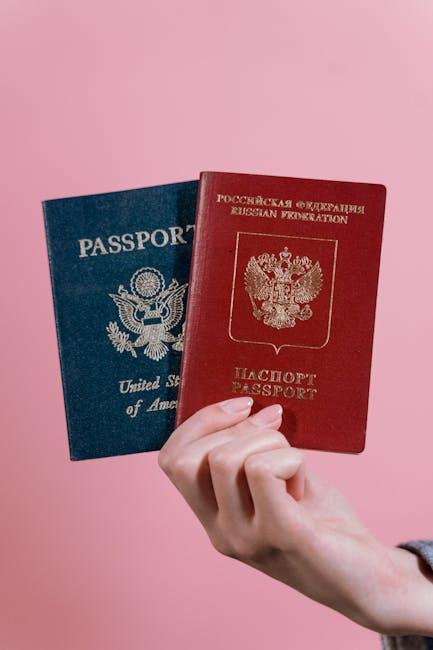
Understanding Double Nationality and Its Legal Implications
Holding citizenship in two countries offers a unique blend of cultural connections and legal rights, but it also introduces a web of complexities that must be thoughtfully navigated. Dual nationality can grant individuals the ability to live, work, and vote in multiple nations, yet it simultaneously imposes obligations like tax filing in more than one jurisdiction or mandatory military service depending on local laws. Understanding these obligations requires deep research and often professional legal advice, as the same right can carry very different responsibilities across borders.
To better illustrate the varied legal landscapes, consider the following general differences in dual nationality laws across select regions:
| Region | Recognition of Dual Nationality | Most Common Legal Challenge |
|---|---|---|
| Europe | Widely accepted | Taxation conflicts |
| Asia | Limited acceptance | Renouncing one citizenship |
| Americas | Varies by country | Military obligations |
Key considerations for anyone pursuing or holding double citizenship include:
- Possible need to declare assets and income in both countries
- Differences in passport validity and travel restrictions
- Impact on inheritance laws and family ties
- Voting rights and political participation in each nation

Cultural Duality and the Balancing Act of Belonging
Living with two cultural identities often feels like walking a tightrope stretched between two worlds, each pulling in different directions. The individual becomes a bridge, embodying traditions, languages, and social norms from both sides, yet sometimes finds themselves caught in the tension of dual expectations. This balancing act fosters a rich, multifaceted perspective, but it can also bring moments of profound questioning about where one truly belongs. The push and pull of cultural narratives shape not just how others perceive a person, but also how they perceive themselves, creating an ongoing inner dialogue of acceptance and adaptation.
Such experiences shape a unique worldview, enriched by the ability to navigate multiple cultural codes with fluency. Often, the journey involves:
- Cultural Fluidity: Adapting customs and celebrations that blend elements from both heritages.
- Language Duality: Switching between languages depending on context, maintaining fluency, and creating personal identity.
- Social Integration: Connecting with multiple communities, fostering empathy and broad understanding.
- Conflict Resolution: Reconciling differing values and expectations in family or societal settings.
The ability to manage these aspects not only empowers individuals but also enriches societies by bridging gaps, fostering diversity, and nurturing inclusivity.
Challenges in Citizenship Rights and Political Participation
Holding dual nationality often places individuals at a crossroads where their political rights and responsibilities become entangled in legal and social complexities. Many countries impose restrictions that can affect voting rights, eligibility to run for office, or participation in certain public duties for dual nationals. This creates a challenging landscape where exercising full citizenship can become a balancing act, requiring awareness of overlapping laws and the potential for conflicting loyalties. Political participation is not just about casting a ballot—it’s about navigating these intricate systems that govern rights differently depending on one’s dual status.
These difficulties are further compounded by societal perceptions and policy inconsistencies. In some regions, dual nationals may face skepticism regarding their allegiance or be excluded from essential civic conversations. Below is a snapshot of common political participation challenges faced by dual nationals:
- Restricted voting rights in one or both countries
- Ineligibility for public office due to citizenship requirements
- Complications in mandatory military service
- Difficulties registering to vote when residing abroad
| Country | Voting Rights | Office Eligibility | Military Duty |
|---|---|---|---|
| Country A | Allowed | Restricted | Mandatory |
| Country B | Restricted | Allowed | Exempted |
| Country C | Allowed | Allowed | Conditional |
Strategies for Managing Taxation and Financial Responsibilities
Balancing taxation obligations across two nations can be a formidable challenge for dual nationals, requiring a proactive and informed approach. It is essential to familiarize yourself with the tax treaties between the countries involved, as these agreements often provide mechanisms to prevent double taxation and outline which country has the primary right to tax specific income types. Consulting with tax professionals who specialize in international taxation can be invaluable, helping to navigate the complexities of differing tax codes, deadlines, and reporting standards.
Effective financial management also involves understanding your rights and responsibilities concerning social security contributions, inheritance laws, and retirement benefits in both countries. One practical strategy is to maintain clear, organized financial records and leverage digital tools for tracking income, expenses, and tax filings across borders. Consider the following best practices:
- Utilize bilateral tax treaties to minimize overlap and identify credits.
- Set up automatic reminders for key tax deadlines in each jurisdiction.
- Maintain currency exchange records to accurately report income received in foreign currency.
- Review estate planning documents to ensure compliance with both countries’ laws.
| Financial Aspect | Considerations | Action Tip |
|---|---|---|
| Income Tax | Dual liability possible depending on residence and income source | Apply for foreign tax credits |
| Social Security | Contributions may be required in both countries | Check bilateral social security agreements |
| Inheritance | Different laws determine estate taxes and beneficiary rights | Consult cross-border estate planners |
Practical Tips for Embracing and Celebrating Dual Identities
Embracing dual identities calls for a heartfelt balance between honoring each culture’s unique values and creating a personal narrative that reflects both. Start by weaving traditions, whether through food, language, or festivities, into your daily life. This might mean celebrating two New Year’s Eve customs or blending culinary favorites from both homelands in the kitchen. Intentional cultural integration can transform what might seem like conflicting loyalties into a rich, unified tapestry that feels genuinely yours. Maintaining connections through communities, cultural events, or language groups helps solidify these bonds and brings a shared sense of belonging and pride.
Practical organization can smooth the journey of living between two worlds. Consider using a simple matrix to help manage important aspects of each nationality — including legal, cultural, and familial commitments — and how they interrelate in your daily life. For instance:
| Aspect | Country A | Country B | Personal Integration |
|---|---|---|---|
| Holidays & Celebrations | Traditional festivals, public holidays | Unique national holidays, family events | Alternate celebrations or merge traditions |
| Language Usage | Primary or heritage language | Second language or dialect | Daily use, bilingual communication |
| Legal & Civic Duties | Voting, taxes, documentation | Residency, rights, obligations | Stay informed and plan accordingly |
- Stay curious: Always explore and learn about both cultures beyond stereotypes.
- Be patient: Identity is an evolving journey, not a fixed destination.
- Find your community: Seek support and shared experiences to gain perspective and strength.
In Summary
In the intricate dance of double nationality, identity becomes a mosaic rather than a mirror—a blend of cultures, laws, and emotions intertwining to form a unique narrative. Navigating this complex world is less about choosing sides and more about embracing the multifaceted self that emerges. As borders blur and global connections deepen, double nationality challenges us to rethink belonging, reminding us that identity is not a single destination but an evolving journey. Whether celebrated or complicated, it invites a richer understanding of who we are in an increasingly interconnected world.




